


Start Your First 72 Hours Right: New Dog Checklist for Adopters
Checklist for adopters to start a new dog right: prioritize decompression, book a vet visit within 48 to 72 hours, and get basic starter gear.

Buy the crate, food, and ID tag before your dog comes home, book a vet visit for within a few days of arrival, set up one quiet room as a decompression space, and start a simple feeding and potty schedule on day one. Expect a slow start. Many dogs eat less, hide, or seem flat for the first few days, and that’s normal, not a red flag.
TL;DR:
- Most dogs will eat less and show signs of stress for the first few days, which is normal and no cause for alarm.
- Bringing a small, easily digestible supply of the dog’s current food, along with a crate, ID tags, and basic supplies, ensures a smoother transition.
- Schedule a vet visit within a few days of arrival, including a physical exam, fecal test, and microchip check, to catch any health issues early.
- Use a simple routine based on the 3-3-3 rule: three days to decompress, three weeks to learn routines, and three months to settle fully.
- Introduce socialization gradually by exposing the dog to new environments, experiences, and people over weeks, observing stress signals, and avoiding overwhelming situations.
Table of Contents
- New Dog Checklist: What to Buy and Prep Before Pickup
- The First 24 to 72 Hours: Vet Visit and What to Expect
- The First Week: The 3-3-3 Rule and a Simple Daily Routine
- Paperwork and Health Records to Collect and Store
- Introducing Your New Dog to Family, Kids, and Other Pets
- What to Teach First and When to Call a Trainer
- Your Printable Shopping Checklist: Day One Through Ongoing Supplies
- Beyond Day One: Planning Ongoing Socialization
- Reading Stress Signals in a Dog Still Settling In
- Choosing the Right Food for Your Dog’s Age and Breed
- Keeping a New Dog’s Mind and Body Busy Without Overdoing It
- Building a Basic Emergency Kit and Contact List
- Why the Checklist Matters More Than the Shopping Trip
- Get Your Dog’s First Week Started Right
- Where This Checklist Comes From
- Sources
- FAQ
New Dog Checklist: What to Buy and Prep Before Pickup
Skip the impulse buys at the pet store and work from a list instead. A step-by-step guide from AAHA recommends functional gear over cute gear, and that advice holds up: a divider-capable crate and a front-clip harness will do more for your first month than a matching bed and bowl set.
Here’s what to have ready before your dog walks through the door:
- A crate with a divider panel, sized so your dog can stand, turn, and lie down comfortably
- The exact food your dog is already eating, even a small bag, to avoid stomach upset
- Stainless steel or ceramic bowls (plastic holds odor and can trigger chin acne in some dogs)
- A collar with an ID tag plus a leash or front-clip harness for better control on walks
- A washable bed, one safe chew toy, poop bags, and an enzymatic cleaner for accidents
- A basic grooming kit: slicker brush, nail clippers or grinder, and dog-safe shampoo
Walk each room and remove or secure loose cords, houseplants that are toxic to dogs, unlocked trash cans, and cleaning chemicals stored low. Baby gates on stairs buy you time while you’re still learning your dog’s habits.
Set up a “safe zone,” one quiet corner or small room, with the crate, a water bowl, and one or two low-stimulation toys. This becomes home base for the first few days.
For the ride home, secure the crate or use a crash-tested harness attached to a seatbelt strap, and bring a towel. Some dogs drool or get carsick on the way.
Pro Tip: Pack a small “go bag” the night before, food, leash, waste bags, and a copy of any paperwork, so pickup day doesn’t turn into a scramble.
The First 24 to 72 Hours: Vet Visit and What to Expect
Schedule your dog’s first vet appointment within a few days of arrival, and bring whatever medical history the shelter, rescue, or breeder gave you. If you can collect a fresh stool sample the morning of the appointment, bring that too. Many shelter-adoption programs rely on this early visit to flag issues before they become bigger problems, and some breeders tie health guarantees to a vet exam within a set window.
A solid first vet visit covers:
- Weight and a full physical exam
- Fecal test for parasites
- Review of vaccine history and next-due dates
- Flea, tick, and heartworm prevention plan
- Microchip scan to confirm it’s active and registered
- A conversation about spay or neuter timing if it hasn’t happened yet
Expect your dog to eat less, sleep more, or avoid eye contact for a day or two. That’s decompression, not illness. Try warming food slightly or hand-feeding a few pieces to encourage eating, but call your vet if a dog refuses all food for more than 24 hours or shows vomiting, diarrhea, or lethargy beyond typical fatigue.
Confirm the microchip number is written down somewhere besides the chip itself, a phone note or the adoption folder works fine.
The First Week: The 3-3-3 Rule and a Simple Daily Routine
The 3-3-3 rule gives you a realistic timeline: 3 days to decompress, 3 weeks to start learning the household routine, and 3 months to feel fully settled. Knowing this upfront stops owners from panicking when a dog is still cautious in week two.
A sample first-week day might look like this:
- Morning potty break within minutes of waking, followed by breakfast
- Short 5 to 10 minute training or play session mid-morning
- Nap time, dogs adjusting to a new home sleep more than usual
- Afternoon potty break and a second short training session
- Dinner at a consistent time, followed by a calm evening walk
- Final potty break right before bed, same spot every night
Crate training works best introduced slowly. Feed meals in the crate, keep early sessions short, and never use it as punishment for a mistake. A crate should feel like a den, not a jail cell.
For housetraining, pick one door and one outdoor spot and use them every time. Praise and a small treat within seconds of your dog going in the right place build the association fast. If there’s an accident, clean it with an enzymatic cleaner and move on. Scolding after the fact teaches nothing except that you’re unpredictable.

Pro Tip: Tie potty breaks to fixed events, right after meals, naps, and play, rather than watching the clock. Dogs learn patterns faster than schedules.
Paperwork and Health Records to Collect and Store
Before the excitement of adoption day fades, gather every document tied to your dog’s health and identity. You’ll need these for boarding, travel, emergency vet visits, and city licensing.
Collect and keep:
- Vaccine records with dates
- Microchip number and registration confirmation (update contact info immediately, since an unregistered microchip can’t reunite a lost dog with its owner)
- The adoption contract or bill of sale
- Spay or neuter certificate, if applicable
- City or county dog license
Keep physical copies in one folder, and snap photos of everything to store in your phone or a dedicated pet record app. Losing the original vaccine sheet shouldn’t mean starting over at the vet’s office.
Ask your vet for a vaccination timeline so you know when your dog is fully protected and safe for dog parks or group socialization. Until then, stick to controlled, low-risk environments.
Consider pet insurance or a dedicated emergency savings fund early. Unexpected vet bills are one of the most common reasons owners get caught off guard in year one.
Introducing Your New Dog to Family, Kids, and Other Pets
Keep the guest list short for the first week or two. A parade of visitors excited to meet the new dog adds pressure your dog doesn’t need yet.
- Introduce other dogs on neutral ground, a park or sidewalk, not your living room, using loose leashes and short, positive sessions
- Feed dogs in separate areas to avoid resource guarding early on
- For cats, use scent swapping and visual barriers like baby gates or a crate before any face-to-face meeting, and always give the cat an escape route
- Teach kids to approach slowly, avoid grabbing or hugging, and never leave young children unsupervised with a new dog, even one that seems friendly
Slow introductions now prevent the kind of fear-based reactions that are much harder to undo later.
What to Teach First and When to Call a Trainer
Keep training sessions to 5 or 10 minutes, reward-based, and frequent rather than long and infrequent. Early priorities matter more than volume.
- Name recognition, so your dog learns to check in with you
- A reliable “sit” as a default calm behavior
- Basic recall in low-distraction settings
- Comfort settling quietly in the crate
Skip punishment-based methods entirely. If you need outside help, look for trainers certified through CCPDT, PPG, or IAABC, since dog training itself isn’t a regulated profession and credentials are the clearest signal of real education. A first consult with a certified trainer or behaviorist usually starts with questions about your dog’s history and a home assessment, not a demand for immediate obedience.
A simple two-week starter plan: days 1 to 3, focus only on name and calm crate time. Days 4 to 7, add sit and short leash walks. Week two, layer in recall in the backyard or a quiet hallway.
Your Printable Shopping Checklist: Day One Through Ongoing Supplies
Organizing supplies by timing keeps shopping trips from turning into guesswork. Cross-checked lists from sources like AKC and Dogster converge on roughly the same core 20 to 25 items, which is a useful gut check if your own list feels too long or too short.
Day-one essentials: crate with divider, food and bowls, collar and ID tag, leash or harness, bed, one chew toy, waste bags, enzymatic cleaner.
First-week extras: grooming kit, a second toy for variety, training treats, and a calming aid for car rides or the first vet visit. A product like the Learning Aid Essential Oil Spray can take the edge off a stressful first drive home.
Ongoing supplies: food refills, more chews, a nail grinder, and replacement waste bags.
For training treats, small, soft, and easy to chew fast matters more than flashy packaging. All-Natural Beef Sausage Dog Treats work well broken into pea-sized pieces for name-recognition and housetraining rewards.
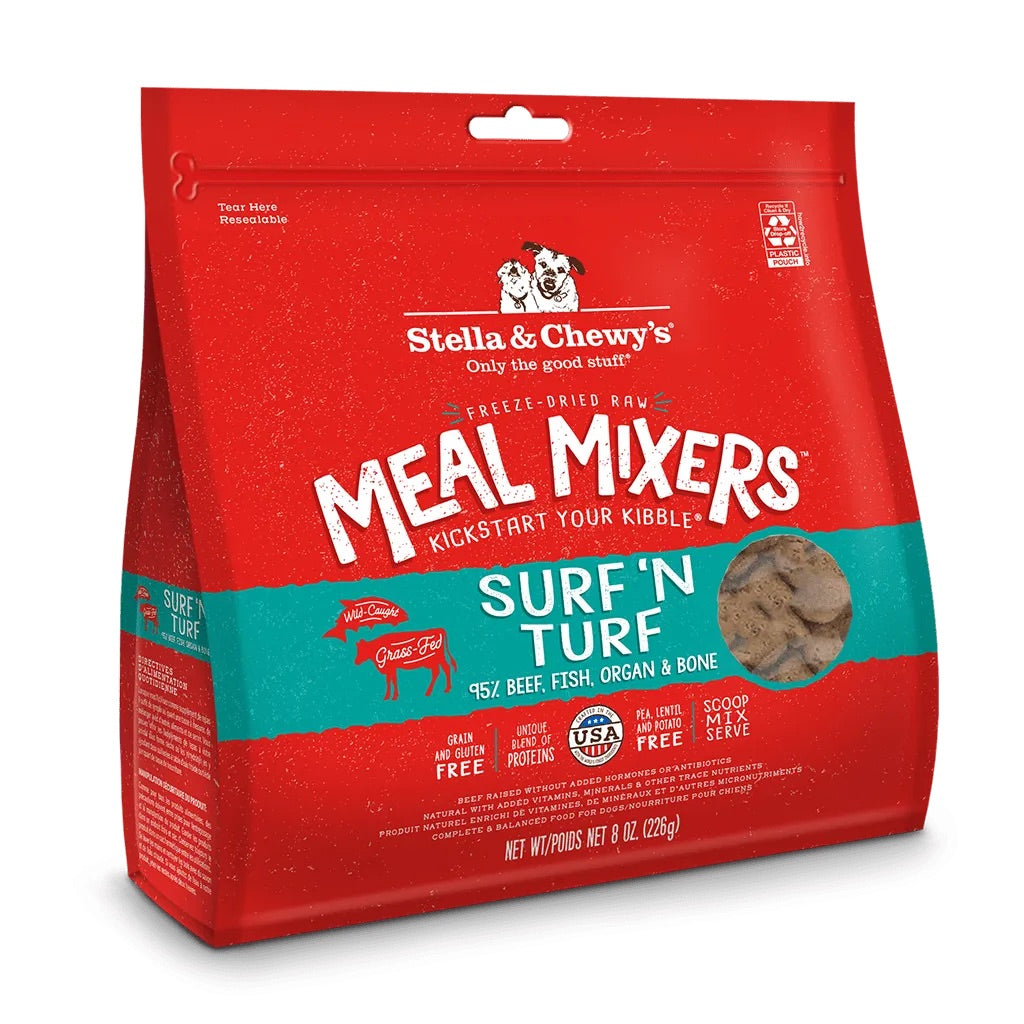
If your dog is picky or stressed and skipping meals, a food topper can help. Stella & Chewy’s Freeze Dried Meal Mixers added to regular kibble often tempts a reluctant eater without a full diet switch.
For leash walks, a front-clip design like the Kaytee Comfort Harness reduces pulling better than a back-clip collar setup, especially with a dog still learning leash manners.
Buy the food your dog already eats first, then transition to anything new gradually over 7 to 10 days to avoid digestive upset.
Beyond Day One: Planning Ongoing Socialization
Introducing your dog to one family member or one calm dog isn’t socialization, it’s a single data point. Real socialization is a planned series of low-pressure exposures spread over weeks, not a checklist item you finish in the first 72 hours.
Once your dog is medically cleared for group settings, start scheduling short, varied experiences: a quiet walk past a school at pickup time, a slow loop through a hardware store that allows dogs, five minutes near (not inside) a busy dog park to watch from a distance. Space these out, two or three per week is plenty at first, and end each session before your dog looks tired or overwhelmed, not after.
Keep a simple log of what your dog handled well and what caused stress. A dog that froze at a skateboard sound needs more exposure to rolling wheels at a distance, not a trip to a skate park next week. Progress in socialization looks like slow, boring repetition, not big dramatic outings.
For puppies still in the primary socialization window, veterinarians generally support supervised exposure to vaccinated dogs and controlled environments even before the full vaccine series finishes, since the behavioral cost of under-socializing often outweighs the risk in low-exposure settings. Ask your vet directly what they recommend for your dog’s specific vaccine timeline.
Reading Stress Signals in a Dog Still Settling In
A dog that’s stressed rarely growls or barks first. It usually shows subtler signs: a tucked tail, ears pinned back, panting when it’s not hot, pacing, excessive licking of its own lips or nose, or refusing treats it would normally grab instantly.
Watch for these patterns during the first weeks:
- Hiding in the crate or under furniture for long stretches, especially when guests arrive
- Whale eye, where the whites of the eyes show while the head stays turned away
- Shaking off as if wet, even when dry, right after a tense interaction
- Sudden stillness or freezing instead of moving away from something scary
When you spot these signs, the fix is usually simple: create more distance from whatever’s causing the stress, and give your dog an easy out. Don’t force interaction to “get it over with.” A dog cornered into meeting a stranger it’s avoiding learns that hiding doesn’t work, which can escalate future reactions instead of calming them.
If stress signs persist for weeks with no improvement, or escalate into growling, snapping, or refusing to eat at all, that’s the point to loop in a certified trainer or veterinary behaviorist rather than waiting it out.
Choosing the Right Food for Your Dog’s Age and Breed
Puppies, adult dogs, and seniors have different caloric and nutrient needs, and breed size changes the math further. A large-breed puppy fed a standard puppy formula can grow too fast, which stresses developing joints, so look for food labeled specifically for large-breed puppies if your dog is projected to top 50 pounds as an adult.
Small and toy breeds burn through energy faster relative to their size and often need calorie-dense food in smaller kibble pieces they can actually chew comfortably. Adult dogs generally do well on a maintenance formula matched to activity level, while senior dogs often benefit from lower-calorie recipes with joint-support ingredients like glucosamine.
Whatever life stage, resist switching foods in the first week just because a dog seems uninterested in eating. Stress suppresses appetite far more often than the food itself is the problem. If your vet clears the current food and appetite doesn’t improve after several days, that’s when a topper or a different recipe becomes worth trying rather than a first-day reaction.
Keeping a New Dog’s Mind and Body Busy Without Overdoing It
A dog decompressing from a major life change still needs stimulation, just not the intense kind. Skip the hour-long dog park trip and the exhausting fetch marathon in week one. Instead, offer short bursts of low-key engagement spread across the day.
A stuffed food toy during downtime, a five-minute sniff walk around the block, or a snuffle mat at mealtime all work the brain without overloading a nervous system that’s already adjusting to new sounds, smells, and people. Mental work tires a dog out faster than physical exercise does, and it’s gentler on a body that might still be sore from a shelter stay or a long car ride.
Physical activity should stay light and predictable for the first week or two: short leash walks, a little backyard time, nothing that spikes adrenaline. As your dog settles and starts showing more confidence and energy, gradually add longer walks, more structured play, and eventually higher-energy activities matched to breed and age.
Building a Basic Emergency Kit and Contact List
Every new dog owner needs a small first aid kit and a written list of who to call before an emergency happens, not during one. A basic kit should include gauze, adhesive tape, a digital thermometer, tweezers for splinter or tick removal, hydrogen peroxide (only if your vet confirms it’s safe to induce vomiting in your specific situation), and a muzzle, since even friendly dogs can bite when they’re in pain.
Post or save a contact list that includes your regular vet, the nearest 24-hour emergency animal hospital, and the ASPCA Animal Poison Control Center number. Include your dog’s microchip number and weight on that same list, since emergency staff often ask for weight to calculate medication doses quickly.
Keep the kit somewhere accessible, not buried in a closet, and check it every few months for expired items. A first aid kit you can’t find fast isn’t much better than not having one.
Why the Checklist Matters More Than the Shopping Trip
Most new-dog advice online reads like a packing list for a vacation: buy this, buy that, done. That framing misses the actual work. The supplies matter, but they’re the easy part. What actually determines whether your first month goes smoothly is whether you treat the early days as relationship-building rather than a training bootcamp.
New-adopter discounts and care guides exist for the same reason this checklist does: the first weeks are harder than most people expect, and good information changes outcomes.
— Timothy
Get Your Dog’s First Week Started Right
Some retailers skip the guessing game on gear by offering products vetted for this stage: single-ingredient treats for training, gentle food options for a stressed appetite, and gear built for control without discomfort. This can be an advantage over piecing together a shopping cart from many different big-box aisles.
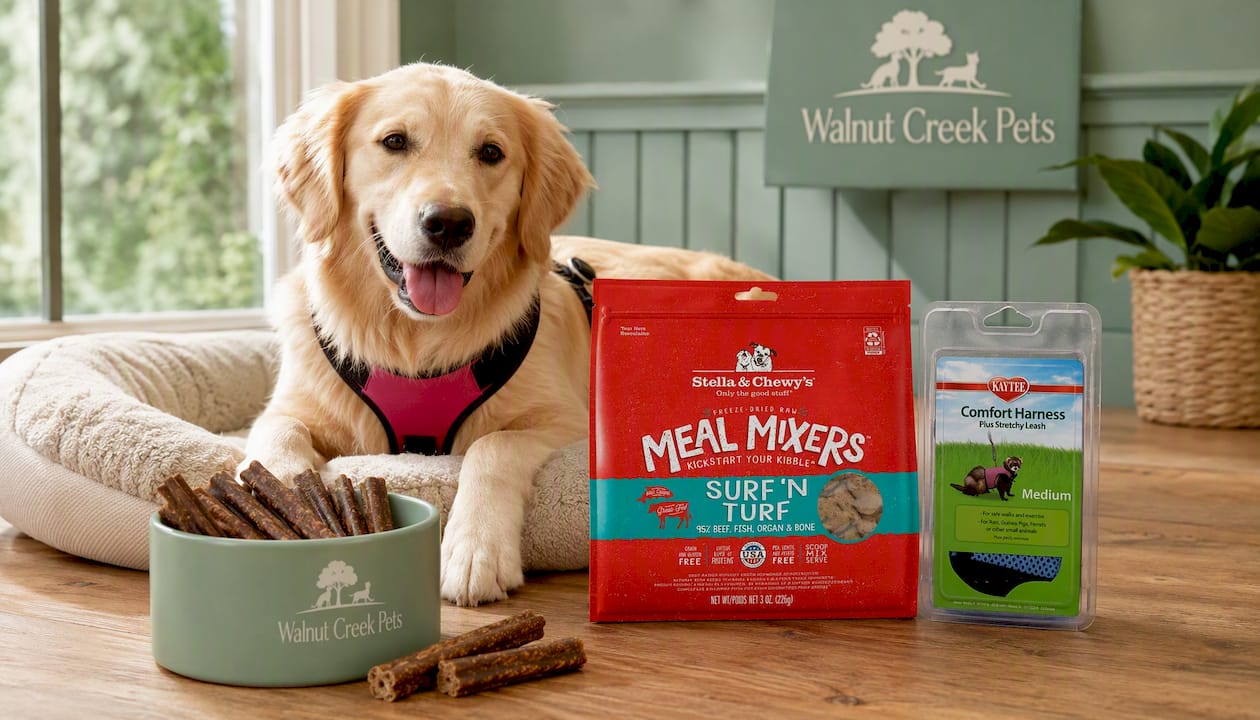
Start with a simple trio that covers the first week’s biggest needs. The Beef Sausage Dog Treats handle name-recognition and housetraining rewards without a long ingredient list to worry about. If appetite is shaky those first few days, the Freeze Dried Meal Mixers turn plain kibble into something worth eating. And for walks while your dog is still learning leash manners, the Kaytee Comfort Harness gives you front-clip control without fighting your dog’s neck.
Browse the full starter selection and build your own first-week bundle today.
Where This Checklist Comes From
This guide draws on vet-guided timelines from AAHA, essentials lists from PetMD and AKC, practical supply comparisons from Dogster, and clinical detail from a partner vet’s first-visit guide.
Sources
- New dog checklist: Your step-by-step guide to a successful start - AAHA
- New Puppy Checklist: Essentials for Your New Pup - PetMD
- New Puppy Checklist: Gear You’ll Need for Your New Dog - AKC
- New Puppy Checklist: 23 Vet-Approved Supplies — Dogster
FAQ
What is the 3-3-3 rule for new dogs?
The 3-3-3 rule means roughly 3 days to decompress from the move, 3 weeks to start learning household routines, and 3 months to feel fully settled and show their true personality.
What should I include on my first-time dog checklist?
At minimum: a divider-capable crate, food and bowls, collar with ID tag, leash or front-clip harness, bed, chew toys, waste bags, enzymatic cleaner, and a scheduled vet visit within a few days of arrival.
What is the 7-7-7 rule for dogs?
The 7-7-7 rule is a less standardized variation some trainers use, generally suggesting exposure to 7 new people, 7 new environments, and 7 new experiences in the first weeks. Unlike the 3-3-3 rule, it isn’t widely backed by veterinary organizations, so treat it as a loose socialization guideline rather than a strict target.
How long does it take a dog to adjust to a new owner?
Most dogs need about 3 months to feel fully at home, following the same decompression timeline as the 3-3-3 rule, though confident dogs may settle faster and anxious or previously neglected dogs may need longer.


