


Pumpkin for Dogs: 4 Vet Recommended Doses by Dog Size
Veterinarian advice on feeding plain canned pumpkin safely. Find doses by dog size, simple prep rules, and when to call your veterinarian.

Plain cooked pumpkin or 100% canned pumpkin is safe for most dogs and often works as a first-aid option for mild diarrhea or constipation. The catch is in the word “plain.” Pumpkin pie filling, spiced mixes, and anything with added sugar or xylitol are off the table entirely. Start small, scale the amount to your dog’s weight, and call your vet if symptoms stick around longer than a day or two.
TL;DR:
- Only plain canned pumpkin without added spices, sugar, or artificial sweeteners should be given to dogs, with the amount scaled by weight.
- Start with small servings for short-term digestive issues and increase gradually while ensuring plenty of water to prevent constipation.
- Raw pumpkin and whole seeds pose choking or digestion risks, so cook or grind them before feeding, and always remove skin and stringy pulp.
- Pumpkin’s benefits rely on soluble fiber and nutrients like vitamins A and E, which support skin, eye health, immune function, and gut bacteria.
- Pumpkin is a temporary remedy for mild, short-term digestive upset and requires veterinary attention if symptoms like vomiting or blood occur.
Table of Contents
- Why Vets Recommend Pumpkin for Dog Digestive Health
- How Much Pumpkin to Give Your Dog and How to Start
- How to Prepare Pumpkin Safely (and What to Avoid)
- When Pumpkin Isn’t Enough: Warning Signs and Vet Care
- Plain Cooked Pumpkin vs. Pumpkin Pie Filling: Why the Difference Matters
- Walnut Creek Pet’s Take on Pumpkin, Treats, and Trust
- Find Vet-Safe Pumpkin Treats and Food at Walnutcreekpet
- Sources
Why Vets Recommend Pumpkin for Dog Digestive Health
Pumpkin’s real value comes down to one ingredient: soluble fiber. It absorbs excess water in the gut, which firms up loose stool, but it also encourages movement through the intestines, which is exactly what a constipated dog needs. That dual action is why PetMD lists it as one of the few home remedies that works both directions.
Beyond fiber, plain pumpkin carries a nutrient profile that’s genuinely useful for everyday health, not just emergency gut trouble. It contains vitamin A, vitamin C, vitamin E, and carotenoids like alpha and beta-carotene, along with potassium and iron, according to PetMD. Those nutrients support:
- Coat and skin condition, thanks to vitamin E and carotenoids
- Eye health, largely from vitamin A
- Immune function, supported by the antioxidant load and prebiotic fiber
- Gut bacteria balance, since the fiber acts as food for beneficial microbes
Combine that with its low calorie count, and you get a topper that adds bulk and nutrients to a meal without piling on weight. A dog on a weight management plan can get a genuine texture and flavor upgrade from a spoonful of pumpkin without blowing through a daily calorie budget.
Pro Tip: If your dog is a picky eater who avoids typical vet-approved fiber supplements like psyllium, plain pumpkin often gets accepted because it smells and tastes like food, not medicine.
How Much Pumpkin to Give Your Dog and How to Start
Dosing pumpkin isn’t complicated, but it does need to scale to your dog’s size. Veterinarians commonly recommend a small amount of plain pumpkin scaled to your dog’s size, starting with a low amount, starting at the low end of that range.
Here’s how that breaks down in practice:
- Toy and small breeds (under 15 lbs): Start with about a small amount mixed into food.
- Medium breeds (30 to 50 lbs): Aim for roughly a modest amount, adjusted up if stool doesn’t firm within a day or two.
- Large breeds (60 to 90 lbs): Start with an amount around one tablespoon, which is often appropriate.
- Giant breeds (over 90 lbs): You can feed a bit more than a tablespoon, but more is not necessarily better.
Introduce it gradually rather than dumping a full serving in on day one. Mix a small amount into your dog’s regular food for two or three days, watching stool consistency before increasing toward the full recommended amount. If you’re using pumpkin to fix constipation rather than diarrhea, make sure your dog also has extra water available. Fiber without adequate hydration can actually make constipation worse instead of better.
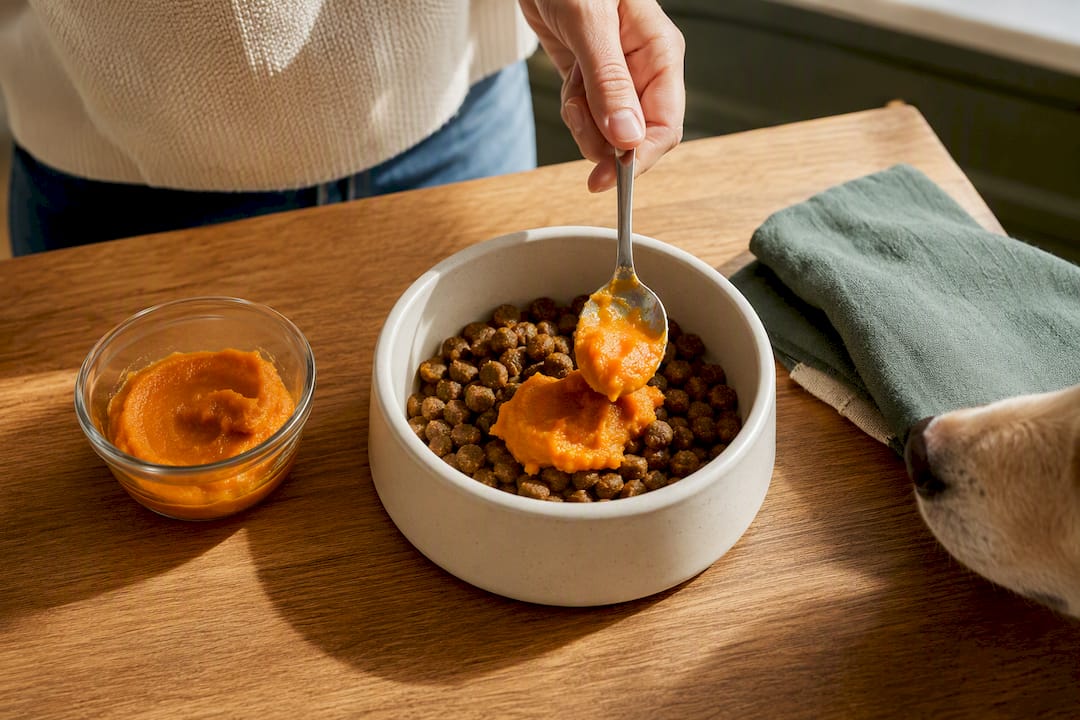
You can serve it several ways: stirred into kibble as a topper, spoon-fed directly, or frozen into a lickable treat for hot afternoons. All three work. What matters more than the delivery method is sticking to plain, unseasoned pumpkin and resisting the urge to double the serving because “a little worked, so more should work better.”
How to Prepare Pumpkin Safely (and What to Avoid)
The easiest and most consistent option is 100% plain canned pumpkin, not the pie mix that sits right next to it on the shelf. Canned pumpkin is already cooked, puréed, and free of skin or seeds, which removes most of the prep work and guesswork.
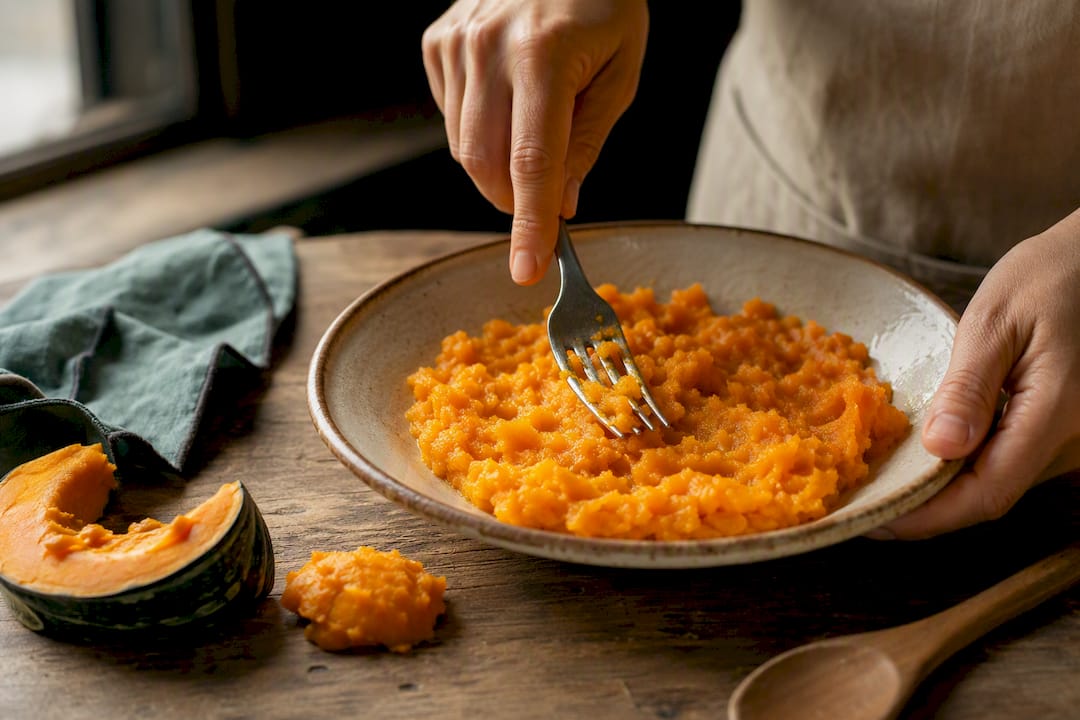
If you’re using fresh pumpkin instead, cooking it first makes a real difference. Cooked pumpkin is easier for dogs to digest than raw, and raw chunks carry a higher risk of choking or intestinal blockage. Roast or steam the flesh until soft, then purée it before serving. Always strip away the skin, stem, and any stringy pulp first.
Seeds deserve their own note. They’re nutritious in small amounts, but whole seeds present a choking and obstruction risk, particularly in small dogs. The safer approach is to roast them and grind them into a coarse powder before adding a small amount to food, rather than handing them over whole.
What never belongs in your dog’s bowl:
- Pumpkin pie filling or any pre-spiced pumpkin product
- Nutmeg, cinnamon, or other baking spices, which can be genuinely harmful in dogs
- Added sugar, syrup, or anything labeled “sweetened”
- Products containing xylitol, a sweetener that’s toxic to dogs even in small amounts
- Large raw chunks, oils, butter, or seasoned mixes of any kind
Reading the label on canned pumpkin before buying takes ten seconds and prevents an avoidable trip to the emergency vet.
When Pumpkin Isn’t Enough: Warning Signs and Vet Care
Pumpkin is a reasonable first response to a single day of soft stool or mild straining, not a treatment plan. AKC notes that pumpkin works well for transient digestive upset but isn’t a substitute for veterinary care once symptoms turn serious.
Call your vet instead of reaching for another spoonful of pumpkin if you see:
- Vomiting that continues beyond a single episode
- Blood in the stool, or stool that’s black and tarry
- Fever, noticeable lethargy, or refusal to eat
- Signs of dehydration, like dry gums or skin that doesn’t spring back when gently pinched
- Diarrhea in a puppy, which dehydrates far faster than it does in an adult dog
Pumpkin can’t diagnose or treat parasites, bacterial infections, or organ disease, all of which cause symptoms that look identical to routine digestive upset in the first 24 hours. If you suspect your dog has eaten something toxic, contact the Pet Poison Helpline or ASPCA Animal Poison Control right away rather than waiting to see if home remedies help.
Plain Cooked Pumpkin vs. Pumpkin Pie Filling: Why the Difference Matters
The confusion between plain pumpkin and pumpkin pie filling is probably the single most common mistake dog owners make with this vegetable, and it’s an easy one to fall into since both products sit on the same grocery shelf in nearly identical cans.
Plain canned pumpkin contains exactly one ingredient: pumpkin. That’s what makes it safe and nutritious for dogs, whether you’re using it to firm up loose stool or just add fiber to a regular meal. Pumpkin pie filling is a different product entirely. It’s pre-sweetened, often spiced with nutmeg or cinnamon, and occasionally formulated with sugar substitutes.
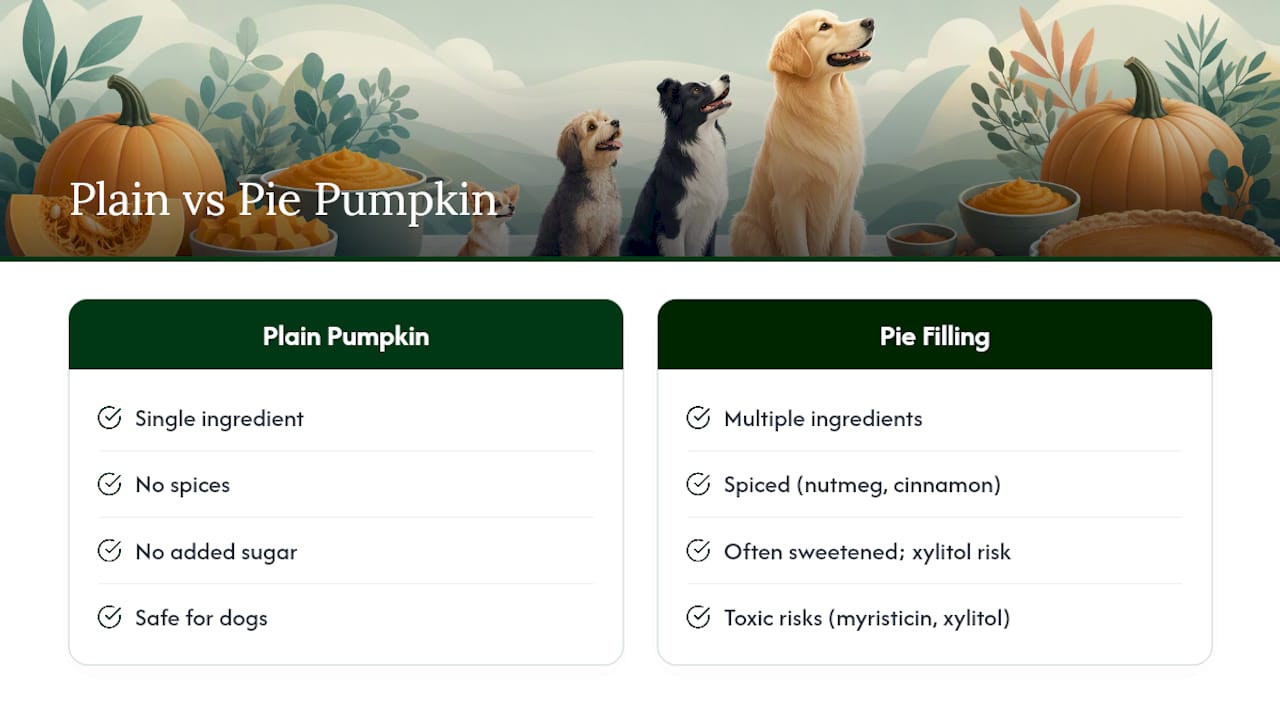
Nutmeg contains a compound called myristicin that can cause disorientation, increased heart rate, and in larger amounts, seizures in dogs. Xylitol, sometimes used in “sugar-free” baked goods and occasionally cross-contaminating pie-adjacent products, causes a dangerous insulin spike that can lead to a fatal drop in blood sugar. Neither belongs anywhere near your dog’s bowl.
The fix is simple: flip the can over before you buy it. If the ingredient list has more than one item, or if the word “pie” appears anywhere on the label, put it back. Canned pumpkin labeled “100% pure pumpkin” or “pumpkin puree” is the version you want, and it’s usually sold in the baking aisle right next to the mislabeled trap.
Walnut Creek Pet’s Take on Pumpkin, Treats, and Trust
Plain pumpkin fits naturally into how Walnutcreekpet thinks about feeding dogs generally: fewer ingredients, less guesswork, and no hidden sugar or additives sneaking into the bowl. That philosophy shows up directly in products like the Pumpkin Chew 8 Pack and the Pumpkin & Honey Chew Sticks, both built around the same plain-pumpkin logic this article just walked through, minus the prep work.
If you’re stocking up on safe treats beyond pumpkin, single-ingredient options like Turkey Chips follow the same no-additive standard.
— Timothy
Find Vet-Safe Pumpkin Treats and Food at Walnutcreekpet
Reading ingredient labels shouldn’t feel like a second job every time you want to treat your dog. Walnutcreekpet built its catalog around that exact frustration: single-ingredient, organic treats and food where you don’t have to squint at fine print to check for hidden sugar, spices, or xylitol.
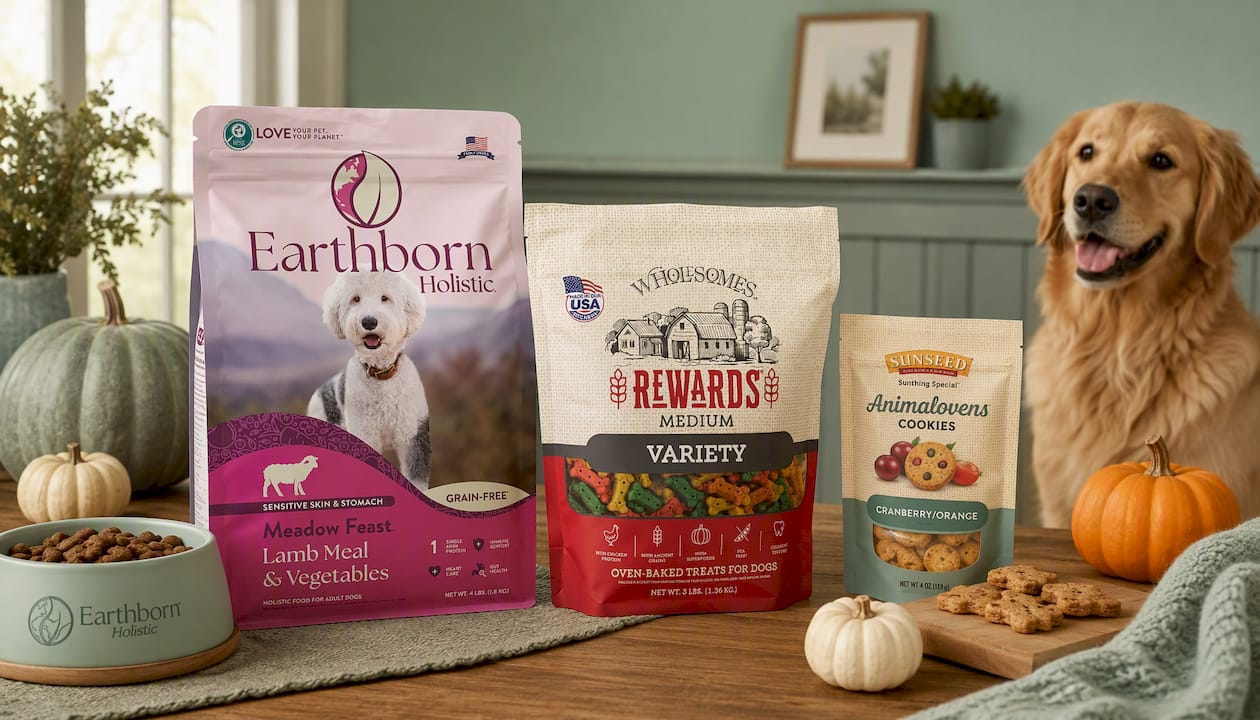
If pumpkin has earned a permanent spot in your dog’s routine, pair it with a complete diet that doesn’t undo the good it’s doing. The Earthborn Grain Free Meadow Feast Dry Dog Food works as a full daily meal, with pumpkin serving its proper role as a topper or occasional digestive aid rather than a meal replacement. For treat rotation, the Wholesomes Adult Variety Medium Dog Treats and the Sunseed Animalovens Cranberry/Orange Cookies give you options that won’t clash with the plain-ingredient feeding habits this guide recommends.
Browse the current lineup at Walnutcreekpet and pick out a food or treat that matches what your dog actually needs, not just what’s easiest to grab off a crowded shelf.
Sources
- Can Dogs Eat Pumpkin? — PetMD
- Can pumpkin help with dog diarrhea? — American Kennel Club (AKC)
- What Does Pumpkin Do for Dogs? — Dogster
- Can Dogs Eat Pumpkin? What to Know About Adding Pumpkin to Your Dog’s Diet — Cincinnati Family Vet


