


Leaving already?
Can we tempt you with 5$ off your first order?
Min Order of $50


Care Guide & Supplies
Free freshwater aquarium care guide and supplies: cycling, water parameters, stocking, feeding and filtration for beginners.
Habitat, diet, lighting, troubleshooting and a first-48-hours quick start. Free, no email required — from our family in Lancaster County to yours.

2.1-OUNCE TROPICAL GREENS FLAKES
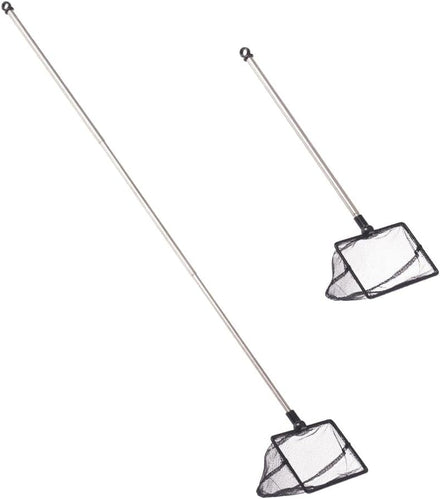
2.5 Inch Fish Net for Fish Tank
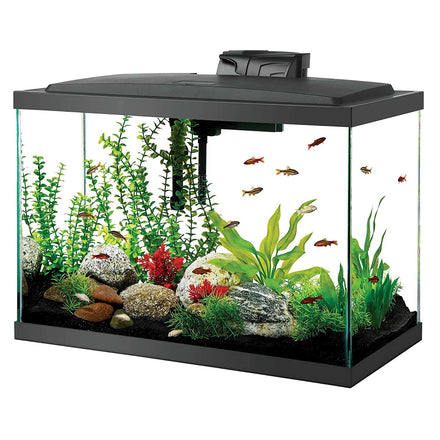
20 Gallon aquarium Starter Kit with LED Lighting
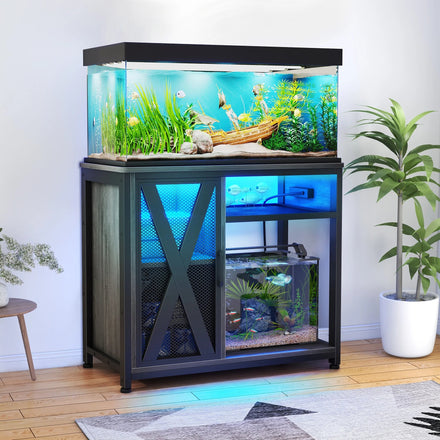
40-50 gallons Fish Tank Stand with Power Outlets
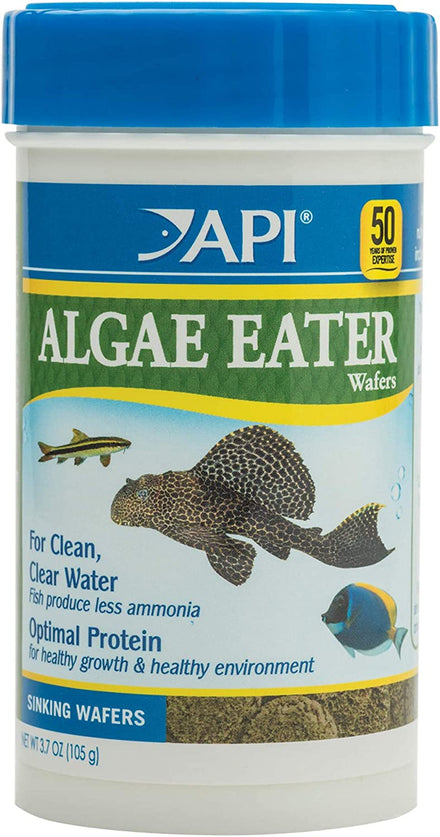
ALGAE EATER WAFERS Algae Wafer Fish Food
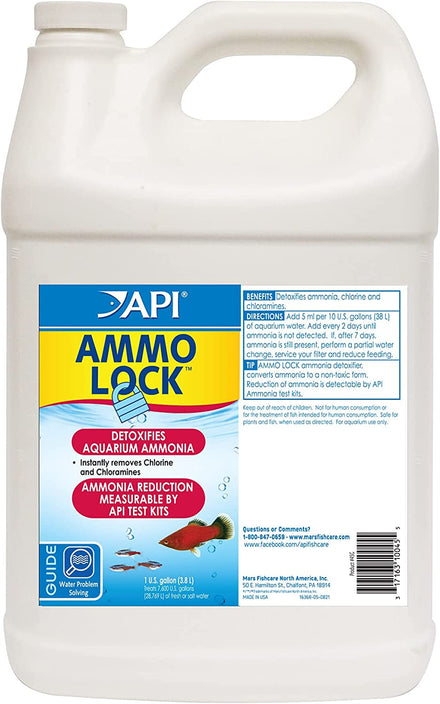
Ammo Lock Freshwater and Saltwater Aquarium Ammonia Detoxifier 1-Gallon Bottle

Aquarium Power Filter with 3 cartridges

Aquarium Water Pump with Adjustable Switch

78°F, Zero Ammonia: Betta Fish Water Parameters for New Owners
Two Minute Rule: Match Goldfish Food Types to Body Shape

Reef Tank Fish for Beginners: The Safest Species to Start With

Nano Aquarium Guide: The Best Small Tanks and How to Make Them Thrive

Koi Pond and Pond Fish Guide: Setup, Filtration, and Fish Selection

Goldfish Tank Setup: What Goldfish Actually Need (Not a Bowl)

Aquascape Basics: How to Design a Beautiful Natural Aquarium
Cichlid Fish Care: African vs. South American Species
The whole guide, free to read right here — habitat, diet, lighting, troubleshooting and a first-48-hours quick start. No email required.
Almost everybody who has ever kept fish remembers the first tank: a glass box on a countertop, a little light humming, bright fish drifting through green plants, and the calm that settles over a room when you sit and watch water. It is one of the most relaxing things a family can keep. It is also the hobby where the biggest cause of dead beginner fish has nothing to do with the fish. It is an invisible, natural process called the nitrogen cycle (the way helpful bacteria turn toxic fish waste into much safer substances), and most people set up a first tank without hearing about it. They bring the fish home the same afternoon, and within a week or two the fish are gone and nobody knows why. This guide is written so that does not happen to you. We will set up a tank, grow the beneficial bacteria that keep it safe before any fish arrive, choose fish that suit one another, feed them well, and handle common problems calmly. Our approach is the one we bring to everything at Walnut Creek Supply: natural-first, low-stress, and stability over perfection. A boringly steady tank is a beautiful tank.
These ten steps take you from an empty box to a tank that is quietly growing its own bacteria. Notice what is missing: no fish go in during the first 48 hours. The first stretch of a new tank's life is for the water, not the fish. Fish come home when your test kit says the tank is ready, usually three to six weeks from now. That wait is the single best investment you can make.
What needs to be in the house before the first fish, and what to look for in each category.
Ready to set up? Browse the essentials in our collections: Aquarium Filters, Pumps & Media, Aquarium Lighting, Aquarium Substrate and Aquarium Chems, Conditioners, Cultures.
Enrichment, one click away. Shop Aquarium Decorations and Accessories, Aquarium Live Plants & More and Aquascape Kits & Hardscape.
A healthy freshwater aquarium is a small, living ecosystem in a glass box, not a decoration with fish in it. Colonies of invisible bacteria live in the filter and on every surface, quietly turning fish waste into something safer. Plants take up what is left. Fish eat, breathe and live above all of it. When the balance is right, the water is clear, the fish are active and colorful, the plants slowly grow, and the tank looks after itself with about an hour of attention a week.
A healthy tank has ammonia and nitrite at 0 ppm, low and steady nitrate, a stable temperature, clear water with a faint earthy smell (never a foul one), fish that eat eagerly, swim in the open and show good color, and plants with new growth. A beginner should expect a few weeks of waiting at the start, a little weekly maintenance, some algae now and then, and the occasional loss. The goal is not perfection; it is a tank steady enough that problems are rare, small, and easy to catch.
| Type | Minimum tank | Temperature | Group size | Typical lifespan | Beginner-friendliness |
|---|---|---|---|---|---|
| Community fish (tetras, rasboras, corydoras, livebearers, danios) | 20 gallon long or 29 gallon | 76–80°F | Schooling fish in groups of 6 or more | 2–5 years (corydoras up to 10) | Excellent, the best place to start |
| Betta (Siamese fighting fish) | 5 gallons, heated and filtered | 78–80°F | One per tank | 3–5 years | Good if housed properly; poor in bowls and vases |
| Fancy goldfish | 20 gallons for the first fish plus 10 for each additional | 65–72°F, no heater | Pairs or small groups | 10–15 years or more | Easy to buy, demanding to house; messy and needs strong filtration |
| Cichlids (African and South American) | 29 gallons for dwarf species; 55 gallons or more for most African and larger species | Varies by species | Depends on species; often territorial | 5–15 years | Moderate to advanced; research before buying |
| Freshwater shrimp (cherry, crystal red) | 5–10 gallons | 72–78°F | Colony of 6 or more | 1–2 years | Cherry shrimp are fairly hardy; crystal reds are for experienced keepers |
Each group has its own habits. A short note on each:
Community fish. Tetras, rasboras, corydoras, livebearers (guppies, platies, mollies and swordtails, which bear live young) and danios are the classic beginner fish: small, colorful, peaceful in the right company, and happiest in groups. Keep schooling fish in groups of at least six; a lone neon tetra is a nervous neon tetra.
Bettas. A betta is a magnificent, intelligent little fish that learns the person who feeds it. Bettas are not "puddle fish" that thrive in vases or bowls; that is a sales myth. They come from warm, slow, vegetated waters and need at least 5 gallons, heated to 78–80°F, with a gentle filter and hiding places. Males fight to injury, so keep one betta per tank. Long fins and strong currents do not mix, so choose a filter with adjustable flow.
Goldfish. Goldfish are cool-water fish that grow big, live long, and make more waste than almost any other common pet fish. Fancy goldfish (round-bodied varieties like orandas, ranchus, fantails and ryukins) can live in a large aquarium: plan roughly 20 gallons for the first fish plus 10 for each additional, at 65–72°F, with strong filtration. Common and comet goldfish (the long-bodied, single-tailed kind sold as carnival or "feeder" fish) and koi grow far too large for any home aquarium and belong in ponds. None of these mix with a tropical tank.
Cichlids. Cichlids are a huge family of intelligent, often territorial fish. African cichlids from the Rift Valley lakes (Malawi and Tanganyika) like hard, alkaline water and are usually kept in species-matched, rock-heavy tanks of 55 gallons or more. South American cichlids such as angelfish, rams and severums prefer softer, slightly acidic water with plants and wood; angelfish need tall tanks, and large species like oscars need far bigger tanks than their store size suggests. Cichlids are rewarding but not ideal first fish: pick a species first, then build the tank around it.
Freshwater shrimp. Cherry shrimp (a bright red dwarf species) and crystal red shrimp (a striking red-and-white, pickier cousin) are fascinating to watch as they graze across plants and wood. They need very stable water with little nitrate, no copper, and no big predators. Cherry shrimp are the more forgiving of the two.
Nano tanks. A nano tank is anything under about 10 gallons. They are charming, but they are harder, not easier: a small volume of water changes quickly, and one overfeeding can swing the chemistry in hours. We recommend nanos for experienced keepers, a single betta, or a shrimp colony. If you are new to fish, buy the biggest tank your space and budget comfortably allow.
Planted tanks. A planted tank simply has enough live plants to shape the water. You do not need high-tech lights or injected carbon dioxide to begin; easy plants like java fern, anubias, vallisneria and cryptocorynes grow quietly under modest light and make a tank steadier and more beautiful. It is an excellent natural-first path.
What about saltwater, reef and ponds? Saltwater and reef aquariums need different equipment, chemistry and expertise, and have their own Walnut Creek Supply guide; start there once your freshwater tank is humming. A pond is an outdoor ecosystem that needs enough volume and depth to stay stable through summer heat and winter freeze, and it suits common goldfish and koi. It is a long-term landscaping project more than a pet purchase, and deserves its own research.
Most new keepers are surprised by three things. The first is the wait: nothing in the pet aisle prepares you to hear that the best thing to do with a new tank is leave it empty of fish for a month, but that month turns a glass box into a safe home. The second is how much easier bigger is: a 29 gallon is far more forgiving than a 5 gallon, because the same mistake dilutes in more water. The third is that "one inch of fish per gallon" is a myth. It ignores that a 10 inch goldfish makes far more waste than ten 1 inch tetras, that schooling fish need numbers, and that adult size and temperament matter more than store size. See Stocking & Compatibility.
Bigger is easier. This is the most useful sentence in the hobby. More water dilutes waste, holds its temperature, and changes chemistry slowly, which gives you time to notice a problem and fix it. For a beginner community we recommend a 20 gallon long or a 29 gallon as the minimum: a long footprint (floor area matters more than height), room for a school of small fish plus bottom dwellers, and a margin for error.
| Tank size | Good for | Notes |
|---|---|---|
| 5–10 gallons | One betta (5 gallons minimum); a shrimp colony; experienced keepers | Water chemistry swings fast; not recommended for a first community |
| 20 gallon long | Beginner community of small schooling fish plus bottom dwellers; one fancy goldfish (the tight minimum) | Wide floor, easy to reach, forgiving; our top beginner pick |
| 29 gallon | Beginner community with more variety; planted tanks | A very good all-rounder, and slightly more stable |
| 40–55 gallons | Larger community; fancy goldfish pairs; African cichlids (55 or more) | Needs a purpose-built stand and bigger filter |
Pick the spot before you buy the tank, since once it is full it is not moving. The tank belongs on a level, rigid surface rated for the filled weight: a 29 gallon tank with water, substrate and décor can top 350 pounds. A purpose-built aquarium stand is safest. Check it with a bubble level, since an out-of-level tank stresses the glass seams, and follow the tank maker's guidance about any foam leveling mat.
Keep the tank out of direct sunlight (which fuels algae and swings the temperature), away from vents, drafty windows and exterior doors, and away from loudspeakers, since vibration startles fish. Plug into a ground-fault protected outlet and give every cord a drip loop (let it hang below the outlet before it climbs back up, so water runs off the loop and not into the socket).
A lid or hood is part of the tank. Many fish jump, including danios, hatchetfish, bettas and even some tetras and gouramis. A lid also keeps out dust and curious cats, slows evaporation, and holds heat. Leave a small gap for cords and air tubing.
A good layout mixes open swimming space, cover, and clear lines for maintenance. Sketched front-on as a labeled diagram, it runs like this, back to front.
Back wall: a dark or natural background on the outside of the back glass. At one back corner sit the filter intake and outflow, with the heater beside the outflow. Put the thermometer at the opposite end so you read the coolest spot.
Back third: tall plants such as vallisneria along the back and one end form a green backdrop, with taller wood or rockwork anchoring one side. Floating plants at the surface shade the water and give shy fish cover.
Midground: mid-height cryptocorynes and clusters of java fern and anubias attached to wood and rock. This is the cover zone, with one or two caves or hollows for bottom dwellers.
Open front third and center: keep this clear. It is the open swimming lane where schooling fish cruise, where you vacuum, and where food lands. Use smooth sand or gravel with a few low plants at the corners.
Surface: a gentle ripple where the filter outflow breaks the water, with a small air gap under the lid. Bettas and gouramis breathe surface air, so leave them a clear spot to reach it.
Lighting: on a timer above the lid, 6–8 hours a day.
Aim for planting and hardscape to fill roughly one third to one half of the footprint, leaving open water. Arrange rocks and wood in natural groupings, never with tight gaps: if a fish can fit its head in a gap, it can get trapped.
The material on the bottom of the tank holds bacteria, anchors plants, and shapes how bottom dwellers behave. Corydoras and loaches forage with sensitive barbels, so smooth sand or rounded gravel suits them far better than sharp gravel.
| Substrate | Best for | Performance | Notes |
|---|---|---|---|
| Smooth, rounded gravel (inert) | General community tanks | Durable, easy to vacuum, holds bacteria | Choose uncoated, aquarium-labeled gravel in a small grain size |
| Fine sand (inert aquarium or pool filter sand) | Corydoras, loaches, natural look | Soft on barbels; debris sits on top where it is easy to vacuum | Rinse thoroughly; stir gently weekly to prevent compacted dead spots |
| Planted tank soil (nutrient-rich aqua soil) | Heavily planted and shrimp tanks | Feeds roots; often softens water slightly | Can release ammonia early on; best for experienced planters; breaks down over a couple of years |
| Inert gravel plus root tabs | Easy rooted plants such as cryptocorynes | Root tabs feed heavy root feeders | A simple, low-cost way to grow lush plants |
| Bare bottom | Quarantine and hospital tanks only | Easiest to clean; waste is easy to spot | Not for display tanks; fish like cover and a natural floor |
| Crushed coral or aragonite sand | Hard-water African cichlid tanks only | Raises and buffers pH and hardness | Avoid in community, shrimp or soft-water tanks |
Aim for a depth of roughly 1.5–2 inches, a little deeper at the back. Too thin and plants will not root; very deep beds can develop pockets where debris goes sour.
Choose rocks, wood and ornaments that are aquarium-safe with no sharp edges. Test a questionable rock by dripping white vinegar on it: if it fizzes, it contains carbonates that will raise pH and hardness over time, which suits African cichlids and few others. Aquarium driftwood should be soaked until it sinks, which may take days or weeks; it leaches harmless tannins that tint the water, and bettas and tetras like it.
Run a soft nylon stocking around every edge and opening of an ornament. If it snags, it can tear a fin. This matters most for long-finned bettas and fancy goldfish.
Live plants take up nitrate and ammonia, compete with algae for nutrients, oxygenate the water in daylight, and offer cover that lowers fish stress. Start with the forgiving ones.
| Plant | Where it grows | Light | Notes |
|---|---|---|---|
| Java fern | Tied to wood or rock; never buried | Low | Very tough; slow growing; hardy even in poor conditions |
| Anubias | Tied to wood or rock; never buried | Low | Broad leaves; tolerates most fish, even goldfish nibbling |
| Vallisneria | Rooted in substrate, tall at the back | Low to moderate | Long ribbon leaves, spreads by runners; makes a natural curtain |
| Cryptocoryne | Rooted in substrate, midground | Low | May "melt" (lose leaves) when first planted, then regrows; patience rewarded |
| Floating plants (frogbit, red root floater, salvinia) | Surface | Low to moderate | Fast nitrate absorbers; shade for bettas and shy fish; thin them as they spread |
Rinse every new plant gently before adding it; plants can carry snails, hitchhikers, and sometimes pesticides. Never release unwanted aquarium plants into ponds, streams or storm drains, because many are invasive. Bag them and put them in the trash, or dry them out and compost them.
You cannot see most of what keeps a fish healthy; you can only measure it. This is why a liquid test kit belongs next to the tank. Learn a few numbers, test regularly, and you will catch nearly every problem before the fish show it. The big idea is stability: water that is steadily "pretty good" beats water that is constantly fixed and re-fixed to chase a perfect number.
| Parameter | Target value | How to test | What goes wrong when it's off |
|---|---|---|---|
| Ammonia (NH3/NH4) | 0 ppm | Liquid test kit; test twice a week during cycling and after any change | Any reading above zero burns gills and skin; fish gasp, hide, clamp fins, and may die; the most common beginner killer |
| Nitrite (NO2) | 0 ppm | Liquid test kit; same schedule as ammonia | Blocks the blood from carrying oxygen ("brown blood disease"); fish gasp at the surface even though the water looks fine |
| Nitrate (NO3) | Under 20–40 ppm; under 20 for shrimp and sensitive fish | Liquid test kit; weekly | A chronic stressor at high levels: faded color, algae blooms, weak immune systems; fixed by water changes and plants |
| pH | Stable; 6.5–7.8 suits most tropical community fish | Liquid test kit; weekly | Sudden swings stress fish more than a steady number; chasing a value with chemicals usually makes things worse |
| Temperature | 76–80°F tropical community; 78–80°F bettas; 65–72°F fancy goldfish | Thermometer opposite the heater; daily glance | Too cold: sluggishness, disease, weak immune system; too hot: low oxygen, stress; sudden swings cause shock |
| KH (carbonate hardness) | 3–8 dKH for most community fish | Liquid KH test or drop test; monthly | Very low KH lets pH crash suddenly; a buffer for stability |
| GH (general hardness) | 4–12 dGH for most community fish; softer for shrimp and some tetras; harder for African cichlids | Liquid GH test; when setting up and when changing water source | Wrong hardness stresses fish and breeding, and affects shrimp molting |
| Chlorine and chloramine | 0, always treated with dechlorinator | Treat all tap water; test strips available for chlorine | Kills beneficial bacteria and burns gills in minutes |
A few terms in plain language. Ammonia is the toxic waste fish release through their gills and droppings, and it is also released as uneaten food and plant matter rot. Nitrite is what the first group of bacteria turn ammonia into, and it is almost as toxic; it blocks the blood from carrying oxygen. Nitrate is what a second group turn nitrite into; it is far less toxic and builds up slowly until water changes and plants remove it. KH (carbonate hardness) measures the minerals that buffer pH and keep it from dropping suddenly. GH (general hardness) measures dissolved calcium and magnesium, which fish and shrimp use for bones, scales and shells. Your water utility's report usually lists both; well water should be tested directly.
Two reminders. First, a steady pH matters far more than a particular number: most community fish adapt to anything in the 6.5–7.8 range if you do not swing it quickly, so do not add "pH up" or "pH down" products to a new tank. Second, ammonia grows more dangerous as pH and temperature rise, so even a reading of 0.25 ppm deserves a water change and a second look.
The nitrogen cycle is the natural process that makes a closed tank of water safe to live in. It is the most important idea in this guide, and the one that most often goes unexplained at the point of sale. Here is the whole story in plain language.
Fish breathe, eat and excrete, and that produces ammonia, which is toxic; uneaten food and decaying plants add more. In a brand-new tank nothing deals with it, so it builds up. Over days, a first group of beneficial bacteria moves into the filter media and onto every surface and eats ammonia, producing nitrite, which is also toxic. Then a second group eats nitrite and produces nitrate, which is far less harmful and is removed by water changes and plants. Once both colonies are large enough for the waste in the tank, the tank is cycled: ammonia and nitrite read zero and nitrate is present. The colonies take time to grow because bacteria multiply slowly in a clean new tank with little to eat.
This is why a fish put into an uncycled tank often seems fine for several days and then dies. Ammonia and nitrite quietly climb until they burn the gills. The fish was never "sickly"; the tank was not ready. Hobbyists call it new tank syndrome.
Fishless cycling grows the bacteria with an ammonia source and no fish at risk. It is gentler and more controlled, and you can stock the tank properly when it is done.
Sometimes people already have a fish and a new, uncycled tank: a gift, a rescue, a regretted impulse buy. Cycling with the fish in is possible, but it is harder on the fish. Use the hardiest fish you can, keep the number tiny, feed very lightly, and test ammonia and nitrite every day. Whenever either reads above 0.25 ppm, do a 30–50% water change with dechlorinated, temperature-matched water. Some conditioners also temporarily detoxify ammonia, which buys time. Expect weeks of daily vigilance, and add no more fish until readings stay at zero between water changes. If the choice is yours, cycle fishless.
Every tank is different: warmth, source water, starter bacteria, seeded media and the ammonia dose all change the speed. Most tanks take three to six weeks; a few take two or eight. A typical fishless cycle looks like this.
| Stage | Typical timing | What your tests show | What to do |
|---|---|---|---|
| Setup and dosing | Day 0 | Ammonia raised to about 2 ppm; nitrite and nitrate 0 | Record baseline readings; start the log |
| Ammonia phase | Roughly days 1–14 | Ammonia high, then slowly falling; nitrite appears and begins to rise | Test every day or two; re-dose ammonia only when it falls near zero |
| Nitrite phase | Roughly weeks 2–5 | Ammonia clears fast after dosing; nitrite high, then falling; nitrate starts to appear | Be patient. Nitrite is the slow stage; if nitrite is off the chart for many days, a partial water change can help |
| Ready check | Weeks 3–6 | 24 hours after 2 ppm ammonia: ammonia 0, nitrite 0, nitrate present | Do a large water change to lower nitrate, then add the first small group of fish |
A cycle that seems to have stopped is usually fixable. Check these first.
A mini-cycle can follow a big addition of fish, a heavy overfeeding, or a filter cleaning: ammonia or nitrite pops up for a few days. Do a water change, feed less, and keep testing until it settles.
Feeding is where kindness most often goes wrong. A fish that begs is not a fish that is hungry; fish are opportunistic eaters and will eat far more than they should. Overfeeding is the second biggest killer of aquarium fish, right behind the nitrogen cycle. Extra food rots, spikes ammonia, fouls the substrate, and fuels algae and cloudy water. We hold fish food to the same standard as every pet food we sell: Clean Fuel, No Junk. Read the label. The first ingredient should be a recognizable whole food such as fish, krill, shrimp, spirulina or a named plant, not an unnamed meal or filler.
Match the food to the mouth, the habits and the body shape. Surface feeders take floating flake. Mid-water fish take flake or micro-pellet. Bottom dwellers need food that sinks.
| Fish type | Staple food | Variety and treats | Notes |
|---|---|---|---|
| Tetras, rasboras, danios | Quality flake or micro-pellet | Frozen or live bloodworms, brine shrimp, daphnia several times a week | Small mouths: crush or choose a small size; feed mid-water |
| Corydoras and other bottom dwellers | Sinking pellets or wafers | Frozen bloodworms, daphnia, blanched vegetables | Make sure food reaches the bottom before other fish eat it; feed after lights dim if needed |
| Livebearers (guppies, platies, mollies, swordtails) | Flake or small pellet with some vegetable content | Frozen brine shrimp, spirulina flake, blanched vegetables | Omnivores; mollies especially enjoy algae and greens |
| Betta | Betta-specific floating pellet or small-mouthed carnivore pellet | Frozen or live bloodworms, brine shrimp, daphnia several times a week | A true carnivore; feed 2–4 small pellets once or twice daily; do not overfeed |
| Fancy goldfish | Sinking pellets or gel food | Blanched greens and shelled peas; occasional frozen daphnia | Fancy goldfish gulp air at floating food, which can cause buoyancy trouble; use sinking food |
| Cichlids | Species-appropriate pellet (higher protein for carnivores, higher fiber for herbivorous mbuna) | Frozen foods; vegetable matter for herbivores | Too much meat damages the gut of herbivorous African species |
| Shrimp | Shrimp food or finely crushed pellet; biofilm and algae | Blanched spinach, leaf litter | Feed a tiny amount a few times a week; excess food in a shrimp tank means trouble |
Feed small amounts once or twice daily, only what the fish eat in about two minutes. Watch the first feedings closely; if food is still drifting or sitting on the bottom after two or three minutes, you fed too much. Skip one feeding a week as a "fasting day"; this helps digestion and keeps the water cleaner. A healthy adult fish can go a week without food with no harm, so a short trip does not need an automatic feeder or a neighbor stuffing the tank. For a longer trip, ask a trusted friend and give them pre-portioned packets, one per day, so a well-meaning "extra" does not become a disaster.
Variety matters. A staple flake or micro-pellet forms the base. Add frozen or live foods such as bloodworms, brine shrimp and daphnia several times a week for carnivores and omnivores; frozen is safer than live because it is less likely to carry disease. Offer blanched vegetables (zucchini, cucumber, spinach, shelled peas) and algae wafers to herbivores and omnivores. To blanch, simmer a slice for a minute or two, cool it, weight it so it sinks, and remove leftovers after a few hours.
Cloudy water, a film on the surface, rotting food on the bottom, ammonia or nitrite above zero, sudden algae, and a foul-smelling gravel bed all point to too much food. Feed less, remove uneaten food after a few minutes, do a water change, and be patient. A fish that is a little hungry is a happy, healthy fish.
Shop the food and supplies: Browse Food for Aquatics.
Forget "one inch of fish per gallon." For every species, ask: How big is it as an adult? How many does it need to be comfortable? How messy and active is it? Who will it get along with? The sum of the answers is your bioload, the total waste your fish produce and your filter and bacteria must handle. Keep it comfortably below what your biological filter can process.
As a starting point, a well-filtered 20 gallon long can hold one school of small fish (six to eight), a group of six small bottom dwellers, and a few livebearers or one centerpiece fish. A 29 gallon allows a second school or more variety. A single fancy goldfish is already a full 20 gallon tank's worth of waste. Planted tanks tolerate slightly more, but resist filling every inch in the first month.
Quarantine means keeping new fish in a separate tank for a few weeks before they join the others. It is the best insurance in the hobby, because many diseases show up days or weeks after purchase and one sick newcomer can infect an established tank. A plain 5–10 gallon tank with a sponge filter, heater, hiding places and no substrate is all you need. Keep new fish there for 2–4 weeks where possible, feeding well and watching for white spots, torn or clamped fins, odd swimming or poor appetite. Never share nets or siphons between tanks, and wash your hands between them. If you cannot quarantine, buy from a shop that does, watch the fish before you buy, and add newcomers slowly, a few at a time.
Research adult size and temperament before buying; a cute two-inch fish in a store may be a ten-inch predator in a year. As a rule, do not mix fin-nippers with long-finned fish, small fish with large mouths, or fast eaters with slow ones. Match water temperature and chemistry needs too.
| Fish | Group size | Good with | Avoid with | Notes |
|---|---|---|---|---|
| Tetras and rasboras (neon, ember, harlequin, chili) | 6 or more | Each other, corydoras, small peaceful livebearers, gouramis | Large or predatory fish; fin-nippers; adult angelfish | Peaceful; a few tetras (serpae, black skirt) are nippy, so check the species |
| Corydoras | 6 or more | Most peaceful fish | Aggressive bottom dwellers; goldfish (cool water) | Need soft substrate and group company |
| Livebearers (guppies, platies, mollies, swordtails) | 2–3 females per male | Peaceful community fish, rasboras, tetras, corydoras | Male bettas (flashy guppies can provoke them); fin-nippers | Breed readily; plan for more fish than you bought |
| Danios (zebra, pearl, celestial) | 6 or more | Other active, hardy fish | Slow, long-finned fish; shy fish | Fast and active; can nip; jump readily |
| Betta | One only | Snails, peaceful bottom dwellers such as corydoras, shrimp (with risk), ember tetras in larger tanks | Other bettas, guppies, tiger barbs, fin-nippers, and anything flashy or long-finned | Personalities vary; watch closely and have a backup plan |
| Fancy goldfish | Pairs or small groups of the same type | Other fancy goldfish with similar body shape and swimming ability | Tropical fish (heat), common goldfish (speed and size), small fish (they get eaten) | Slow swimmers need slow, matched tankmates |
| Cichlids | Depends on species | Same-region cichlids, researched individually | Community fish, shrimp, long-finned fish | Territorial; research each species before purchase |
| Cherry and crystal red shrimp | Colony of 6 or more | Snails, small peaceful fish (rasboras, ember tetras), other shrimp | Large or predatory fish, cichlids, goldfish | Fish may eat baby shrimp; copper is fatal |
| Plecos and algae eaters | One of a manageable species | Most peaceful fish | Overstocked tanks | Common plecos reach about a foot or more; choose a small species such as otocinclus or bristlenose |
Fish hide illness well, and by the time you see a symptom the underlying cause has usually been building for days. The fix for most problems begins in the same place: test your water first. Your test numbers and water-change log answer more questions than any medication does.
What you see: fish gasping at the surface, clamped fins, red or inflamed gills, lethargy, hiding, or sudden deaths in the first weeks of a tank's life. Why: the nitrogen cycle is unfinished or has been disrupted (a filter rinsed in tap water, medication, too many fish too fast), so ammonia or nitrite are building up. What to do: test immediately, then do a 30–50% water change with dechlorinated, temperature-matched water, repeating daily until both read 0. Use a conditioner that also detoxifies ammonia temporarily, feed lightly, and add surface agitation. When to ask for help: if fish keep gasping or dying despite repeated water changes, or you cannot get readings to zero.
What you see: tiny white spots like grains of salt on the body and fins, scratching against décor, clamped fins, and fast breathing. Why: a parasite (Ichthyophthirius), usually introduced on new fish and triggered by stress such as a temperature drop. What to do: the parasite is only vulnerable in its free-swimming stage, so treat for the full course on the label. Many keepers gradually raise the temperature toward the top of what their fish tolerate while using an ich medication labeled for freshwater. Scaleless fish such as corydoras and loaches are sensitive to some medications and to salt, so use reduced doses or ask the shop. Many treatments harm shrimp, snails and plants, so use a hospital tank when you can. When to ask for help: if spots persist after a full course, or fish struggle to breathe.
What you see: frayed, ragged or milky fin edges that slowly recede, sometimes with red streaks at the base. Why: bacteria attack fins weakened by poor water quality, stress or nipping. What to do: fix the water first, with small, frequent water changes and good filtration, and remove any nippers. If the rot progresses, use an antibacterial treatment as labeled, in a hospital tank. Fins regrow once the water is right. When to ask for help: if rot reaches the body or the fish stops eating.
What you see: fluffy, cotton-like white or gray tufts on the body, fins or mouth, often at a wound. Why: fungus is usually secondary, invading tissue damaged by injury or poor water. What to do: correct water quality, remove the cause (rough décor, bullying), and use an antifungal as directed. When to ask for help: if growths spread or the fish cannot eat or breathe comfortably.
What you see: a fine gold or rust-colored dust on the body, seen best when a flashlight shines across the fish at an angle, with clamped fins, rubbing and rapid breathing. Why: a fast-spreading parasite (Piscinoodinium) that can kill within days. What to do: act the same day. Dim the lights, do a water change, and treat with a velvet-labeled medication in a hospital tank if possible, since many contain copper that kills shrimp and snails. When to ask for help: immediately, especially if more than one fish is affected.
What you see: a fish floating nose-up, sinking tail-first, swimming sideways, or struggling to stay level. Why: the swim bladder (the internal buoyancy organ) can be affected by constipation, overfeeding, gulping air with floating food, cold water or infection; round-bodied fancy goldfish are especially prone. What to do: check water and temperature, withhold food for a day or two, then offer a little blanched, shelled pea or soaked sinking food. Switch fancy goldfish to sinking food. When to ask for help: if it lasts beyond a week, comes with swelling or lesions, or the fish cannot eat.
What you see: a bloated belly and scales that stick out like a pinecone, sometimes with bulging eyes and pale, stringy droppings. Why: dropsy is a sign of internal fluid buildup from organ failure, often triggered by infection or long-term stress, not a disease by itself. What to do: move the fish to a quiet, clean hospital tank, keep the water pristine, and ask the shop or an aquatic vet about treatment. The honest news is that advanced dropsy is rarely curable; if a fish is suffering with no chance of recovery, humane euthanasia is the kindest choice, so ask an aquatic vet or the shop about the right method. Never flush a live fish. When to ask for help: at the first sign of swelling.
What you see: white, stringy droppings, a sunken belly despite eating, weight loss and faded color. Why: intestinal worms and protozoa, often brought home on new or poorly fed fish. What to do: quarantine the fish and ask the shop about a suitable dewormer or medicated food; treat on a clear sign, since blind treatment is hard on fish. When to ask for help: if weight loss continues or more than one fish is affected.
What you see: hiding, faded color, a chased fish, torn fins, or a fish pinned in a corner or jumping. Why: wrong tankmates, too few in a school, too little space or cover, poor water, or a bully. What to do: review the compatibility table, add plants and hiding places, enlarge school sizes, and rearrange décor to break up territories; remove the aggressor if needed. When to ask for help: if injuries are open or the victim stops eating.
What you see: water that looks milky, hazy or green. Why: it depends on the color. A milky white or gray haze in a new tank is a bacterial bloom, free-floating bacteria feeding on extra nutrients; it is common and usually clears within a week or two, so do not scrub everything or change all the water. Green water is free-floating algae from too much light and nutrients. Dust or debris usually comes from unrinsed substrate or stirred-up waste. What to do: test the water, feed less, cut the light to 6 hours, add filter floss, and keep up routine water changes. Clarifier products are no substitute for fixing the cause. When to ask for help: if cloudiness lasts beyond three weeks, smells foul, or comes with fish distress.
What you see: brown dust on glass and plants (diatoms, common in new tanks), green film or spots, hair-like strands, or dark tufts on leaves. Why: too much light, too many nutrients from overfeeding and waste, and too little plant growth. What to do: shorten the lighting period, move the tank out of sunlight, feed less, change water on schedule, and add fast-growing plants. Scrape glass and pull strands by hand; algae eaters help but cannot fix an imbalance. When to ask for help: if an outbreak keeps returning after all of this.
| What you see | Likely cause | What to do | Urgency |
|---|---|---|---|
| Gasping, clamped fins, sudden deaths in a new tank | New tank syndrome, ammonia or nitrite | Test; 30–50% water change; repeat daily | Today |
| White spots like salt grains | Ich | Treat full course; raise temperature gradually; hospital tank | Within a day or two |
| Frayed, milky fin edges | Fin rot | Fix water; antibacterial if progressing | Within a few days |
| Cotton-like tufts | Fungus | Fix water; antifungal | Within a few days |
| Gold dust on the body, rapid breathing | Velvet | Dim lights; velvet treatment | Today |
| Floating or sinking out of balance | Swim bladder issue | Fast, then peas or sinking food | Within a week |
| Bloated body, raised scales | Dropsy | Isolate; pristine water; seek advice | Today |
| White stringy droppings, weight loss | Internal parasites | Quarantine; ask shop | Within a week |
| Chased fish, torn fins, hiding | Stress or aggression | Cover, bigger groups, rearrange | Within days |
| Milky or green water | Bacterial bloom, algae, debris | Test; feed less; reduce light | Monitor |
| Brown or green coating | Algae | Reduce light and food; add plants | Monitor |
| How often | What to do |
|---|---|
| Daily | Feed small amounts once or twice; remove uneaten food after a few minutes |
| Daily | Check the thermometer; confirm the filter is running and the lights follow their schedule |
| Daily | Count the fish and look at each one: color, fins, eyes, breathing and swimming |
| Weekly | Change 25–30% of the water with dechlorinated, temperature-matched water; vacuum the gravel |
| Weekly | Test ammonia, nitrite, nitrate and pH; write the numbers down |
| Weekly | Wipe algae from the glass, trim dead leaves, and top off evaporation with dechlorinated water |
| Monthly | Rinse filter media gently in a bucket of old tank water, never tap water; replace only worn-out parts |
| Monthly | Clean the lid and light; check heater, hoses and cords for wear; test KH and GH |
| Every 3–6 months | Replace worn filter pads and air stones; check airline tubing |
| Annually | Inspect the heater and replace it if it is old; review the whole setup and check tank seals and stand |
Veterinary care for fish is rare, and aquatic vets are few. Your first call is usually your local fish shop, an aquarium club member, or us at (717) 983-8069. An aquatic or exotic vet can help when a fish is valuable, the problem is unclear, or an animal is suffering. When you are uncertain, ask. A five-minute conversation beats a week of guessing.
Act today:
Ask within a few days:
Before calling, have your test numbers, tank size, species, stocking list, the date of your last water change, and photos or a short video of the fish ready.
Most tanks take three to six weeks to cycle, though a seeded filter from an established tank and a bottled bacteria starter can shorten that, and cold water or low pH can stretch it to eight. The only reliable way to know is to test. Your tank is cycled when, 24 hours after adding about 2 ppm of ammonia, ammonia and nitrite both read 0 ppm and nitrate is present. Bottled bacteria help but do not remove the need to test.
A 20 gallon long or a 29 gallon is the best beginner minimum for a community tank. Bigger tanks are more forgiving because the same mistake gets diluted in more water and the temperature and chemistry change slowly, which gives you time to notice and fix problems. Small tanks of 5–10 gallons are best left to experienced keepers, a single betta (5 gallons minimum), or a shrimp colony.
There is no reliable formula, and the old "one inch of fish per gallon" rule is a myth. Instead, consider each species' adult size, group needs, temperament and waste output, then add fish slowly and let your test results guide you. A well-filtered 20 gallon long usually holds one school of six to eight small fish, a group of small bottom dwellers, and a few extras; a fancy goldfish needs about 20 gallons by itself. When in doubt, understock.
As a starting point, change about 25–30% of the water weekly, using dechlorinated, temperature-matched water, and vacuum the gravel as you go. Adjust to your test results: if nitrate climbs above 20–40 ppm before the week is out, change more or more often; if your tank is lightly stocked and heavily planted, you may do fine with less. Consistency is more important than the exact number.
The most likely cause is new tank syndrome: the nitrogen cycle was not finished, so ammonia and nitrite built up and poisoned the fish. Other common causes are untreated tap water, a sudden temperature change, adding too many fish at once, overfeeding, and stress from transport or incompatible tankmates. It is not your fault, and it is very common. Test your water, do water changes, and consider cycling fishless before trying again.
Tropical fish such as tetras, rasboras, corydoras, livebearers, bettas and most community species do, because they come from warm waters and do best at a steady 76–80°F (78–80°F for bettas), which most homes do not provide, particularly overnight. Goldfish are the exception: fancy goldfish prefer cool water (65–72°F) and generally do not need a heater in a normal home. In all cases, use a thermometer.
Hardy, peaceful, small schooling fish are the classic starters: harlequin rasboras, black or ember tetras, corydoras, platies and zebra danios, kept in groups of six or more in a 20 or 29 gallon tank. A single betta in a heated, filtered 5 gallon tank is also a lovely first fish. Neon tetras are popular but can be delicate, so add them to a mature tank. Add fish slowly, a few at a time, once the tank is fully cycled.
Once or twice a day, in small amounts, only as much as the fish eat in about two minutes. Overfeeding is the second most common killer of aquarium fish; it fouls the water and fuels algae. Offer a quality staple flake or micro-pellet, add frozen foods such as bloodworms, brine shrimp or daphnia a few times a week, give blanched vegetables or algae wafers to herbivores, and consider one fasting day a week.
No. Goldfish produce a great deal of waste, grow larger than most people expect, and live 10–15 years or more, while a bowl has no filter, too little water, and too little oxygen. Fancy goldfish need a real aquarium of roughly 20 gallons for the first fish plus 10 for each additional, with strong filtration. Common and comet goldfish and koi grow too large for any home aquarium and belong in a pond.
It depends on the color. A milky white or gray haze in a new tank is usually a bacterial bloom, which clears on its own in a week or two if you avoid overfeeding and over-cleaning. Green water is algae from too much light or too many nutrients. Dust or debris usually comes from unrinsed substrate or weak filtration. Test your water, feed less, cut lighting to 6 hours, and keep up regular water changes. If the water smells foul, look for a dead fish or rotting food.
Ready to shop? Start with Aquatics. 10% of every purchase supports no-kill animal shelters.
Before we earn a dime, 10% of every purchase at Walnut Creek Supply goes to no-kill animal shelters across the country. Not at checkout. Not as an option. Off the top of every order, every day, because we believe responsible pet ownership and community care are the same commitment made in two different directions.
For aquarium keepers, that commitment has one more dimension. Fish are not disposable, and they should never be released into a lake, stream or storm drain, where released fish and plants can devastate local waterways. If you ever need to rehome fish, contact your local fish shop, an aquarium club, or a rescue; most are glad to help. And if you love animals enough to read a guide this carefully, you are exactly the kind of keeper they deserve.
We are a family business in Christiana, Lancaster County, Pennsylvania. We grow our own food, keep our own animals, and stock the clean-label, USA-made goods we would put in front of our own families: no mystery ingredients, no junk fillers, and no care guide that skips the hard parts. If you have a question about your cycle, your test results, a new fish, or a problem you cannot solve, call us at (717) 983-8069. We would rather talk it through with you.
Welcome to a calmer corner of your home, and many years of watching your little underwater world thrive.
_From our family to yours,_ Walnut Creek Supply — Christiana, Lancaster County, Pennsylvania _walnutcreeksupply.com_
Most tanks take three to six weeks to cycle, though a seeded filter from an established tank and a bottled bacteria starter can shorten that, and cold water or low pH can stretch it to eight. The only reliable way to know is to test. Your tank is cycled when, 24 hours after adding about 2 ppm of ammonia, ammonia and nitrite both read 0 ppm and nitrate is present. Bottled bacteria help but do not remove the need to test.
A 20 gallon long or a 29 gallon is the best beginner minimum for a community tank. Bigger tanks are more forgiving because the same mistake gets diluted in more water and the temperature and chemistry change slowly, which gives you time to notice and fix problems. Small tanks of 5–10 gallons are best left to experienced keepers, a single betta (5 gallons minimum), or a shrimp colony.
There is no reliable formula, and the old "one inch of fish per gallon" rule is a myth. Instead, consider each species' adult size, group needs, temperament and waste output, then add fish slowly and let your test results guide you. A well-filtered 20 gallon long usually holds one school of six to eight small fish, a group of small bottom dwellers, and a few extras; a fancy goldfish needs about 20 gallons by itself. When in doubt, understock.
As a starting point, change about 25–30% of the water weekly, using dechlorinated, temperature-matched water, and vacuum the gravel as you go. Adjust to your test results: if nitrate climbs above 20–40 ppm before the week is out, change more or more often; if your tank is lightly stocked and heavily planted, you may do fine with less. Consistency is more important than the exact number.
The most likely cause is new tank syndrome: the nitrogen cycle was not finished, so ammonia and nitrite built up and poisoned the fish. Other common causes are untreated tap water, a sudden temperature change, adding too many fish at once, overfeeding, and stress from transport or incompatible tankmates. It is not your fault, and it is very common. Test your water, do water changes, and consider cycling fishless before trying again.
Tropical fish such as tetras, rasboras, corydoras, livebearers, bettas and most community species do, because they come from warm waters and do best at a steady 76–80°F (78–80°F for bettas), which most homes do not provide, particularly overnight. Goldfish are the exception: fancy goldfish prefer cool water (65–72°F) and generally do not need a heater in a normal home. In all cases, use a thermometer.
Hardy, peaceful, small schooling fish are the classic starters: harlequin rasboras, black or ember tetras, corydoras, platies and zebra danios, kept in groups of six or more in a 20 or 29 gallon tank. A single betta in a heated, filtered 5 gallon tank is also a lovely first fish. Neon tetras are popular but can be delicate, so add them to a mature tank. Add fish slowly, a few at a time, once the tank is fully cycled.
Once or twice a day, in small amounts, only as much as the fish eat in about two minutes. Overfeeding is the second most common killer of aquarium fish; it fouls the water and fuels algae. Offer a quality staple flake or micro-pellet, add frozen foods such as bloodworms, brine shrimp or daphnia a few times a week, give blanched vegetables or algae wafers to herbivores, and consider one fasting day a week.
No. Goldfish produce a great deal of waste, grow larger than most people expect, and live 10–15 years or more, while a bowl has no filter, too little water, and too little oxygen. Fancy goldfish need a real aquarium of roughly 20 gallons for the first fish plus 10 for each additional, with strong filtration. Common and comet goldfish and koi grow too large for any home aquarium and belong in a pond.
It depends on the color. A milky white or gray haze in a new tank is usually a bacterial bloom, which clears on its own in a week or two if you avoid overfeeding and over-cleaning. Green water is algae from too much light or too many nutrients. Dust or debris usually comes from unrinsed substrate or weak filtration. Test your water, feed less, cut lighting to 6 hours, and keep up regular water changes. If the water smells foul, look for a dead fish or rotting food.
Every aquatic article we've published, in one place.