
Leaving already?
Can we tempt you with 5$ off your first order?
Min Order of $50


Care Guide & Supplies
Everything for your backyard chickens, ducks, quail, and poultry. Coops, feeders, waterers, feed, and health supplies for your flock.
Habitat, diet, lighting, troubleshooting and a first-48-hours quick start. Free, no email required — from our family in Lancaster County to yours.
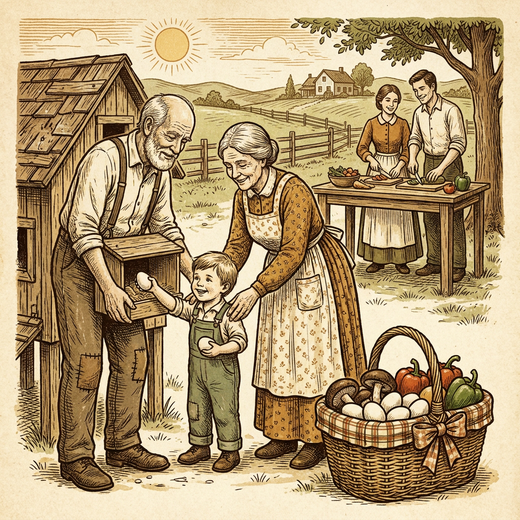
Happy Grandparents Day: How Multi-Generational Homesteading Liberates Your Family
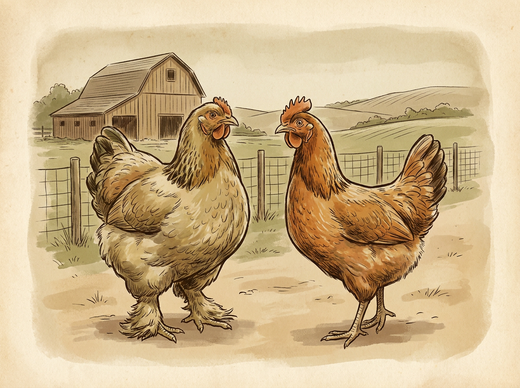
Broiler Chickens vs. Laying Hens: What's the Difference and Which Is Right for You
Duck Keeping 101: Feed, Housing, and Care for a Backyard Duck Flock
Goat Feed Guide: What to Feed Dairy and Meat Goats on the Homestead
Raising Quail: A Beginner's Guide to Feed, Housing, and Eggs
Chicken Waterer Guide: Keeping Your Flock Hydrated Year-Round
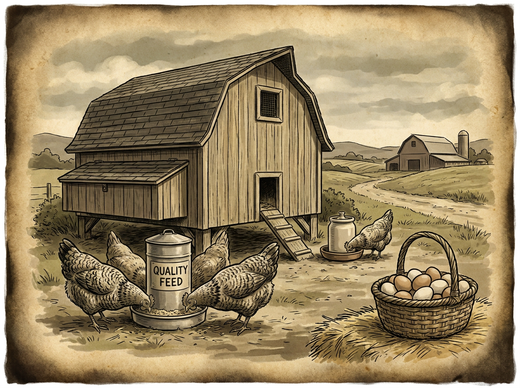
Backyard Chickens 101: Feed, Care, and Setup for a Healthy Laying Flock
The whole guide, free to read right here — habitat, diet, lighting, troubleshooting and a first-48-hours quick start. No email required.
Few animals on a homestead give back as quickly as a backyard flock. A handful of hens will turn kitchen scraps, garden bugs, and a little clean feed into breakfast, fertilizer, and a whole lot of entertainment, and ducks and quail can do the same in a smaller footprint. Here in Lancaster County, a coop behind the house is about as ordinary as a garden bed, and our own family grows its food the same way: a few hens, a few vegetable rows, and an orchard that keeps us humble. But chickens are livestock with real needs, not lawn ornaments. Chicks start life in a heated box called a brooder; they grow into young hens called pullets; adult egg-laying hens are called layers; and birds raised for meat are called broilers. Each one has different needs, and each one can be a joy when you get the basics right. This guide covers all three, starting with chickens and adding short notes on ducks and quail where their needs differ. Read the Quick Start first, check your local rules before you order a single chick, and have the brooder running before anything is shipped.
What needs to be in the house before the chicks arrive, and what to look for in each category.
Ready to set up? Browse the essentials in our collections: Hen Houses, Coops & Poultry Housing and Poultry Bird Feeders Waterers and other supplies.
Enrichment, one click away. Shop Backyard Chicken Supplies.
Domestic chickens (_Gallus gallus domesticus_) descend from the red junglefowl of Southeast Asia, a forest-edge bird that scratches, forages, dust-bathes, roosts in trees at night, and lives in a pecking order of its own making. Everything about good chicken keeping comes back to letting a chicken do those things safely. Give a hen room to scratch, a high place to sleep, dry dirt to bathe in, and a coop that is locked up tight at dusk, and she will repay you with eggs, pest control, and a surprising amount of personality.
| Trait | Detail |
|---|---|
| Common name | Chicken (hen = adult female, rooster = adult male, pullet = female under about 1 year, cockerel = young male) |
| Native range | Red junglefowl of South and Southeast Asia; domesticated for thousands of years |
| Chick to laying age | Most laying breeds begin at roughly 18 to 24 weeks; heavy breeds can take longer |
| Laying lifespan | Productive for about 2 to 3 years at peak; slows after that |
| Total lifespan | 5 to 8+ years for laying hens kept as pets or homestead flock |
| Eggs per year | 250 to 300 in year one for a good layer, declining each year; breed matters |
| Activity pattern | Diurnal. Active in daylight, roosts at dusk |
| Social structure | Flock animals with a pecking order. Never keep just one |
| Temperament | Varies by breed from calm and chatty to flighty and bossy |
| Diet | Omnivores. Seeds, greens, insects, and a complete feed as the foundation |
Hatcheries and feed stores sort chickens into three broad groups. Layers are bred for egg production and tend to be lighter, leaner, and more active. Dual-purpose breeds are heavier and lay a respectable number of eggs, so they can fill a freezer as well as an egg basket. Broilers are bred to grow very fast for meat. The numbers below are typical ranges for healthy birds in good conditions; individual hens vary.
| Breed | Type | Eggs per year (typical) | Egg color | Temperament | Notes |
|---|---|---|---|---|---|
| White Leghorn | Layer | 280–320 | White | Active, flighty | Lean, efficient, and heat tolerant; not a lap chicken |
| Golden Comet or similar production hybrid | Layer | 250–300+ | Brown | Friendly, easygoing | Very productive early on, with production that drops faster in later years |
| Australorp | Layer / dual-purpose | 220–280 | Brown | Calm, gentle | Reliable winter layer with a good record for friendly dispositions |
| Rhode Island Red | Dual-purpose | 200–280 | Brown | Hardy, sometimes bossy | Tough, forgiving, and a good first breed; may bully milder hens |
| Barred Plymouth Rock | Dual-purpose | 200–280 | Brown | Calm, curious | A classic family flock bird; cold hardy |
| Easter Egger | Layer | 200–250 | Blue, green, or olive | Friendly, varies | Colorful eggs; a mixed-breed type, so traits vary |
| Brahma | Dual-purpose (heavy) | 150–200 | Brown | Very gentle | Giant, feathered-footed, great in cold; needs more space |
| Cornish Cross | Broiler | Not a laying bird | Brown (rarely) | Placid, sedentary | Ready in 6–10 weeks; fragile if kept longer |
| Slow-growing meat hybrids (Freedom Ranger types) | Broiler | Not a laying bird | N/A | Active foragers | Ready in about 10–14 weeks; sturdier on pasture |
Egg color is determined by breed, not by the quality of the egg or what the hen eats. White, brown, blue, and green shells are nutritionally the same inside.
A well-bred laying hen peaks in her first year and then slows by roughly 10 to 20% each year after. Production tapers rather than switching off, and the eggs get larger. Expect about 250 to 300 eggs in year one, roughly 200 to 250 in year two, and 150 to 225 in year three, with occasional eggs after that. Many backyard hens live well past their laying years, so decide before you bring chicks home whether your flock includes retirees. Our own flock gets to be old.
This is the single biggest decision in poultry keeping, because the birds are built very differently.
Never keep Cornish Cross birds as a long-term pet flock with laying hens. Different timeline, different feed, different housing, and a very different relationship with your pen.
Ducks (usually Pekin, Khaki Campbell, Indian Runner, Cayuga, or Muscovy for backyard use) are hardy, cheerful, and wonderful foragers, especially for slugs and garden pests. They usually live 8 to 12 years, and productive layers like Khaki Campbells and Runners can lay 150 to 300 eggs a year. They need more water than chickens do: a deep tub or small pool for dunking their whole bill and head (which they do to keep their eyes and nostrils clear), and they splash all day long. Keep their bedding exceptionally dry and expect a muddy yard around water. Ducks do not roost or use nest boxes, so they need floor space and a low, easy entrance with a gentle ramp rather than a high ladder. Give them roughly 4 square feet per bird inside and 10 to 15 square feet per bird in the run. Some breeds are quiet (Muscovies), while others (Pekins, for example) are surprisingly loud.
Coturnix quail are small, quick-maturing, and very space-efficient, which makes them popular with homesteaders in tight quarters. They live 2 to 3 years, begin laying at about 6 to 8 weeks, and lay roughly 200 to 300 small eggs a year. They are ground birds that startle upward, so they need a low-ceilinged, well-ventilated, fully covered hutch or aviary with a solid roof (they can hurt themselves flying into a high ceiling), plus roughly 1 square foot per bird as an absolute minimum. They need higher protein than chickens (about 20 to 24% as adults, and 24 to 28% as chicks, from a game bird feed). Some states and localities restrict quail, so check before buying.
| Trait | Chickens | Ducks | Quail |
|---|---|---|---|
| Typical lifespan | 5–8+ years | 8–12 years | 2–3 years |
| Eggs per year | 250–300 (year one, good layer) | 150–300 depending on breed | 200–300 small eggs |
| Space inside, per bird | About 4 sq ft | About 4 sq ft | About 1 sq ft minimum |
| Run space, per bird | About 10 sq ft | 10–15 sq ft | 1–2 sq ft in a covered pen |
| Roosting | Yes, needs roosts | No, sleeps on the floor | No, floor-dwelling |
| Water needs | Drinking water | Drinking water plus a splash tub | Drinking water |
| Feed protein (adult) | About 16% | About 16–18% | About 20–24% |
| Noise | Moderate; hens "egg song" | Can be loud (females quack) | Quiet; roosters crow softly |
You do not need a rooster to get eggs. Hens lay eggs whether or not a rooster is present; a rooster simply makes those eggs fertile. A rooster protects the flock and keeps the peace, but he also crows (often starting before dawn), may be banned by local ordinances, and some turn aggressive. If you keep one, raise him with calm handling, avoid wrestling or hand-feeding him as a cockerel, never turn your back on him, and plan on roughly one rooster for every 8 to 10 hens so he does not wear out a small group. Check your noise ordinance first.
Rules vary by township, county, and state, and even by neighborhood. Before you order:
Call your township or city office, then put the answer in writing.
Three things catch most first-time keepers off guard. The first is how fast chicks grow: from a fluffy handful to a gawky teenager in a few weeks, and then to a fully feathered pullet that needs the coop, not the brooder. The second is the pecking order: chickens are social, and a bit of chasing and squabbling is normal, while a persistent bully or a bleeding hen is not. The third is how much personality they have: hens recognize you, follow you around the yard, come running for treats, and develop clear favorites. It is hard to stay detached about animals that greet you at the gate.
Every predator in Lancaster County knows what a chicken is. Foxes, raccoons, weasels, hawks, owls, loose dogs, coyotes, rats, and snakes all treat an unsecured coop as a buffet, and most flocks that are lost are lost in a single night. The rules below are not luxuries. They are the difference between a flock and a lesson.
The size rule: plan roughly 4 square feet per bird inside the coop and 10 square feet per bird in the run, with more for large breeds and less for bantams (miniature chickens). More space means less bullying, less ammonia, and healthier birds.
Picture the whole setup from above, with the run on the south side so winter sun reaches the pen. This layout is sized for six hens; scale it up by the per-bird numbers above.
| Zone (label on the drawing) | Size for six hens | Where it goes | Key details |
|---|---|---|---|
| Coop (enclosed house) | 4 ft × 6 ft = 24 sq ft | North end of the layout, floor raised 12–18 inches off the ground | Solid walls and roof; sealed, washable floor; human-size door on the side for cleaning |
| Roost bar | 6 ft long (8–12 inches per bird = 4–6 ft minimum) | Along the back wall inside the coop, about 18–24 inches above the floor and higher than the nest boxes | A flat 2×4 laid wide side up lets birds cover their toes in winter; rounded edges; spaced a foot from the wall |
| Droppings board | Under the roost, 6 ft long | Directly below the roost bar | A removable tray or sheet that catches droppings for a quick daily scrape |
| Nest boxes | 2 boxes (one per 3–4 hens), each about 12 × 12 × 12 inches | Along the side wall, lower than the roost, with a perch landing bar in front | Dim, quiet, and filled with a few inches of clean bedding; reachable from outside for easy egg collection |
| Pop door (chicken door) | About 12 inches wide × 14 inches tall | South wall of the coop, opening to a ramp | Closes tight at night; ramp has cleats for traction; ideal with an automatic door |
| Ventilation openings | About 1 sq ft per bird (a safe starting point) | High on the walls, well above the roost, on at least two sides | Covered in 1/2-inch hardware cloth; open year-round so humid air escapes without blowing on sleeping birds |
| Run (outdoor pen) | 6 ft × 10 ft = 60 sq ft | South of the coop, attached to the pop door | Fenced on all sides and roofed; covered area for rain and shade |
| Skirt or buried fence | 12 inches buried, or a 24-inch apron laid outward | Around the whole outer perimeter of the run and coop | 1/2-inch hardware cloth; defeats diggers |
| Dust-bath area | About 2 ft × 2 ft | Inside the dry, covered part of the run | A bin or patch of dry, loose sand and dirt |
| Feeder and waterer | One of each, hung or raised | Under the covered part of the run or inside the coop | Kept dry; waterer away from the roost to protect the bedding |
Roosts and nest boxes. Chickens sleep perched, side by side, and they want to sleep as high as they can. Make sure roosts are the highest thing in the coop, or hens will sleep in the nest boxes and soil them. Give each bird 8 to 12 inches of roost space, and provide one nest box for every 3 to 4 hens. (Hens will often crowd into one favorite box anyway.)
Ventilation without drafts. Chickens breathe out a lot of moisture and ammonia from their droppings. Good ventilation means open vents high up, above roost height, so stale air leaves the coop without a breeze blowing across the birds at night. A coop that smells sharp or feels damp needs more ventilation, not less, even in winter.
Dry and easy to clean. A sealed, washable floor (vinyl, sealed plywood, or concrete) makes cleaning ten times faster. Keep rain, snow, and roof leaks out, and make the human-size door big enough to reach every corner.
Chicks live in the brooder for their first weeks, and the bedding you choose affects their footing, their lungs, and how often you clean. Adults need bedding too: a few inches of dry material on the coop floor to soak up moisture and make cleaning easy.
| Bedding | Best for | Performance | Notes |
|---|---|---|---|
| Pine shavings (large-flake, kiln-dried) | Chicks, adults, ducklings | Absorbent, soft underfoot, and low in dust; the most common choice | Avoid fine, dusty shavings; keep it dry and refresh when damp |
| Textured paper towels over a dry base | Chicks, first 2 days only | Gives grip and keeps chicks from eating shavings before they know what's food | Replace with shavings after day 2 or 3 |
| Non-slip rubber shelf liner | Under the bedding in the brooder | Provides traction and prevents splayed legs | Wash and dry between batches |
| Hemp bedding | Adults (and chicks) | Highly absorbent, low-dust, and composts well | Higher cost; excellent for deep litter |
| Clean straw | Adult coop and nest boxes | Cozy, inexpensive, and good for nests | Not ideal for chicks (they may eat it; it holds moisture); must be kept dry and mold-free |
| Coarse construction sand | Adult coop floor and run | Dries quickly, easy to scoop like a litter box | Cold in winter; not for chicks |
| Cedar shavings | Avoid | Aromatic oils can irritate the respiratory tract | Never use for chicks; avoid for adults |
| Newspaper alone | Avoid | Slick; can cause spraddle leg; poor absorbency | Fine under other bedding, not as the surface |
| Moldy straw or hay | Avoid outright | Mold spores can cause serious lung infections | Discard any bedding with a musty smell |
Avoid outright: cedar shavings, slick newspaper as the only surface, any moldy or damp bedding, fine sawdust (breathing hazard), shavings from treated or painted wood, and clumping cat litter (swells if eaten).
Chicks cannot regulate their own body heat for the first few weeks, so the brooder does it for them. Start at 95°F in week one and reduce the temperature by about 5°F each week until you reach about 70°F, or until the chicks are fully feathered, whichever comes first. Always provide a cool side of the brooder so chicks can step away from the heat.
| Chick age | Target temperature under the heat source | What to look for |
|---|---|---|
| Week 1 | 95°F | Chicks scattered, active, eating and drinking |
| Week 2 | 90°F | Wing feathers coming in; more movement and play |
| Week 3 | 85°F | Starting to hop, perch, and scratch |
| Week 4 | 80°F | Feathering well; the brooder is likely too small now |
| Week 5 | 75°F | Mostly feathered; begin short outdoor visits on mild days |
| Week 6 and beyond | 70°F or fully feathered | Ready to move to the coop if the weather allows |
Chicks that are fully feathered can often go to the coop at about 6 to 8 weeks, once nighttime temperatures are in line with what they've been used to. Introduce them gradually to the outdoors, and check that the coop is predator-proof before the first night. Ducklings usually feather more slowly and often need the brooder a little longer; they are also very messy, with wet droppings and splashing water, so bedding needs changing more often. Quail chicks follow a similar curve but are tiny, so use a smaller-mesh cover and shallower dishes.
Three simple numbers decide whether most flocks thrive. Check them every day.
| Parameter | Target value | How to measure it | What goes wrong when it's off |
|---|---|---|---|
| Brooder heat (chicks) | 95°F in week 1, dropping about 5°F per week to about 70°F or fully feathered | A thermometer at chick level under the heat source, plus a second on the cool side; watch chick behavior | Too cold: huddling, piling, chilled or dead chicks, pasty butt. Too hot: panting, scattering, dehydration, poor growth |
| Adult comfort range | Dry and draft-free year-round; shade and airflow above about 85°F | A max/min thermometer in the coop; observe hens | Heat: panting, wings held out, drops in egg production, death in extreme cases. Cold plus damp: frostbitten combs and toes |
| Light (layers) | About 14–16 hours of light per day for steady production | A timer on a low-wattage bulb to extend the natural day; count daylight hours | Under about 12 hours: production slows or stops, which is natural. Sudden changes or all-night light: stress and strange laying patterns |
| Water | Clean, cool (or unfrozen), available 24/7; a hen drinks roughly a pint a day, more in heat | Check waterers at least twice daily; lift and weigh if unsure | Without water, a hen stops laying quickly and can die within a day or two in the heat; dirty water spreads disease |
Hens lay in response to day length. In late fall and winter, as the days shorten below about 12 hours, many hens slow down or stop laying for a while. This is a natural rest. If you want steady winter eggs, add a low-wattage light on a timer in the early morning so total light reaches 14 to 16 hours, and keep the schedule steady. Many keepers choose not to add light and give the hens a winter rest, which is also perfectly healthy. Pullets raised to lay should not be given extra light until they are about 18 weeks old, to avoid bringing them into lay before their bodies are ready.
A chicken can skip a meal with little harm, but not water. Keep it clean, in the shade in summer, and ice-free in winter. The waterer guide is in the Diet & Nutrition section.
Chickens are omnivores, which means they eat plants, seeds, and animals (mostly insects, worms, and the occasional unlucky frog). In the backyard, the foundation of the diet is a complete feed, a formulated ration that already contains the protein, vitamins, and minerals a bird needs. We pick feeds the way we pick everything: no mystery ingredients, a clear label, and Clean Fuel, No Junk. Everything else is the extra.
Feed needs change as birds grow. Switching too early or too late affects growth, laying, and bone health.
| Age | Feed type | Protein | Notes |
|---|---|---|---|
| Hatch to about 6–8 weeks | Chick starter (crumble) | About 18–20% | Medicated starter helps prevent coccidiosis, a gut parasite. Skip medicated feed if chicks were vaccinated for coccidiosis |
| About 6–8 weeks to 18–20 weeks | Grower (or "grower/developer") | About 15–18% | Supports steady frame growth; no extra calcium yet, which can harm young pullets' kidneys |
| About 18–20 weeks and beyond | Layer feed | About 16% | Contains added calcium for eggshells; start as the first eggs approach |
| Adult, non-laying (roosters, young males, retired hens) | All-flock or grower feed with oyster shell on the side | About 14–16% | Layer feed's calcium level is too high for non-layers |
| Broilers (Cornish Cross) | Broiler starter, then finisher | About 20–23% (starter), 18–20% (finisher) | Higher protein to fuel rapid growth; manage feed access carefully to protect legs and heart |
| Ducklings | Non-medicated starter, with added niacin | About 18–20% | Medicated chick starter is not recommended for waterfowl without guidance from your vet; offer water alongside feed at all times |
| Adult ducks | Waterfowl, all-flock, or layer feed | About 16–18% | Layer feed with extra calcium during laying |
| Quail chicks and adults | Game bird feed | About 24–28% (chicks), 20–24% (adults) | Higher protein than chicken feed |
Always check the feed bag for the intended age and species. Chicken feed that's labeled for a different life stage may be missing something your birds need.
Ducklings and niacin. Ducklings grow quickly and need more niacin (a B vitamin) than chicks to develop strong legs. A shortage can cause bowed or weak legs. Choose a waterfowl starter, or add brewer's yeast (a common source of niacin) to a non-medicated chick starter, and ask your vet or feed supplier about amounts. Because ducklings gulp food and need water to swallow it, never leave feed out without water nearby.
These two supplements sound similar and do completely different jobs.
Calcium and oyster shell. An egg shell is almost pure calcium, and a hen lays down a lot of it. Layer feed contains calcium, and we also offer crushed oyster shell in a separate dish, free choice, so each hen can take what she needs. Start layer feed and oyster shell at about 18 to 20 weeks, when the first eggs are near. Don't feed layer feed to young chicks or to roosters as their only ration; too much calcium can harm their kidneys.
Grit. Chickens have no teeth. Instead, they swallow small stones called grit that sit in a muscular organ called the gizzard and grind food. If your birds eat only complete crumble or pellets, they need little or no extra grit. If they eat anything else (greens, scratch, kitchen scraps, or free-range forage), they need insoluble grit (small granite stones) available at all times. Free-ranging birds often pick up their own, but offering a dish costs almost nothing and prevents trouble.
Treats are where chicken keepers have the most fun, and where flocks most often get into trouble. The rule is simple: treats and scratch grains should be no more than about 10% of the diet. Fill up on treats, and your hens skip the complete feed that supplies balanced nutrition, which can lead to thin eggshells, weight problems, and weaker birds.
The list is shorter than people fear, but these are worth taping inside the feed room door.
| Food | Verdict | Why |
|---|---|---|
| Avocado (pit and skin especially) | Never | Contains persin, which can be toxic to birds |
| Chocolate and cocoa | Never | Contains theobromine, which is toxic |
| Raw dry beans (especially kidney beans) | Never | Contain a natural toxin (hemagglutinin) that is destroyed only by thorough cooking |
| Green or sprouted potato skins and nightshade leaves | Never | Contain solanine, a toxin |
| Moldy, rotten, or spoiled food | Never | Mold toxins can cause serious illness and death |
| Very salty food (chips, bacon, processed meats) | Avoid | Excess salt can cause salt poisoning and dehydration |
| Rhubarb leaves, raw or uncooked | Never | Contain oxalic acid, which is toxic |
| Onions in large quantities | Avoid | Can cause anemia; tiny amounts are not a concern, but don't make them a treat |
| Dairy in quantity | Limit | Chickens are not good at digesting lactose; a small spoon of yogurt is fine, a bowl of milk is not |
| Pesticide- or herbicide-treated plants and grass | Never | Chemical residues can poison birds and show up in eggs |
When in doubt, leave it out.
Water is the most important nutrient. Chickens drink roughly a pint a day, more in heat, and need it clean and available 24 hours a day. The right waterer makes this easy.
| Waterer type | Best for | Pros | Cons |
|---|---|---|---|
| Hanging waterer | Adult flocks; keeps water clean | Raised to back height, so bedding and droppings stay out; easy to refill | Needs daily washing; can freeze in winter without a heater |
| Nipple waterer | Adult flocks and older chicks | Very clean, since water stays sealed until birds peck the nipple; low maintenance | Birds must be trained to use it; check nipples for blockage and freezing |
| Heated waterer (or heated base) | Winter | Prevents freezing so water stays available | Needs a safe outdoor power source; follow the manufacturer's instructions |
| Chick-size shallow waterer | Brooder (first weeks) | Small trough lets chicks drink without drowning | Needs frequent cleaning because it fouls quickly |
| Open pan or bowl | Ducks (with care) | Lets ducks dunk their bills | Fouls quickly; position carefully so bedding stays dry |
Water tips: Wash waterers with hot soapy water at least weekly (more in warm weather) to prevent slime and algae. Keep them in the shade in summer. Raise them to the height of the birds' backs to keep bedding out. And for ducks, put a deep tub nearby so they can dunk their heads, which helps them keep their eyes and nostrils clear.
Shop the food and supplies: Browse Poultry Birds.
A hen typically lays one egg about every 24 to 26 hours, so even a good layer will skip a day now and then. Most hens lay in the morning to early afternoon.
Molting is the yearly process in which a hen drops her old feathers and grows a new set. It usually happens in late summer or fall, around the time the days shorten, and often begins in a hen's second fall. A molting hen may look scruffy and half-naked for 8 to 16 weeks, and egg laying slows or stops completely while she puts her energy into feathers, which are mostly protein.
Chickens do not sweat, and heavy feathering makes it hard to shed heat. Above about 85°F, watch for panting, wings held away from the body, pale combs, and listlessness.
Healthy, fully feathered chickens handle cold surprisingly well. The bigger winter danger is damp air, which leads to frostbite on combs, wattles, and toes.
What you see: hens that scratch and preen constantly, dull or ragged feathers, pale combs, scabby skin around the vent, tiny crawling specks on feathers, or (with red mites) bloody smears on roosts and birds that avoid the coop at night. Why: external parasites that live on the birds or in coop cracks and thrive in dirty, damp conditions. What to do: inspect birds at night with a flashlight, clean and dry the coop thoroughly, replace bedding, keep dust-bathing areas available, and treat birds and coop with a poultry-safe product following the label. When to call a vet: severe pale combs, weakness, or lack of improvement after a week of treatment.
What you see: bloody or watery droppings, hunched fluffed-up chicks, lethargy, and poor appetite, most often in birds under about 12 weeks. Why: a microscopic gut parasite that spreads through wet litter and contaminated droppings. What to do: keep brooder bedding dry, use medicated starter or ask your hatchery about vaccinated chicks, and clean waterers daily. When to call a vet: at the first sign of bloody droppings. A vet can confirm the cause and prescribe treatment, and this disease can kill chicks in a day or two.
What you see: young birds with a leg stretched forward and a leg stretched back (the "splits"), drooping wings, gray or misshapen pupils, weight loss, or sudden death. Why: a highly contagious herpesvirus that spreads through feather dander and has no cure. What to do: buy chicks vaccinated at hatch, isolate any suspect bird, and keep new birds separate until you know their history. When to call a vet: with any paralysis or if more than one young bird is affected, so a vet can confirm the cause.
What you see: sneezing, wet or bubbly eyes and nostrils, a rattling or gurgling breath, swollen face, nasal discharge, and reduced eating and laying. Why: bacterial, viral, or fungal infections, often triggered by stress, drafts, dusty bedding, ammonia, or newly added birds. What to do: isolate the bird, improve ventilation and cleanliness, remove dusty or moldy bedding, and watch the rest of the flock. When to call a vet: the same day if several birds are sick or any bird has trouble breathing. Multiple sick birds can also mean HPAI, so see the reporting section.
What you see: a hen that stands upright like a penguin, strains, sits on the floor or in a nest box without producing an egg, looks puffed and tired, and may stop passing droppings. Why: an egg stuck in the reproductive tract, often from calcium problems, a very large egg, obesity, or young or old age. What to do: move her to a warm, quiet, dark spot and give a lukewarm Epsom salt soak up to her body for 15 to 20 minutes. Do not try to break or pull the egg. When to call a vet: if she has not passed the egg within a few hours. An unresolved egg-bound hen can die.
What you see: red tissue protruding from the vent, sometimes with an egg attached, often with other hens pecking at it. Why: straining from large eggs, obesity, or laying too young or too fast. What to do: separate her immediately so other hens cannot peck, gently clean the tissue with warm water, and keep her calm and warm. When to call a vet: same day. Prolapse is an emergency and can be fatal quickly, especially if it is pecked.
What you see: a limp, a swollen foot pad, and often a dark scab on the bottom of the foot. Why: a staph infection that enters through a small cut or scrape, often from rough perches or hard landings. What to do: keep the bird on soft clean bedding and lower high roosts to cut down on hard landings. When to call a vet: early. Mild cases can be treated, but a deep infection needs a vet's help, including removal of the core and antibiotics.
What you see: a crop that is still full and squishy or hard in the morning, a sour smell from the beak, lethargy, or loss of appetite. Why: long grass, stringy material, or a yeast overgrowth keeping food from moving through, sometimes after sudden diet changes. What to do: withhold feed briefly, give clean water, and call your vet before massaging. Never force vomiting. When to call a vet: if the crop is still full after 12 to 24 hours, or if the hen seems weak.
What you see: broken shells in the nest, yolk on beaks and in the bedding, and missing eggs. Why: accidental breakage that teaches a hen the taste, thin shells from low calcium, boredom, or crowding. What to do: collect eggs more often, provide free-choice oyster shell, add enough dark, comfortable nest boxes, and fill a blown-out egg with mustard to deter the culprit. When to call a vet: not usually, unless the hens have soft shells for a long period.
What you see: chasing and pecking, hens missing feathers on the back, or a bird with bare red patches or open wounds. Why: normal pecking order disputes, but also crowding, boredom, too little protein, or too little space. What to do: add space, feeders, waterers, and hiding spots; provide enrichment like hanging cabbages and dust baths; and separate any injured bird from the others, as blood draws more pecking. When to call a vet: if a hen has deep wounds.
What you see: missing birds, feathers scattered around the run, a dead bird with the head or crop removed, or a hole dug under the fence. Why: a gap in the coop or run, an unlocked latch, or a bird left out after dark. What to do: identify the type of entry, then repair using hardware cloth, double-latch locks, and a buried skirt, and always close the coop at dusk. When to call a vet: for any injured survivor, and give her a quiet, warm place to recover.
What you see: in winter, white, gray, or black patches on combs, wattles, or toes. In summer, panting, open wings, drooling, and lethargy. Why: damp, cold air in winter; poor shade, ventilation, and water in summer. What to do: in winter, dry the coop and improve ventilation; in summer, give shade, cool water, and airflow. When to call a vet: for blackened or dying tissue in winter, and right away in summer if a bird is limp or collapsing.
What you see: a sharp smell, damp bedding, watery droppings, or red, irritated eyes and respiratory signs. Why: too many birds, leaky waterers, or poor ventilation. What to do: remove wet bedding, fix leaks, add vents, and cut the flock size or expand the space. When to call a vet: if birds have trouble breathing.
| What you see | Likely cause | What to do | Vet urgency |
|---|---|---|---|
| Bloody droppings in a chick | Coccidiosis | Dry bedding; call your vet | Same day |
| Leg splits, paralysis in a young bird | Marek's disease | Isolate; confirm with vet | Within a day |
| Upright stance, straining, no egg | Egg binding | Warm soak; keep calm | Same day if not passed within hours |
| Red tissue at the vent | Vent prolapse | Isolate and clean | Same day |
| Sneezing, bubbling eyes | Respiratory disease | Isolate; improve air | Same day if several birds are affected |
| Scratching, pale comb, specks on feathers | Mites or lice | Clean coop; treat birds | If severe |
| Limp, swollen foot | Bumblefoot | Soft bedding | Early |
| Hard or sour crop | Crop problem | Withhold feed; vet advice | If persists 12–24 hours |
Birds that are handled gently from a young age tend to become calmer adults. Move slowly, speak softly, and approach from the front, since a chicken's vision is poor directly behind. To pick one up, scoop her gently from below with both hands, hold her wings against her body, and support her chest and feet. Keep handling sessions short; end them before the bird gets stressed. Never carry a chicken by the legs or wings. Children should handle birds seated and supervised, with every person washing their hands afterward. Make Salmonella hygiene automatic: wash hands for 20 seconds after touching birds, eggs, or equipment, keep coop shoes outside the house, and don't let poultry roam the kitchen.
Biosecurity is simply the set of habits that keep disease out of your flock. Here's why it matters now. HPAI (highly pathogenic avian influenza, or bird flu) is a fast-moving virus carried by wild waterfowl and other wild birds. It can kill a whole flock within days. Even a tiny backyard flock can be affected. Here are the practical rules:
| How often | What to do |
|---|---|
| Daily | Let the flock out at dawn and count them; check each bird for alertness, posture, and eyes |
| Daily | Refill feed and refresh water; check waterers for ice in winter |
| Daily | Collect eggs and discard any cracked ones |
| Daily | Close and lock the coop at dusk and count heads |
| Daily | Scoop droppings from the droppings board; check the brooder temperature for chicks |
| Weekly | Wash waterers and feeders; top up oyster shell and grit |
| Weekly | Refresh wet bedding in the coop and nest boxes |
| Weekly | Inspect the fencing and latches for gaps or damage |
| Weekly | Check birds for mites, lice, and weight loss |
| Monthly | Deep clean the coop; replace bedding and scrub roosts |
| Monthly | Check the feed for mold and rotate stock |
| Monthly | Review the predator-proofing, including the buried skirt |
| Seasonal | Add shade and cool water in summer; dry the coop and prepare heated waterers in winter |
| Annually | Replace worn latches and hardware cloth; give the coop a full disinfecting; review your flock plan and replace older layers if needed |
| Annually | Confirm local rules and update your vet contact; check the first-aid kit |
| After new birds arrive | Quarantine 30 days |
Chickens hide illness by instinct, since a sick bird is a target. By the time a hen looks sick, she has often been struggling for days. When you're unsure, call. Ask your vet whether they treat poultry before you need them; many general vets do not, so ask your county extension office for a referral.
Act today:
Book within a few days:
Start with four to six hens. Chickens are social and should never be kept alone, and a small flock gives you a steady supply of eggs (about two to three dozen a week in good laying season) without overwhelming a first-time keeper. Order one or two extra if your hatchery has a minimum, and plan for the coop and run for your final number. Check your local rules on flock size first, and remember that a few birds may not survive the chick stage.
Plan on roughly 4 square feet per bird inside the coop and 10 square feet per bird in the run. Roosts need 8 to 12 inches per bird, and you need one nest box for every 3 to 4 hens. Large breeds like Brahmas need more room, and bantams need less. More space always helps: crowded flocks are more prone to bullying, feather picking, wet litter, ammonia, and disease.
The foundation is a complete feed that matches the bird's age: starter at about 18 to 20% protein for chicks, grower for young pullets, and layer feed at about 16% protein with calcium from about 18 to 20 weeks. Offer free-choice oyster shell for layers and grit if birds eat anything besides complete feed. Treats and scratch should stay under about 10% of the diet. Avoid avocado, chocolate, raw dry beans, green potato skins, moldy food, and pesticide-treated plants, and always keep clean water available.
A laying hen is most productive for about 2 to 3 years but commonly lives 5 to 8 years or more with good care and protection from predators. Cornish Cross broilers are a different story: they are processed at 6 to 10 weeks and have fragile health if kept longer. For comparison, ducks usually live 8 to 12 years and quail 2 to 3. Plan from the start for what you'll do with older, less productive hens, because they can be companions for years.
A good laying hen produces roughly 250 to 300 eggs in her first year, then fewer each year afterward, often by 10 to 20% annually. Breed matters a great deal: production breeds like Leghorns and hybrids lead, while heavy dual-purpose and heritage breeds lay fewer. Eggs slow in winter as daylight drops below about 12 hours, and stop during the fall molt. Most hens begin laying around 18 to 24 weeks of age.
Chicks need 95°F in week one, measured at chick height under the heat source, then a drop of about 5°F each week until you reach about 70°F or until the chicks are fully feathered. Always include a cooler area so chicks can move away from the heat. Watch their behavior: huddled and loud means cold, spread out and panting means hot, and evenly scattered and napping means just right. Avoid heat lamps where possible, as they are a fire risk.
No. Hens lay eggs whether or not a rooster is present; a rooster only makes the eggs fertile. A rooster can protect the flock, but he crows, may be restricted by local noise ordinances, and can become aggressive, so many backyard keepers skip him. If you do keep one, plan on about one rooster for every 8 to 10 hens, handle him calmly and consistently from youth, and never turn your back on him.
Use 1/2-inch hardware cloth, not chicken wire, on every opening, and secure it with screws and washers. Add locking latches that a raccoon can't open, bury the fence about 12 inches or lay a 24-inch apron outward to stop diggers, and roof the run against hawks and owls. Most importantly, close the coop every night once all the birds are inside. Keep feed in sealed metal bins and pick up eggs daily, since both draw rats and raccoons.
Broilers are bred to grow very fast for meat, while laying hens are bred to produce eggs over years. Cornish Cross broilers are typically processed at 6 to 10 weeks, eat a higher-protein ration, and have fragile health if kept longer. Laying hens grow slowly, begin laying at around 18 to 24 weeks, switch to layer feed with calcium, and need roosts and nest boxes. They have different feed, housing, and timelines, so don't mix the two groups.
First, separate the sick bird in a quiet, warm, clean space with water and feed, and wash your hands and change shoes after handling her. Look for clear signs such as labored breathing, bloody droppings, a swollen face, or a straining hen, and call a vet who treats poultry. If several birds are sick or die suddenly, treat it as possible avian influenza: do not move birds or equipment off the property, and call your state veterinarian or the USDA at 1-866-536-7593 right away.
Ready to shop? Start with Poultry Birds. 10% of every purchase supports no-kill animal shelters.
Before we earn a dime, 10% of every purchase at Walnut Creek Supply goes to no-kill animal shelters across the country. Not at checkout. Not an option. Off the top of every order, every day, because we believe responsible animal keeping and community care are the same commitment made in two directions.
If you've read this guide, you're already ahead: you know the coop size, the brooder numbers, and the call to make if something looks wrong. If you're in a position to open your home to a rescued animal as well, your local no-kill shelter will be glad to hear from you.
We're a family business in Christiana, Lancaster County, Pennsylvania. We grow our own food, keep our own animals, and stock the goods we'd put in front of our own flock: no mystery ingredients, Clean Fuel, No Junk. If you have a question about your brooder setup, your feed, or your first coop, call us at (717) 983-8069. We'd rather talk it through with you.
Welcome to the flock. Here's to full egg baskets and happy hens.
_From our family to yours,_ Walnut Creek Supply — Christiana, Lancaster County, Pennsylvania _walnutcreeksupply.com_
Start with four to six hens. Chickens are social and should never be kept alone, and a small flock gives you a steady supply of eggs (about two to three dozen a week in good laying season) without overwhelming a first-time keeper. Order one or two extra if your hatchery has a minimum, and plan for the coop and run for your final number. Check your local rules on flock size first, and remember that a few birds may not survive the chick stage.
Plan on roughly 4 square feet per bird inside the coop and 10 square feet per bird in the run. Roosts need 8 to 12 inches per bird, and you need one nest box for every 3 to 4 hens. Large breeds like Brahmas need more room, and bantams need less. More space always helps: crowded flocks are more prone to bullying, feather picking, wet litter, ammonia, and disease.
The foundation is a complete feed that matches the bird's age: starter at about 18 to 20% protein for chicks, grower for young pullets, and layer feed at about 16% protein with calcium from about 18 to 20 weeks. Offer free-choice oyster shell for layers and grit if birds eat anything besides complete feed. Treats and scratch should stay under about 10% of the diet. Avoid avocado, chocolate, raw dry beans, green potato skins, moldy food, and pesticide-treated plants, and always keep clean water available.
A laying hen is most productive for about 2 to 3 years but commonly lives 5 to 8 years or more with good care and protection from predators. Cornish Cross broilers are a different story: they are processed at 6 to 10 weeks and have fragile health if kept longer. For comparison, ducks usually live 8 to 12 years and quail 2 to 3. Plan from the start for what you'll do with older, less productive hens, because they can be companions for years.
A good laying hen produces roughly 250 to 300 eggs in her first year, then fewer each year afterward, often by 10 to 20% annually. Breed matters a great deal: production breeds like Leghorns and hybrids lead, while heavy dual-purpose and heritage breeds lay fewer. Eggs slow in winter as daylight drops below about 12 hours, and stop during the fall molt. Most hens begin laying around 18 to 24 weeks of age.
Chicks need 95°F in week one, measured at chick height under the heat source, then a drop of about 5°F each week until you reach about 70°F or until the chicks are fully feathered. Always include a cooler area so chicks can move away from the heat. Watch their behavior: huddled and loud means cold, spread out and panting means hot, and evenly scattered and napping means just right. Avoid heat lamps where possible, as they are a fire risk.
No. Hens lay eggs whether or not a rooster is present; a rooster only makes the eggs fertile. A rooster can protect the flock, but he crows, may be restricted by local noise ordinances, and can become aggressive, so many backyard keepers skip him. If you do keep one, plan on about one rooster for every 8 to 10 hens, handle him calmly and consistently from youth, and never turn your back on him.
Use 1/2-inch hardware cloth, not chicken wire, on every opening, and secure it with screws and washers. Add locking latches that a raccoon can't open, bury the fence about 12 inches or lay a 24-inch apron outward to stop diggers, and roof the run against hawks and owls. Most importantly, close the coop every night once all the birds are inside. Keep feed in sealed metal bins and pick up eggs daily, since both draw rats and raccoons.
Broilers are bred to grow very fast for meat, while laying hens are bred to produce eggs over years. Cornish Cross broilers are typically processed at 6 to 10 weeks, eat a higher-protein ration, and have fragile health if kept longer. Laying hens grow slowly, begin laying at around 18 to 24 weeks, switch to layer feed with calcium, and need roosts and nest boxes. They have different feed, housing, and timelines, so don't mix the two groups.
First, separate the sick bird in a quiet, warm, clean space with water and feed, and wash your hands and change shoes after handling her. Look for clear signs such as labored breathing, bloody droppings, a swollen face, or a straining hen, and call a vet who treats poultry. If several birds are sick or die suddenly, treat it as possible avian influenza: do not move birds or equipment off the property, and call your state veterinarian or the USDA at 1-866-536-7593 right away.
Every poultry birds article we've published, in one place.