


Leaving already?
Can we tempt you with 5$ off your first order?
Min Order of $50


Care Guide & Supplies
Free cat care guide and supplies: fresh-first feeding, litter boxes, scratching posts and enrichment for happy indoor cats.
Habitat, diet, lighting, troubleshooting and a first-48-hours quick start. Free, no email required — from our family in Lancaster County to yours.
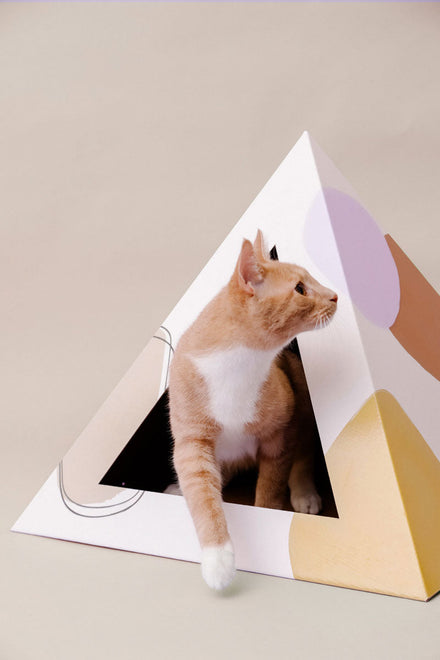
'Abstract' Cardboard Cat Pyramid

'Dark Paradise' Cardboard Cat Pyramid
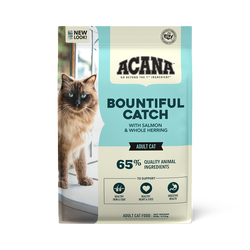
Acana Adult Bountiful Catch Cat Food
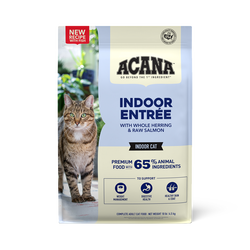
Acana Adult Herring and Salmon Indoor Entree Cat Food
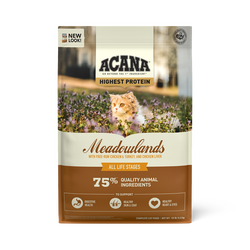
Acana All Life Stages Grain Free Meadowland Cat Food (4lb)

Acana Grain Free Chunks in Broth Beef & Tuna Wet Cat Food (3oz)

Acana Grain Free Chunks in Broth Lamb & Kidney Wet Cat Food (3oz)
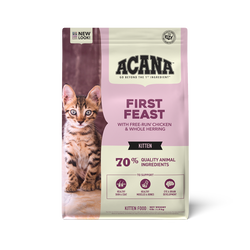
Acana Kitten First Feast Cat Food (4lb)
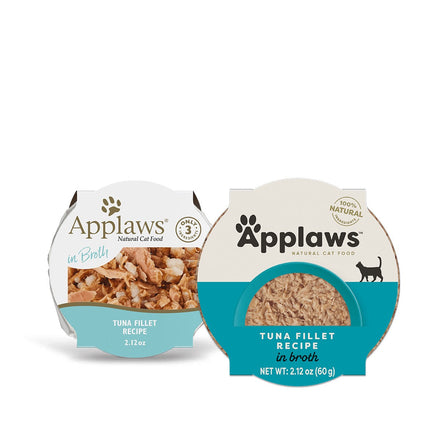
Applause Tuna Filet in Broth Wet Cat Food (2.12oz)
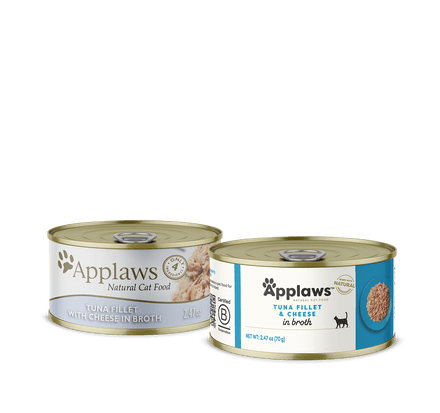
Applaws Adult Tuna Fillet and Cheese Wet Cat Food (2.47oz)
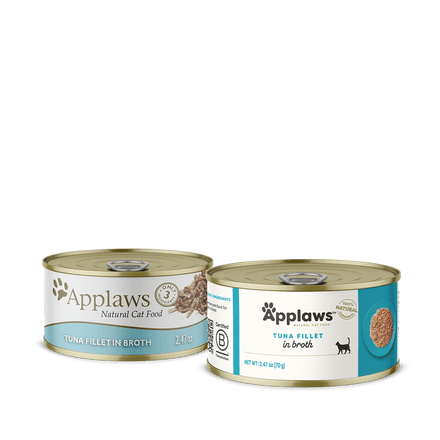
Applaws Adult Tuna Fillet in Broth Wet Cat Food (2.47oz)
48 Hour Starter Plan for New Kitten Owners: Checklist and Vet Timeline
Cat Nutrition Guide: Building a Species-Appropriate Diet From the Ground Up
Cat Dental Health: Why It Matters, What to Watch For, and How to Help at Home
Indoor Cat Enrichment: A Simple Weekly Plan That Keeps Cats Happy and Out of Trouble
Freeze Dried Cat Food: What It Is, Why It Matters, and How to Feed It
Why Your Cat Needs a Water Fountain (And How to Choose the Right One)
Kitten Nutrition Plan: 3 Age Based Feeding Stages for New Owners
Why Cardboard Boxes Are So Appealing to Cats
The whole guide, free to read right here — habitat, diet, lighting, troubleshooting and a first-48-hours quick start. No email required.
A cat does not need much from you, but it needs the right things, and most of them are different from what the internet and the pet aisle will tell you. Cats are obligate carnivores that evolved to hunt small prey, drink very little from a bowl, and hide every sign of weakness. That one-line description explains almost everything about how to keep one well: feed them meat-based, moisture-rich food, give them a quiet and well-organized home with places to climb, hide and scratch, play with them like the little hunters they are, and watch closely for the subtle changes that mean something is wrong. A well-kept indoor cat can share your home for 12 to 18 years or more, which makes this one of the longest relationships you will have with an animal. We keep cats ourselves here in Lancaster County, and this guide is written the way we would explain it to a neighbor over the fence: warm, plain-spoken, honest about the hard parts, and natural-first. Read the Quick Start before you bring your cat home, then keep this guide handy for the first year.
What needs to be in the house on day one, and what to look for in each category.
Ready to set up? Browse the essentials in our collections: Cat Bedding and Caves, Cat Scratching Posts and Towers and Cat Collar, Leash, Harness.
Enrichment, one click away. Shop Cat Toys.
The domestic cat (_Felis catus_) descends from the African wildcat, a small desert and scrubland hunter that lived on rodents, birds and lizards. Thousands of years beside people on farms and in homes have made cats affectionate with us, but the body underneath is still a small, efficient predator. Cats sleep 12 to 16 hours a day to save energy for short bursts of stalking, pouncing and play. They are most active at dawn and dusk, which is why your cat may sprint down the hallway at 5 a.m. A cat is a hunter to a mouse and prey to a coyote, so it instinctively hides pain. By the time a cat looks sick, it has usually been unwell for a while.
| Trait | Detail |
|---|---|
| Common name | Domestic cat |
| Scientific name | _Felis catus_ |
| Ancestry | African wildcat (_Felis lybica_) |
| Typical adult weight | 8–11 lbs for most domestic cats; some breeds are larger or smaller |
| Typical lifespan | 12–18+ years for indoor cats; outdoor cats live shorter lives on average |
| Activity pattern | Crepuscular: most active at dawn and dusk; sleeps 12–16 hours a day |
| Social structure | Flexible: many cats enjoy feline company, others prefer to be the only cat |
| Diet | Obligate carnivore — animal protein is required, and no vegan or vegetarian diet is safe |
| Communication | Body language, scent, slow blinks, purring, vocalizing; tail and ears tell most of the story |
| Vet care | Annual exam as a healthy adult; twice yearly for seniors |
An obligate carnivore is an animal whose body requires nutrients that are found only (or mostly) in animal tissue. Cats cannot manufacture or convert enough of certain nutrients from plants, so they must get them ready-made in their food. The four you will hear about most:
Animal protein. Cats burn protein for energy more than dogs or people do, and they cannot turn the dial down when the diet is low in it.
Taurine. An amino acid (a building block of protein) found in animal tissue, essential for heart muscle, vision and healthy reproduction. A cat deprived of taurine can develop a weak, enlarged heart and go blind. Every complete and balanced commercial cat food contains it.
Arachidonic acid. An essential fatty acid cats cannot make well from plant oils. It comes from animal fat.
Preformed vitamin A. Dogs and people can turn the beta-carotene in carrots into vitamin A. Cats cannot, so they need the finished vitamin from animal sources such as liver.
This is why a cat can never be vegan. It is also why "no mystery ingredients" matters so much for cat food: a short, clearly named, meat-first ingredient list is the easiest way to know your cat is getting what its body was built for.
One more carnivore trait shapes everything in this guide. Cats evolved in dry country and get most of their water from prey, which is about 70 percent water. A cat eating only dry kibble (about 10 percent water) does not automatically drink enough to make up the difference. Moisture-rich diets support the kidneys and urinary tract, and that is why you will find wet food, fresh food, rehydrated freeze-dried food and water fountains recommended throughout this guide.
An indoor cat with good care commonly lives 12 to 18 years, and some pass 20. Outdoor cats face cars, predators, infectious disease, fights and weather, and on average live far shorter lives. The ages below are a working guide that most vets use; cats age on a spectrum, and a healthy 12-year-old may act and feel younger than the numbers suggest.
| Life stage | Age | What changes | What to focus on |
|---|---|---|---|
| Kitten | Birth–12 months | Rapid growth, high energy, learning social and litter habits | Kitten formula or all-life-stages food, vaccine series, socialization, play, spay or neuter planning |
| Young adult | 1–6 years | Full size reached, peak energy | Portion control, daily play, annual exam, dental care habits |
| Mature adult | 7–10 years | Metabolism slows; weight creeps up | Watch body condition, annual exam with senior-leaning screening, keep play going |
| Senior | 11+ years | More sleep, stiffer joints, higher risk of kidney disease, thyroid disease and diabetes | Exams twice a year, blood and urine screening as your vet advises, easy-access litter boxes and beds |
| Geriatric | 15+ years | Pronounced aging; may lose weight and muscle, may become confused or vocal at night | Close monitoring, comfort, pain management, easy access to everything, frequent small meals |
The strongest case for keeping a cat inside is safety. Indoor cats avoid traffic, fights, predators, parasites, toxins, and infectious diseases such as FeLV, FIV and rabies. It is the main reason indoor cats live longer. The tradeoff is that an indoor cat depends on you for everything that outdoor life would provide: exercise, stimulation, hunting outlets and mental work. A bored indoor cat is the cat that overeats, overgrooms or shreds the sofa.
The good news is that you can give an indoor cat most of the upside of the outdoors without the risk. Window perches, bird feeders on the other side of the glass, a catio (a screened outdoor enclosure attached to a window or door), harness-and-leash walks, and daily wand play do a lot. If your cat does go outside unsupervised, make sure it is spayed or neutered, vaccinated, microchipped, and on parasite prevention from your vet, and bring it indoors at night.
Four things catch most first-time owners off guard. Cats hide discomfort, so small changes in appetite, litter box habits or hiding are important clues. Cats are picky about the bathroom: litter, box and cleanliness matter more than most people expect. Cats take play seriously; ten minutes of wand play twice a day is preventive care for weight, behavior and stress. And the relationship is long: a kitten adopted at 12 weeks can still be on your lap when today's toddlers are heading to college.
Cats do not need a large house. They need a well-organized one. The goal is a home where your cat can eat, drink, use the litter box, rest, climb, scratch, hide and watch the world without ever feeling cornered or competing with anything. If you could draw a room as a floor plan with labeled zones, this is what you would put on it.
In the wild, a cat would never eat where it toilets or sleep where it kills. Indoors, keep food, water and litter in separate spots, each in a quiet part of the house that your cat can approach without feeling trapped.
Feeding station. A quiet corner or the edge of a kitchen, away from the litter box and away from loud appliances. Put food on a flat mat that is easy to wipe clean. In a multi-cat home, give each cat its own bowl, spaced apart, so no cat feels guarded or bullied.
Water station. Place water in several spots, not right beside the food bowl (some cats avoid water next to food, instinctively linking it to contamination). A fountain or wide, shallow bowl in a second location, and a third on another level of the house, encourage drinking.
Litter stations. Quiet, low-traffic places with two exit routes if possible, not in a laundry room beside a thumping dryer and not in a closet with the door cracked. See the Litter Box Guide for details.
Cats see the world in three dimensions. Height means safety, an overview of the territory, and a way to avoid conflict with other pets without a fight.
Cat trees and tall shelves. At least one tall tree with a sturdy base, or a set of wall-mounted shelves forming a path from floor to near-ceiling. The best arrangements give your cat a route up and a different route down.
Window perches. Mount or place a perch where your cat can see outside. A window facing a bird feeder is the best television a cat can have.
The top of the fridge or a bookshelf. Your cat will find these on its own. Just make sure nothing breakable or dangerous sits there.
Scratching is normal and necessary. It removes dead nail sheaths, stretches the back and shoulders, and leaves scent and visual marks. You cannot stop a cat from scratching, but you can choose where. Provide tall, sturdy posts (tall enough for a full stretch, heavy enough not to wobble), sisal-wrapped for the best grip, and place them next to the furniture your cat is already scratching and near where it sleeps, since cats often stretch and scratch right after waking. Offer both vertical posts and horizontal pads, since cats have preferences.
A hiding place is a basic need, not a problem. Offer cardboard boxes, covered beds and cat caves in several rooms. A cat with nowhere to retreat stays on high alert, and chronic stress is linked to bladder inflammation, overgrooming and accidents.
Picture a main living room or bedroom with four labeled zones. In one corner, the rest zone: a bed and a hideout, tucked beside a window perch. Along the wall, the climbing zone: a tall cat tree and a shelf route near the ceiling. Across the room, the scratch zone: a tall sisal post beside the sofa or bed. And in a separate quiet room or hallway nook, the resource zone: food, water and a litter box, each some feet apart from each other and none in the same spot. Add one more water bowl and litter box on another floor if your home has stairs.
Walk the home at cat level. Secure or remove lilies and other toxic plants, string, yarn, hair ties, rubber bands, dental floss, loose cords, tinsel and loose window screens. Close the toilet lid, keep medications in closed cabinets, and store household chemicals, essential oil diffusers and dog flea products (see the toxic foods table) out of reach.
The litter box is where good cat ownership is won or lost. Cats are fastidious, and nearly every "behavior problem" with the bathroom turns out to be a box problem or a medical problem. Get the setup right and you will rarely think about it again.
The rule is one more box than the number of cats: one cat, two boxes; two cats, three boxes. They should not all sit side by side, because a row of boxes works as one big box to a cat. Spread them across the home, on every floor your cat uses, in quiet, low-traffic spots with an easy escape route. Keep them away from food and water, away from loud machines, and out of dead-end closets where a cat can feel ambushed by another pet or a child.
| Box style | Pros | Cons | Verdict |
|---|---|---|---|
| Large open (uncovered) box | Roomy, good airflow, easy to scan and scoop; most cats prefer it | Litter can scatter; odor is more obvious to you | Best default |
| Covered or hooded box | Hides the mess; reduces scatter | Traps odor inside for the cat; can feel cramped or like a trap | Use only if your cat clearly accepts it |
| High-sided box | Contains spray from males that urinate standing up | Hard for kittens, seniors and arthritic cats to enter | Good for healthy adults; avoid for seniors |
| Low-entry box | Easy for kittens and seniors | Litter can spill over | Best for young kittens and older cats |
| Self-cleaning or automatic box | Convenient for owners | Noise, moving parts and enclosed space frighten some cats | Introduce slowly; keep a plain box available |
| Storage-tote (DIY) box | Large and inexpensive | Needs an entry cut on one side | A fine budget option for big cats |
Size matters. A box should be about one and a half times the length of your cat from nose to the base of the tail. Most commercial boxes are smaller than that, which is why many cats prefer a large storage tote.
| Litter type | Pros | Cons | Verdict |
|---|---|---|---|
| Unscented clumping clay | Cheap, widely accepted, easy to scoop | Dusty; heavy | Safe starting point |
| Unscented clumping, low-dust | Same acceptance with less dust | Slightly higher price | Great for sensitive cats and owners |
| Plant-based clumping (corn, wheat, walnut, pine, grass) | Lightweight, often compostable by local rules | Texture varies; some cats dislike it; check labels for scent | Worth a trial in a second box |
| Non-clumping clay | Inexpensive | Poor odor control; urine pools; harder to monitor | Acceptable for tiny kittens; otherwise less useful |
| Silica crystal | Strong odor control; long-lasting | Hard texture some cats avoid; harder to see clumps | Try beside a standard box |
| Paper pellets | Soft, dust-free; suitable after surgery | Less odor control; cats sometimes dislike texture | A good choice for post-op recovery |
| Scented or perfumed litter | Smells nice to people | Cats find scents unpleasant; may cause avoidance | Avoid |
The best litter is the one your cat actually uses. Unscented clumping litter is the most accepted by cats, so start there. Fill to about 2 to 3 inches deep; many cats dislike very shallow or very deep litter. Never switch litters suddenly. Add a new litter to the old in a second box so your cat can choose.
Scoop at least once a day, and twice if you have more than one cat. A cat that has to pick between a dirty box and your bedroom rug is making a rational choice.
Do a full change and wash every one to two weeks: dump everything, scrub the box with mild unscented dish soap and hot water, rinse thoroughly, dry fully and refill. Skip harsh chemicals, ammonia products and strong scents. Ammonia smells like urine to a cat and may encourage marking. Plastic boxes absorb odors over time; replace them every year or so.
Litter aversion is when a cat stops using the box because it dislikes the litter, the box, the location or the cleanliness. It is one of the most common reasons cats end up in shelters. Rule out medical causes first: bladder infection or inflammation, crystals, kidney disease, arthritis, diabetes and constipation can all make a cat avoid the box, so call your vet before assuming it is behavioral, especially with straining, blood, large puddles or frequent small ones. Then look for stress (a new pet or baby, moved furniture, a stray cat outside the window), check the box (clean, large, uncovered, quiet, unscented), add extra boxes with different litters in different spots, and clean accidents with an enzymatic cleaner. Most cats improve once the cause is found.
Three numbers do more for a cat's long-term health than almost anything else you can buy: how much water your cat takes in, how lean it is, and how many calories it eats. Learn all three and write them on the fridge.
| The number | Target | How to measure or check | What goes wrong |
|---|---|---|---|
| Water intake | Roughly ¾ to 1 ounce of total water per pound of body weight per day, counting the water in food (a 10 lb cat needs about 8–10 oz) | Watch what the cat eats and drinks; note clump size in the litter box; check gums are moist and slippery | Too little: concentrated urine, urinary crystals, FLUTD, constipation, kidney strain. Too much: possible kidney disease, diabetes or hyperthyroidism |
| Body condition | 4 or 5 on the 9-point body condition score: ribs easy to feel under a thin fat layer, visible waist from above, slight tummy tuck from the side | Monthly hands-on check, and a weigh-in on a kitchen or baby scale; photograph from above and the side | Overweight (6+): diabetes, arthritis, urinary problems. Underweight (3 or less): illness, dental pain, hyperthyroidism, kidney disease |
| Calories | About 20 calories per pound of ideal body weight per day for an indoor adult as a starting point (a 10 lb cat is about 200 calories) | Read the calories per can or cup on the label (kcal); measure every meal; adjust by body condition every 2–4 weeks | Overfeeding: slow, steady weight gain. Underfeeding: weight loss, hunger, and fatty liver disease if a cat stops eating entirely |
Cats have a low thirst drive, so the diet matters more than the bowl. Wet or fresh food is about 70 to 80 percent water; dry kibble is about 10 percent, and a cat on mostly dry food rarely drinks enough to make up the gap. Feed wet or fresh food at least once a day, rehydrate freeze-dried food with warm water, and offer a fountain plus several wide bowls in different places. Normal output is a couple of decent urine clumps a day, not growing over weeks. Drinking much more, or urinating in much bigger clumps, is a red flag for kidney disease, diabetes or hyperthyroidism; mention it to your vet. Gums should be pink and moist. Skin tenting is unreliable in older or thin cats, so rely on gums and behavior.
Weigh yourself, then weigh yourself holding the cat, and subtract. Do it monthly and write it down. A change of more than about 10 percent over a few months is a reason to call your vet, and weight loss in a senior cat is never "just age." Also use your hands: you should feel the ribs easily, like the back of your hand with a thin layer of padding, not like a flat fist (too lean) or a mitten (too heavy). From above there should be a visible waist; from the side, a tucked belly. A loose belly pouch is normal in many cats and is not always fat, so trust the ribs.
The starting math is simple: ideal weight in pounds times about 20 equals daily calories for an indoor adult. A sedentary neutered cat may need slightly less, and an active young cat more. Kittens need roughly two to three times as much per pound. Treat the number as a starting point and adjust over two to four weeks based on body condition, with your vet. If your cat is overweight, ask for a safe weight-loss target; never crash-diet a cat, because rapid loss or stopping eating can cause a dangerous liver condition called hepatic lipidosis. Splitting calories into two to four measured meals controls weight and tells you immediately if appetite changes. Count treats in the total.
Feeding a cat well is mostly about three principles: animal protein first, moisture in every day, and measured portions. Our cat-blog philosophy is natural-first, fresh-first and stress-low: real, recognizable ingredients ("Clean Fuel, No Junk"), a short list with no mystery fillers, and meals served calmly, away from the litter box and other pets.
Look for a statement on the label that the food is complete and balanced for a specific life stage (growth, adult maintenance, or all life stages), based on AAFCO (Association of American Feed Control Officials) nutrient standards. Foods labeled "for intermittent or supplemental feeding only" are not meant to be a cat's main diet. Look for a named animal protein as the first ingredient, a clear calorie statement, and a manufacturer who will answer questions about nutrition.
| Food type | Moisture | Pros | Cons | Notes |
|---|---|---|---|---|
| Wet (canned or pouch) | ~75–80% | High moisture; easy to measure; most cats love it; good for urinary and kidney health | More expensive; opened cans spoil quickly | Excellent foundation for most cats |
| Dry (kibble) | ~10% | Convenient; cost-effective; shelf-stable; works in puzzle feeders | Low moisture; easy to overfeed; many are high in starch | Fine as part of the diet; feed measured portions and add water |
| Fresh (gently cooked, refrigerated or frozen) | ~65–75% | Real ingredients; high moisture and palatability | Cost; fridge or freezer space; must be complete and balanced | Our fresh-first favorite; confirm the label says complete and balanced |
| Freeze-dried | ~5% as sold; high once rehydrated | Lightweight; minimal processing; good for picky eaters | Often raw (pathogen risk); must be rehydrated with water | A good option rehydrated; offer water or broth to restore moisture |
| Raw (fresh or frozen) | ~65–75% | Natural ingredients and strong acceptance | Bacteria such as Salmonella, Listeria and E. coli put cats and the people around them at risk; bird flu has been linked to some raw products; difficult to balance at home | Many vets and public health groups advise against it; if you choose it, buy commercially formulated, complete and balanced products and use strict hygiene |
| Homemade cooked | ~65–75% | Control over ingredients | Cats can easily develop serious deficiencies (taurine, calcium, vitamins) from unbalanced recipes | Only with a recipe from a board-certified veterinary nutritionist |
Bottom line: feed a high-quality complete and balanced food, with at least half of your cat's diet as wet, fresh or rehydrated freeze-dried food. A mix of wet food and measured dry food works for plenty of healthy cats. If you want to feed raw or homemade, talk to your vet first; the pathogen risk and the balancing problem are both real.
Kittens (to 12 months). Feed a kitten formula or an all-life-stages food, because growing bodies need more protein, fat, calcium and calories. Offer three to four small meals a day until about six months, then two to three meals until a year. Keep the food the kitten came with for the first week, then switch to your choice gradually.
Adults (1–10 years). Two measured meals a day, or three smaller ones, with wet food as the base. Adjust calories by body condition. Indoor, neutered adults are prone to weight gain.
Seniors (11+). Many seniors need more protein, not less, to hold muscle; some need less phosphorus if kidneys are affected. Keep moisture high. Smaller, more frequent meals and warmed food are easier for cats with poor appetite. Your vet may recommend a therapeutic diet for kidney disease, urinary issues or diabetes. Use only what your vet prescribes.
Pregnant and nursing queens. Feed a kitten or all-life-stages formula, with free access to food. Ask your vet for guidance.
Cats resist change, and sudden switches cause diarrhea and food refusal. Over 7 to 10 days, blend the new food into the old: about 25 percent new for days 1–3, 50 percent for days 4–6, 75 percent for days 7–9, then 100 percent. Go slower for sensitive cats. If your cat refuses the new food, never withhold meals to force the switch: a cat that goes more than a day or two without eating is at risk of liver disease. Warm the food slightly and add a spoonful of the old food on top.
Free-feeding works for some lean, active cats but is a quick path to obesity for many others. Use measured meals: weigh or measure the food, divide the daily calories into portions, and pick up uneaten wet food after 30 minutes to an hour. Puzzle feeders and slow-feeding bowls help bored or fast eaters. In multi-cat homes, feed in separate spots if one cat steals from the others.
Treats should be less than about 10 percent of daily calories. For a 200-calorie diet, that is about 20 calories: a few freeze-dried bites or a lick of something tasty. Choose single-ingredient meat treats and avoid anything with artificial dyes or flavors. Play, not food, is the cure for boredom.
Water should be available at all times, ideally in a fountain and several wide bowls. Milk is not a nutritious drink for most adult cats. Many adult cats are lactose intolerant, and cow's milk causes diarrhea. A little plain bone broth without onion or garlic is fine on top of food.
| Item | Why it is dangerous | What to do |
|---|---|---|
| Lilies (Easter, tiger, Asiatic, stargazer and daylilies) | All parts are poisonous, including pollen and vase water. A nibble or even grooming pollen off fur can cause fatal kidney failure | Never keep them in a home with a cat. Treat any exposure as an emergency |
| Onions, garlic, chives, leeks | Damage red blood cells and cause anemia | Avoid all forms, including powders in baby food and broth |
| Chocolate and cocoa | Theobromine and caffeine affect the heart and nervous system | Keep out of reach; call your vet if eaten |
| Caffeine (coffee, tea, energy drinks) | Rapid heart rate, tremors, seizures | Keep out of reach |
| Grapes and raisins | Can cause kidney injury | Avoid entirely |
| Xylitol (sugar-free gum, candy, some peanut butter) | Can drop blood sugar and damage the liver | Check labels and call your vet immediately |
| Alcohol and raw bread dough | Alcohol depresses the nervous system; rising dough ferments in the stomach | Keep out of reach |
| Essential oils (tea tree, citrus, peppermint, eucalyptus, and others) | Absorbed through skin or inhaled; liver damage and neurological signs | Avoid diffusers and topical use around cats |
| Human pain relievers (acetaminophen, ibuprofen, naproxen) | Can cause fatal red blood cell and kidney damage | Never give; call your vet for any pain medicine question |
| Dog flea and tick products containing permethrin | Can be fatal to cats, even from a cat grooming a treated dog | Use only cat-labeled products; keep newly treated dogs from cats until dry |
| Other risks | Cooked bones, fat trimmings, string, raw fish as a staple | Avoid; they cause blockage, pancreatitis, or thiamine deficiency |
If you think your cat has eaten something toxic, call your vet or an animal poison hotline right away. Do not wait for symptoms, and do not induce vomiting unless told to.
Shop the food and supplies: Browse Cat food, Freeze Dried Cat Food and Cat Supplements.
Brushing removes loose hair (fewer hairballs), spreads skin oils, and lets you check for lumps, fleas and skin problems. Short coats: a quick weekly brushing with a rubber brush or fine comb. Medium and long coats: a few times a week to daily, with a slicker brush and metal comb worked through to the skin. Mats form behind the ears, under the legs and near the tail base; work them out gently or ask a groomer or vet to clip them. Never cut mats with scissors, since cat skin is thin and tears easily. Keep sessions short and end on a treat. Cats rarely need baths; if one gets into something sticky, use cat-safe shampoo and lukewarm water in a quiet room.
Trim the sharp tips every two to four weeks. Press the paw gently to extend the nail, and clip only the clear tip, well away from the pink quick, which has blood vessels and nerves. Start by touching paws during relaxed moments, and trim one or two nails at a time. Never declaw a cat. Declawing amputates the last bone of each toe and can cause chronic pain, biting and litter box problems. Scratching posts, trims and soft nail caps are the humane alternative.
By age three, most cats have some degree of dental disease, and it is a major source of hidden pain. The fix starts at home. Daily tooth brushing with a cat-safe enzymatic toothpaste (never human toothpaste) is the gold standard; introduce it slowly with a taste of toothpaste on your finger, then a finger brush, then a soft cat toothbrush. If daily brushing is not realistic, some dental diets, treats and water additives with the Veterinary Oral Health Council (VOHC) seal help, but none replace brushing and professional cleanings. Your vet will recommend professional dental cleanings under anesthesia as needed, usually with dental X-rays. Signs of trouble: bad breath, red gums, drooling, dropping food, chewing on one side, or pawing at the mouth.
| Care | What it is | Typical schedule |
|---|---|---|
| Wellness exam | Full physical, weight, teeth and heart check | Yearly for adults; twice a year for seniors 11+ |
| Core vaccines | FVRCP (feline distemper, herpesvirus and calicivirus) and rabies | Kitten series every 3–4 weeks to about 16 weeks, then boosters on your vet's schedule |
| FeLV testing and vaccine | Feline leukemia virus screening; vaccine based on lifestyle | Test new cats and kittens; vaccinate kittens and outdoor or at-risk cats as your vet advises |
| Parasite prevention | Flea, tick, heartworm and intestinal worm control | Year-round, using only products labeled for cats |
| Spay or neuter | Prevents unwanted litters, reduces marking, roaming and some cancers | Commonly by about 4–6 months; your vet will advise |
| Microchip | Permanent ID under the skin | Once; keep your registration current |
| Dental care | Home brushing and professional cleaning as needed | Daily brushing; cleanings per vet |
| Senior screening | Blood, urine and blood pressure testing | At least yearly for seniors, earlier if advised |
Parasite safety: use only cat-labeled flea and tick products, applied exactly as directed and never doubled up. Never apply a dog product to a cat. Permethrin, found in many dog spot-ons, is highly toxic to cats.
Scratching is normal and non-negotiable; give it a good outlet and the couch is left alone. Kneading is a leftover from nursing and means contentment. Slow blinks are the cat equivalent of a smile, so return them. Zoomies are normal bursts of energy, and bringing "gifts" is hunting instinct. Vocalization changes can signal illness: a cat that suddenly yells at night, meows far more than usual, or goes quiet may be in pain or confused. Hiding and appetite loss are red flags. Cats mask pain, so a change in routine is often the only clue.
| Signal | What it usually means |
|---|---|
| Tail straight up, tip curled | Friendly greeting, confident |
| Tail low or tucked | Fearful or unwell |
| Tail thrashing or twitching at the tip | Irritated or overstimulated; stop petting |
| Tail puffed, hair raised | Frightened or startled; give space |
| Ears forward | Interested, relaxed |
| Ears flattened sideways or back ("airplane ears") | Fear, anger or about to react |
| Slow blink | Trust and relaxation |
| Dilated pupils with a fixed stare | Excited, scared or about to pounce |
| Belly exposed | Trust, not always an invitation to touch it |
| Purring | Often contentment, but cats also purr when stressed or hurting |
Pick up with support under the chest and hips: slide one hand behind the front legs under the chest and the other under the hindquarters, and bring the cat to your body, so its weight is supported. Never lift by the scruff or by the front legs alone. Many cats prefer not to be carried at all; sit on the floor and let them climb into a lap. Pet where most cats like it, which is the cheeks, chin, base of the ears and along the back. Most cats dislike belly rubs and tail pulls. Stop when the tail twitches, the skin ripples or the ears flatten.
Scratches and bites. A cat that bites or scratches during petting is usually saying "enough." Never punish it. Back off, and next time stop sooner. Wash any cat bite or deep scratch immediately with soap and water; cat bites can carry bacteria that cause serious infection, and puncture wounds need medical attention.
Children. Teach children to let the cat approach, pet gently with one or two fingers, never grab the tail, and leave a cat alone when it is eating, sleeping, in a hiding spot or in the litter box. Supervise young children closely and never leave a baby alone with a cat.
Cats need two or more play sessions a day, about 10 to 15 minutes each, with a wand toy that mimics prey. Let the toy hide, dart and flutter, then let the cat catch it. End with a small meal or treat, so the sequence of hunt, catch, eat feels complete. Never use your hands as toys, and rotate toys weekly so each feels new.
Window watching with a bird feeder outside, puzzle feeders and food hidden around the house, cat trees and perches, harness and leash training for safe outdoor time (start indoors, a few minutes at a time), a catio or screened porch, cat-safe grass, boxes and tunnels for hide-and-pounce, and a steady routine with predictable feeding and play times.
Cats are creatures of habit. Moving, a new baby or pet, construction noise or even rearranged furniture can cause hiding, overgrooming, litter box avoidance and appetite loss. Keep routines steady, introduce changes gradually, and offer extra hiding and high spots. Pheromone diffusers help some cats. If signs persist, talk to your vet.
Indoor temperatures from about 65 to 80°F suit most cats. Provide shade and water in summer and warm beds in winter. Never leave a cat in a parked car; temperatures become dangerous within minutes, even on mild days. In cold weather, bring outdoor and community cats inside, and bang on the hood of your car before starting it, since cats sometimes shelter near the engine.
What you see: a male cat straining in the litter box with little or no urine, crying out, going back and forth to the box, licking at his genitals, hiding, vomiting or acting very lethargic. Why: crystals, mucus plugs or inflammation block the narrow urethra, which is far narrower in males. What to do: go to a vet or emergency clinic immediately. When to call a vet: right now, any hour. A fully blocked cat can die within one to three days from kidney failure and dangerously high potassium. Never wait to see if it passes.
What you see: frequent trips to the box, small amounts of urine, straining, blood in the urine, urinating outside the box, or excessive licking of the area. Why: FLUTD (feline lower urinary tract disease) is a group of bladder and urethral problems that includes stones, infection and stress cystitis, bladder inflammation triggered by stress and often linked to low water intake. What to do: increase moisture with wet food and fountains, reduce stress, keep boxes clean, and ask your vet about urinalysis and a therapeutic diet. When to call a vet: the same day for any straining or blood, and immediately if a male cat produces no urine.
What you see: increased drinking and urination, weight loss, poor appetite, vomiting, dull coat, bad breath. Why: chronic kidney disease (CKD) is a gradual loss of kidney function, very common in older cats. What to do: annual or twice-yearly blood and urine tests for seniors; keep water intake high with wet food and fountains; follow your vet's diet and medication plan. When to call a vet: at the first sign of changed thirst or weight. Early treatment extends good-quality years.
What you see: weight loss despite a big appetite, restlessness, increased thirst, loud vocalizing, vomiting, a messy coat. Why: hyperthyroidism is an overactive thyroid gland that speeds up the metabolism, usually in cats over 10. What to do: schedule a blood test; treatment options include medication, a prescription diet and radioactive iodine therapy. When to call a vet: within a week of noticing these signs; untreated, it strains the heart and kidneys.
What you see: increased thirst and urination, weight loss with a good appetite, lethargy, and sometimes weakness in the back legs (walking flat on the hocks). Why: the body cannot regulate blood sugar properly, often linked to obesity. What to do: your vet will recommend insulin, a low-carbohydrate diet and weight control, and some cats go into remission. When to call a vet: promptly with these signs; immediately for vomiting, extreme weakness or sweet-smelling breath.
What you see: ribs hard to feel, no waist, a swinging belly, reluctance to jump or groom. Why: too many calories, free-feeding, treats and too little play. What to do: measure meals, count treats, add wet food, use puzzle feeders and play daily, and ask your vet for a safe weight-loss plan. Slow loss is the goal, about 1 to 2 percent of body weight per week. When to call a vet: at the start of any diet; sudden appetite loss in an overweight cat needs immediate attention.
What you see: bad breath, red or bleeding gums, tartar, drooling, dropping food, chewing on one side. Why: plaque turns to tartar, inflaming the gums and sometimes causing painful tooth lesions. What to do: daily brushing and professional cleanings. When to call a vet: whenever you see these signs; cats rarely complain about tooth pain.
What you see: occasional coughing and the production of a tube-shaped wad of hair. Why: swallowed hair that did not pass through the gut. What to do: brush more often, feed adequate fiber and consider a hairball-control diet. When to call a vet: if your cat is retching without producing anything, vomiting frequently (more than once or twice a month), or has constipation. Frequent vomiting is not normal.
What you see: vomit or loose stools. Why: diet changes, eating too fast, hairballs, parasites, infections, pancreatitis, kidney disease, thyroid disease or an ingested object. What to do: for a single episode in an otherwise bright cat, offer small amounts of the usual food and water. When to call a vet: repeated vomiting, blood, lethargy, fever, no eating for 24 hours, or diarrhea lasting more than a day or two, and immediately if you suspect string or a toxin was swallowed.
What you see: sneezing, watery or colored eyes, nasal discharge, congestion, reduced appetite. Why: viruses like feline herpesvirus and calicivirus, and bacteria, spread between cats, especially in shelters and multi-cat homes. What to do: keep the cat warm, clean the eyes and nose with a damp cloth, offer strong-smelling wet food and a steamy bathroom. When to call a vet: if the cat stops eating, has thick or green discharge, or breathes with an open mouth; kittens decline fast.
What you see: scratching, small dark specks (flea dirt) in the fur, hair loss near the tail, or tiny jumping insects. Why: fleas travel in on people, other pets and the outdoors. What to do: use a vet-recommended cat-labeled preventive, wash bedding hot, and treat all pets and the home. When to call a vet: for kittens, heavy infestations, or any cat that is pale or weak.
What you see: bald patches, thinning fur on the belly or legs, constant licking, and sore skin. Why: stress, boredom, allergies, fleas, pain or skin problems. What to do: rule out medical causes first, then add play, hiding spots and a steady routine. When to call a vet: whenever you see bald spots or irritated skin.
What you see: urine or stool outside the box. Why: medical problems, litter aversion, a dirty or poorly located box, or stress. What to do: see the Litter Box Guide. When to call a vet: first, to rule out a medical cause, especially with straining, blood or big puddles.
What you see: hesitating before jumps, sleeping lower, missing the box, stiffness, irritability and less grooming. Why: degenerative joint disease is very common in older cats but often missed because cats hide pain. What to do: add ramps and steps, low-sided litter boxes and warm beds; ask about pain-relief options. When to call a vet: whenever mobility changes; never give human pain relievers.
What you see: hiding, loss of appetite, spraying, vocalizing, clinginess. Why: moving, new people or pets, noise, or routine changes. What to do: keep a safe room, steady routines, extra hiding places and high perches; introduce changes slowly. When to call a vet: if signs last more than a few days, or the cat stops eating.
| How often | What to do |
|---|---|
| Daily | Serve measured meals; refresh water and clean bowls |
| Daily | Scoop every litter box |
| Daily | Two play sessions of 10–15 minutes with a wand toy |
| Daily | Watch appetite, drinking, litter box output, energy and behavior; note anything unusual |
| Daily | Brush long-coated cats; quick check of eyes, nose and coat |
| Daily (ideal) | Brush teeth |
| Weekly | Brush short-coated cats; rotate toys |
| Weekly | Wash food and water dishes and fountain filter with hot soapy water |
| Every 1–2 weeks | Dump, wash and refill litter boxes |
| Every 2–4 weeks | Trim nails |
| Monthly | Weigh your cat and do a hands-on body condition check |
| Monthly | Give parasite prevention as your vet directs; check supplies |
| Monthly | Check the home for hazards: loose cords, toxic plants, loose window screens |
| Every 6 months | Senior cats (11+): wellness exam and screening; check the carrier and harness fit |
| Annually | Wellness exam, vaccines as your vet advises, dental check, parasite and weight review; update microchip registration and ID tag |
Cats hide illness, so by the time a symptom is obvious, the problem has often been going for a while. When you are unsure, call. A short phone call is always better than days of waiting.
Go today, as an emergency:
Book within a few days:
Find a vet before you need one, ask about after-hours emergency care, and keep the number of a 24-hour emergency clinic on your fridge.
Feed a complete and balanced food made for your cat's life stage, with a named animal protein as the first ingredient and the AAFCO statement on the label. Cats are obligate carnivores, so meat-based foods are essential, and moisture matters, so make wet, fresh or rehydrated freeze-dried food at least half of the diet. A mix of wet food and measured dry food works for many cats. Kittens need a kitten formula or an all-life-stages food. Raw diets carry pathogen risks, and homemade diets should only be done with a veterinary nutritionist's recipe. Transition to any new food gradually over 7 to 10 days.
A good starting point for an indoor adult is about 20 calories per pound of ideal body weight per day, so a 10-pound cat needs about 200 calories. Check the kcal on your food label to convert that into cans or scoops, and divide it into two to four measured meals. Treats should be under about 10 percent of daily calories. Then adjust based on your cat's body condition: you should feel the ribs easily and see a waist. Kittens, pregnant cats and active cats need more, and overweight cats need a vet-guided plan.
One more than the number of cats you have. One cat needs two boxes; two cats need three. Place them in quiet, separate spots on every floor your cat uses, away from food and water, and avoid putting them all in a row. Use large, uncovered boxes with unscented clumping litter, scoop daily, and wash the box every one to two weeks. Even a single-cat home benefits from the second box because it gives your cat a choice.
Always rule out a medical cause first, because urinary tract disease, kidney disease, diabetes, arthritis, constipation and pain can all cause accidents, so call your vet, especially if you see straining, blood or a male cat producing little urine (an emergency). If your vet finds no medical problem, look at the box setup: is it big enough, clean enough, uncovered, in a quiet spot, with unscented litter? Stress, new pets, and changes at home are common triggers, as is litter aversion. Add more boxes, try different litters in side-by-side boxes, and clean accidents with an enzymatic cleaner. Never punish the cat.
The most dangerous are lilies (every part, including pollen and vase water, can cause fatal kidney failure), onions and garlic, chocolate, caffeine, grapes and raisins, xylitol, alcohol and raw bread dough. Essential oils, human pain relievers such as acetaminophen and ibuprofen, and dog flea products containing permethrin are also dangerous and can be fatal. Milk is not a nutritious drink for most adult cats and can cause diarrhea. If your cat eats something suspicious, call your vet or a pet poison hotline right away, without waiting for symptoms.
Indoor cats commonly live 12 to 18 years, and some live into their 20s. Outdoor cats, on average, live shorter lives because of traffic, predators, fights and infectious disease. You can help your cat reach the upper end of the range by keeping it lean, feeding a moisture-rich diet, brushing its teeth, scheduling yearly exams (twice a year for seniors), keeping up with vaccines and parasite prevention, and spaying or neutering. Daily play and a low-stress home matter more than most people expect.
Many cats do not drink enough on their own, because they evolved to get most of their water from prey. Cats on dry food only need to drink much more than cats on wet food. Moisture-rich diets help support the kidneys and urinary tract. Feed wet or fresh food, rehydrate freeze-dried food with water, offer a fountain and several wide bowls in different places, and keep everything clean. If your cat suddenly drinks much more than usual, that is a reason to call your vet, since it can signal kidney disease, diabetes or hyperthyroidism.
It can be an excellent option when used well. Freeze-dried food is minimally processed, lightweight, and popular with picky eaters, and it counts as moisture-rich food only when you rehydrate it with water. Choose products that say complete and balanced for your cat's life stage, and remember that many freeze-dried foods are raw and can carry bacteria, so wash your hands, bowls and surfaces carefully and keep them away from young children and anyone with a weak immune system. Look for products with a kill step (such as high-pressure processing or cooking) if you are concerned, and check with your vet if you have an immunocompromised cat or household.
Take a healthy adult cat for a wellness exam once a year, and a senior cat (11+) twice a year. Kittens need a series of visits every three to four weeks until about 16 weeks old for vaccines, parasite checks and spay or neuter planning. Annual visits cover weight, teeth, heart, vaccines and parasite prevention, and for older cats may include blood and urine testing. Go in sooner for any change in eating, drinking, litter box habits, weight, energy or behavior, because cats hide pain.
Give your cat a safe, interesting home and a daily hunting outlet. Offer two or more play sessions a day (10 to 15 minutes each) with a wand toy, vertical space such as cat trees and shelves, window perches with a view, sturdy scratching posts, hiding spots, and puzzle feeders. Rotate toys, keep a steady routine, and keep resources separate and plentiful: food, water, litter and beds in different spots. A catio or harness-and-leash walks add safe outdoor time. Quiet affection on your cat's terms, including slow blinks, matters, too.
Ready to shop? Start with Cats!. 10% of every purchase supports no-kill animal shelters.
Before we earn a dime, 10% of every purchase at Walnut Creek Supply goes to no-kill animal shelters across the country. Not at checkout. Not as an option. Off the top of every order, every day, because we believe responsible pet ownership and community care are the same commitment made in two different directions.
That means something specific for cat people. Cats are among the most common animals in shelters, and many arrive because of problems that are fixable: a litter box issue, an unrecognized medical problem, or an owner who did not know what their cat needed. If you have read this guide, you already know more than most. You have a plan for water, a plan for the litter box, a plan for play, and a plan for the vet.
If you are in a position to adopt rather than shop, local shelters have wonderful adult cats and seniors who often get overlooked. They make the best companions.
We are a family business in Christiana, Lancaster County, Pennsylvania. We grow our own food, keep our own animals, and stock the clean-label, USA-made goods we would put in front of our own pets: no mystery ingredients, no cheap filler toys, and nothing that does not earn its place on the shelf. If you have a question about your cat's food, litter box setup, or enrichment, call us at (717) 983-8069. We would rather talk it through with you.
Welcome to 12, 15, maybe 20 years with one of the most remarkable companions you will ever have.
_From our family to yours,_ Walnut Creek Supply — Christiana, Lancaster County, Pennsylvania _walnutcreeksupply.com_
Feed a complete and balanced food made for your cat's life stage, with a named animal protein as the first ingredient and the AAFCO statement on the label. Cats are obligate carnivores, so meat-based foods are essential, and moisture matters, so make wet, fresh or rehydrated freeze-dried food at least half of the diet. A mix of wet food and measured dry food works for many cats. Kittens need a kitten formula or an all-life-stages food. Raw diets carry pathogen risks, and homemade diets should only be done with a veterinary nutritionist's recipe. Transition to any new food gradually over 7 to 10 days.
A good starting point for an indoor adult is about 20 calories per pound of ideal body weight per day, so a 10-pound cat needs about 200 calories. Check the kcal on your food label to convert that into cans or scoops, and divide it into two to four measured meals. Treats should be under about 10 percent of daily calories. Then adjust based on your cat's body condition: you should feel the ribs easily and see a waist. Kittens, pregnant cats and active cats need more, and overweight cats need a vet-guided plan.
One more than the number of cats you have. One cat needs two boxes; two cats need three. Place them in quiet, separate spots on every floor your cat uses, away from food and water, and avoid putting them all in a row. Use large, uncovered boxes with unscented clumping litter, scoop daily, and wash the box every one to two weeks. Even a single-cat home benefits from the second box because it gives your cat a choice.
Always rule out a medical cause first, because urinary tract disease, kidney disease, diabetes, arthritis, constipation and pain can all cause accidents, so call your vet, especially if you see straining, blood or a male cat producing little urine (an emergency). If your vet finds no medical problem, look at the box setup: is it big enough, clean enough, uncovered, in a quiet spot, with unscented litter? Stress, new pets, and changes at home are common triggers, as is litter aversion. Add more boxes, try different litters in side-by-side boxes, and clean accidents with an enzymatic cleaner. Never punish the cat.
The most dangerous are lilies (every part, including pollen and vase water, can cause fatal kidney failure), onions and garlic, chocolate, caffeine, grapes and raisins, xylitol, alcohol and raw bread dough. Essential oils, human pain relievers such as acetaminophen and ibuprofen, and dog flea products containing permethrin are also dangerous and can be fatal. Milk is not a nutritious drink for most adult cats and can cause diarrhea. If your cat eats something suspicious, call your vet or a pet poison hotline right away, without waiting for symptoms.
Indoor cats commonly live 12 to 18 years, and some live into their 20s. Outdoor cats, on average, live shorter lives because of traffic, predators, fights and infectious disease. You can help your cat reach the upper end of the range by keeping it lean, feeding a moisture-rich diet, brushing its teeth, scheduling yearly exams (twice a year for seniors), keeping up with vaccines and parasite prevention, and spaying or neutering. Daily play and a low-stress home matter more than most people expect.
Many cats do not drink enough on their own, because they evolved to get most of their water from prey. Cats on dry food only need to drink much more than cats on wet food. Moisture-rich diets help support the kidneys and urinary tract. Feed wet or fresh food, rehydrate freeze-dried food with water, offer a fountain and several wide bowls in different places, and keep everything clean. If your cat suddenly drinks much more than usual, that is a reason to call your vet, since it can signal kidney disease, diabetes or hyperthyroidism.
It can be an excellent option when used well. Freeze-dried food is minimally processed, lightweight, and popular with picky eaters, and it counts as moisture-rich food only when you rehydrate it with water. Choose products that say complete and balanced for your cat's life stage, and remember that many freeze-dried foods are raw and can carry bacteria, so wash your hands, bowls and surfaces carefully and keep them away from young children and anyone with a weak immune system. Look for products with a kill step (such as high-pressure processing or cooking) if you are concerned, and check with your vet if you have an immunocompromised cat or household.
Take a healthy adult cat for a wellness exam once a year, and a senior cat (11+) twice a year. Kittens need a series of visits every three to four weeks until about 16 weeks old for vaccines, parasite checks and spay or neuter planning. Annual visits cover weight, teeth, heart, vaccines and parasite prevention, and for older cats may include blood and urine testing. Go in sooner for any change in eating, drinking, litter box habits, weight, energy or behavior, because cats hide pain.
Give your cat a safe, interesting home and a daily hunting outlet. Offer two or more play sessions a day (10 to 15 minutes each) with a wand toy, vertical space such as cat trees and shelves, window perches with a view, sturdy scratching posts, hiding spots, and puzzle feeders. Rotate toys, keep a steady routine, and keep resources separate and plentiful: food, water, litter and beds in different spots. A catio or harness-and-leash walks add safe outdoor time. Quiet affection on your cat's terms, including slow blinks, matters, too.
Every cat article we've published, in one place.