

Leaving already?
Can we tempt you with 5$ off your first order?
Min Order of $50


Care Guide & Supplies
Adult dogs thrive on balanced nutrition, consistent exercise, enrichment, and regular vet checkups. Find everything your grown dog needs here.
Habitat, diet, lighting, troubleshooting and a first-48-hours quick start. Free, no email required — from our family in Lancaster County to yours.

Acana Dog Grain Free Freeze-Dried Morsels Free Run Turkey Recipe 8oz.

Acana Dog Grain Free Freeze-Dried Morsels Ranch Raised Beef Recipe 8oz.

Acana Dog Grain Free Freeze-Dried Patties Farm Raised Beef Recipe 14oz.

Acana Dog Grain Free Premium Chunks Lamb Recipe In Bone Broth 12.8oz. (Case of 12)

Acana Dog Grain Free Premium Chunks Pork Recipe In Bone Broth 12.8oz. (Case of 12)
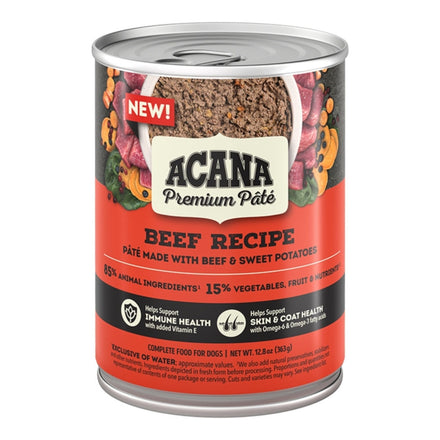
Acana Dog Grain Free Premium Pate Beef Recipe In Bone Broth 12.8oz. (Case of 12)

Dog Owners: 5 Checks to Spot Misleading Dog Food Labels in the Aisle

Prevent Dog and Cat Fights: 3-3-3 Rule and 5–10 Minute Sessions

Start Your First 72 Hours Right: New Dog Checklist for Adopters

95–97% vs 60–75%: Vet-Backed Freeze-Dried or Dehydrated Dog Food for Dog Owners

Dog Owners: Vet Supervised 8 to 12 Week Dog Allergy Diet Trial

Dog Owners: 15 Minute DIY Paw Balm and Vet Safe Wax vs Butter Use

Pumpkin for Dogs: 4 Vet Recommended Doses by Dog Size

Veterinary Take on Raw Dog Food: Why 95% of DIY Plans Fail for Dog Owners
The whole guide, free to read right here — habitat, diet, lighting, troubleshooting and a first-48-hours quick start. No email required.
The puppy years are a blur of chewed shoes and midnight potty trips, and the senior years come with their own tender kind of care. In between sits the stretch that most dogs spend the longest in: the prime adult years, roughly from age one or two until the senior stage begins (which comes much earlier for a giant breed than for a little terrier). These are the years when your dog is fully grown, fully themselves, and ready for just about anything you are. They are also the years when quiet habits decide a dog's future. The extra five pounds that creep on, the teeth that never get brushed, the walks that shrink to a lap around the yard: none of it looks like a problem in the moment, and all of it adds up. This guide is written for the person who shares a home with an adult dog, whether that dog has been yours since puppyhood, came from a shelter last week, or showed up on your porch with a story nobody will ever fully know. We will cover the first 48 hours with a newly adopted adult, then settle into the everyday work of feeding, exercise, training, grooming, and preventive care. Think of it as a neighbor's advice, shared over the fence: practical, honest, and always happy to say "ask your vet about that one." We are not veterinarians, and nothing here replaces the person who has examined your actual dog. Use this guide to ask better questions and notice more, and let your vet make the medical calls.
This section is for a newly adopted or newly acquired adult dog. If your dog has lived with you for years, skim it for the ideas about routine, then jump ahead to Meet Your Adult Dog.
Here is the most important thing to know up front: a new adult dog does not arrive as the dog you will eventually have. The dog who walks through your door is stressed, unsure, and possibly exhausted. Many rescue groups and trainers describe a rough guide called "3 days, 3 weeks, 3 months." In the first three days a dog is often overwhelmed and may seem shut down, nervous, or oddly perfect. Around three weeks they begin to learn the routine and relax, and their real personality (including the quirks) starts to show. By about three months many dogs feel truly at home and trust that this is their place. Treat that as a loose guide, not a rule. Some dogs settle in a weekend; some take half a year. Neither is a failure.
A dog from a shelter, a rescue, or a rehoming often arrives with little or no background. That is fine. Think of the first month as a getting-to-know-you period. You may see a dog who:
You are not obligated to fix everything in 48 hours. Your job in the first days is simple: be safe, be calm, be predictable.
What to have in the house before your adult dog arrives, and what to look for in each category.
Ready to set up? Browse the essentials in our collections: Dog Food, Dog Harness, Collar & Tag and Dog Beds.
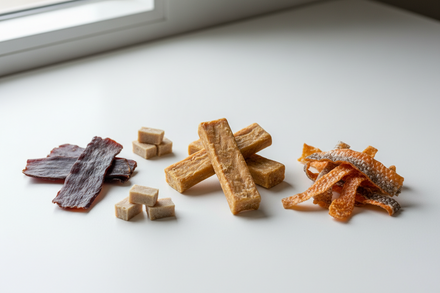
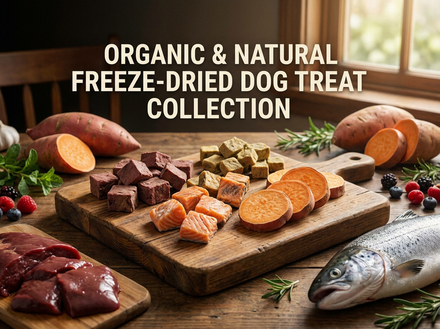
Enrichment, one click away. Shop Dog Toys and Dog Treats.
All domestic dogs belong to one species, _Canis lupus familiaris_, and are shaped by thousands of years of living beside people. What a dog looks like on the outside tells you a little about their history, but not as much as you might think about the dog on the inside. Two dogs of the same breed can be wildly different, and a mixed-breed dog from a shelter may behave nothing like the breed mix suggested on the paperwork. Size, on the other hand, tells you quite a lot about how your dog will age, so we group dogs by size here.
| Size | Typical adult weight | Example body type | Typical adult lifespan |
|---|---|---|---|
| Small | Under 25 lbs | Terrier, toy, and small companion types | Often 12 to 16 years |
| Medium | About 25 to 50 lbs | Spaniel, beagle, and many herding types | Often 10 to 14 years |
| Large | About 50 to 90 lbs | Retriever, shepherd, and many working types | Often 9 to 12 years |
| Giant | Over about 90 lbs | Mastiff, wolfhound, and giant working types | Often 6 to 10 years |
These ranges are approximate. Individual dogs vary widely, and genetics, weight, dental health, and veterinary care all play a part. The general pattern, that smaller dogs usually live longer than giant ones, is well known, but no one can promise how long your dog will live.
Most dogs are physically adult somewhere between 1 and 2 years old, with smaller dogs maturing sooner and giant breeds taking up to two years or a bit more. Emotional maturity often lags behind; plenty of dogs act like teenagers until they are two or three. Senior status varies with size, and vets often use rough ranges like these:
| Size | Approximate start of senior years |
|---|---|
| Small | Around 10 to 12 years |
| Medium | Around 8 to 10 years |
| Large | Around 7 to 9 years |
| Giant | Around 5 to 7 years |
These are guides, not rules. Your vet may recommend a shift to senior-style wellness screening earlier or later based on your dog's health. This guide stops where the senior stage begins, so if your dog is slowing down, stiff on stairs, or needing more naps, talk to your vet about senior care.
Breed gives you a head start on what a dog was shaped to do: herd, hunt, retrieve, guard, hold still on a lap. But two things matter more than a label.
If you adopted a mixed-breed dog, a DNA test can be fun and sometimes useful for health conversations with your vet, but treat the results as a hint, not a prediction. Spend a few weeks watching what your dog actually does. Do they sniff for hours? Stare at moving things? Shake a toy to pieces? Those habits tell you what they need.
Adult dogs thrive on rhythm. They do not read clocks, but they read patterns: the sound of the kettle, the jingle of keys, the particular shuffle that means a walk is coming. A steady routine lowers stress, makes house manners easier, and makes it much easier for you to notice when something is off.
This is a framework, not a prescription. Adjust it around your work hours and your dog's energy.
| Time of day | What happens |
|---|---|
| Early morning | Potty break, fresh water, first meal (or half the daily portion), a sniffing walk |
| Mid-morning | Quiet rest or nap in a favorite spot, a chew or a puzzle toy while you work |
| Midday | Potty break and a short walk or play session; a mid-day visit from you or a trusted walker if you are away for long hours |
| Afternoon | Rest, light training practice (five minutes), another potty break |
| Early evening | Main walk or play session, second meal (or the other half of the daily portion) |
| Evening | Calm time together, brushing or a gentle cuddle, a last potty break |
| Night | Sleep in a quiet, comfortable spot, close to the family if that helps your dog feel secure |
Most healthy adult dogs do well with a potty break at least every 4 to 6 hours during the day, though many can go longer. Dogs should never be expected to "hold it" for a full workday on a regular basis. If you work long shifts, a midday walker, a friend, or a doggy daycare can make a big difference.
Adult dogs generally sleep about 12 to 14 hours a day in short naps. A dog who sleeps far more or less than usual is worth a call to the vet.
Heat. Dogs cool themselves mainly by panting, which is far less efficient than human sweating. Never, under any circumstances, leave a dog in a parked car, even for "just a minute" and even with the windows cracked. A car's interior can reach dangerous temperatures within minutes on a day that feels pleasant. On warm days, walk early or late, provide shade and cool water, and slow down. Flat-faced breeds, heavy-coated breeds, overweight dogs, and dogs with heart or airway problems are at higher risk. See the heat stress entry in Common Challenges & Solutions.
Hot pavement. If the pavement is too hot for the back of your hand to rest on for five seconds, it is too hot for your dog's paws. Walk on grass or in the shade, or wait until evening.
Cold. Short-coated, small, or older dogs may need a coat and shorter outings. Wipe paws after walks on de-iced sidewalks, since the chemicals irritate paws and can upset the stomach if licked.
Water safety. Not every dog is a swimmer, and even strong swimmers tire. Introduce water gradually, use a well-fitted canine life jacket on boats and in open water, and never leave a dog unattended near a pool, pond, or river. Avoid stagnant ponds, where algae blooms can be toxic. If your dog swims in a natural pond, ask your vet about leptospirosis (a bacterial infection from contaminated water and wildlife urine) and whether a vaccine makes sense for you.
Car travel. Dogs should be restrained in a crash-tested harness attached to the seat belt system or in a secured crate, never loose in the cab and never in the open bed of a pickup truck. A dog hanging out of a window can be hit by debris. Plan for stops every couple of hours with water and a potty break.
Children and dogs. Even the sweetest dog needs rules around children, and the best tool is supervision. Teach kids to approach calmly, pet gently along the body rather than hugging the head and neck, never disturb a dog who is eating, sleeping, or in their bed, and never to climb on the dog. Teach the family to notice when a dog is uncomfortable: lip licking, yawning, turning away, a stiff body, or showing the whites of the eyes. Never leave a young child alone with any dog, no matter how gentle the dog is.
A tired dog is a good dog, but a mentally satisfied dog is better. Physical exercise keeps a dog fit, but mental work is what keeps the sofa cushions intact.
Exercise needs vary with age, breed type, fitness, and health. These are starting ranges for a healthy adult. Your vet can adjust them if your dog has joint, heart, breathing, or weight concerns.
| Energy level | Examples of typical dogs | Daily walk and active play | Notes |
|---|---|---|---|
| Low | Many giant breeds, some toy and flat-faced breeds, mellow couch-loving mixes | About 30 to 45 minutes total | Short, easy outings; avoid hard exercise in heat |
| Moderate | Many small companion dogs, spaniels, and mixed breeds | About 45 to 75 minutes total | Mix of walks, sniffing, and a play session |
| High | Many retrievers, shepherds, pointers, and terrier types | About 60 to 120 minutes total | Add running, fetch, swimming, or hiking once fully conditioned |
| Very high | Many herding, working, and sporting dogs bred for long days | Often 90 minutes or more, plus real jobs | Need structured outlets such as training, sports, or scent work |
These are approximate. Watch your dog, not the clock. A dog who is destructive, hyper in the evening, or constantly bugging you for attention may need more. A dog who is limping, lagging, or panting hard may need less.
A dog's nose is their main tool for understanding the world. A "sniffari," where you let your dog lead the pace and stop wherever they like, can be more satisfying than a brisk power walk. Try letting your dog choose the route at some intersections. Ten minutes of good sniffing can tire a dog out more than twenty of trotting past everything.
Dogs were developed for different jobs, and the old jobs still show up in the living room. Use these as clues, remembering that mixed-breed dogs may show several at once.
| Group | What they were bred to do | What they often need | Common behavior to watch |
|---|---|---|---|
| Herding | Move and control livestock | Daily running, training, and a job to do | Nipping at heels, circling, staring, chasing cars or bikes |
| Hound | Track by scent or chase by sight | Sniffing time, secure fencing, long walks | Following their nose, baying, wandering off, ignoring recall |
| Working | Guard, pull, or protect | Structured exercise, training, and socialization | Guarding, size-related strength, strong opinions |
| Sporting | Find and retrieve game | Swimming, fetch, long outings, and mental jobs | Carrying things in the mouth, high energy, bounciness |
| Terrier | Hunt small animals and vermin | Digging outlets, play, and training games | Digging, chasing small animals, tenacity, barking |
| Toy | Companions in the lap | Short walks, play, gentle training, and company | Small-dog habits such as barking, being carried too much, or becoming clingy |
Toy dogs still need walks, training, and manners. A little dog who is carried everywhere can become nervous and underexercised.
If there is one thing that can add healthy years to your adult dog's life, it is keeping them lean. Many veterinary sources report that overweight and obese dogs are very common, and excess weight is linked to joint trouble, breathing problems, and other health issues. The good news is that this is one of the few areas where owners have enormous power.
Vets use a 9-point body condition scale, where 1 is severely underweight, 9 is severely obese, and the ideal is around 4 to 5. The scale is more useful than the number on the bathroom scale because dogs vary so much in frame size.
| Score | What it looks like | What it means |
|---|---|---|
| 1 to 3 | Ribs, spine, and hip bones easy to see; no fat covering; a sharply tucked belly | Underweight; see your vet |
| 4 to 5 | Ribs easy to feel with light pressure; clear waist from above; belly tucked up from the side | Ideal range |
| 6 to 7 | Ribs harder to feel under a layer of fat; waist barely visible; no obvious tuck | Overweight; time to adjust |
| 8 to 9 | Ribs very hard to feel; no waist; rounded belly; fat deposits on back and base of tail | Obese; plan with your vet |
Long or thick coats can hide weight gain, so rely on your hands. Take a monthly photo from above, and weigh your dog regularly. Many vet clinics will let you stop in and use the scale for free.
Calorie needs depend on weight, age, neutered status, activity, and metabolism. Package feeding guides are a starting point, not a prescription. Many veterinary sources use a formula based on resting energy requirement and multiply it by a factor for the dog's life stage, and that estimate is exactly that, an estimate. The practical approach:
Measure food with a proper measuring cup or, better, a kitchen scale. A "scoop" can vary by a surprising amount, and a few extra kibbles daily add up over months.
Keep treats to under about 10 percent of daily calories, and subtract them from the meal portions. Training treats should be pea-sized. Healthy options include small pieces of cooked lean meat, a few green beans, carrot sticks, or blueberries, as long as your dog tolerates them. Dog-safe foods still count.
| Item | Typical adult guideline | Notes |
|---|---|---|
| Body condition | 4 to 5 out of 9 | Check monthly by feel and sight |
| Meals | Two per day for most adults | Some dogs do fine with one; ask your vet |
| Treats | Under about 10 percent of daily calories | Count them in the daily total |
| Water | Roughly 1 ounce per pound of body weight per day, often more in heat or after exercise | Always available and fresh; sudden big changes are worth a vet call |
| Exercise | About 30 to 120 minutes depending on energy level | See the exercise table |
| Sleep | About 12 to 14 hours | Large dogs often sleep more |
| Potty breaks | At least every 4 to 6 hours | Healthy adults may stretch longer |
A sudden change in how much your dog drinks or urinates is worth a call to your vet. So is a gradual change in weight, even if the dog seems fine.
Good food is the foundation, and the label tells you more than the front of the bag does. Our philosophy is simple: Clean Fuel, No Junk. Choose a food made for your dog's life stage, from ingredients you can understand, with a company that answers your questions.
Look for the nutritional adequacy statement on the label. In the United States, AAFCO (the Association of American Feed Control Officials) sets model standards, and a quality food states that it is "complete and balanced" for adult maintenance (or for "all life stages"), either by meeting the standard's nutrient profiles or by passing feeding trials. A food without this statement, such as a treat or a topper, is not meant to be the whole diet. Large and giant breeds do best on foods formulated with their needs in mind, and your vet can guide you.
| Type | What people like | What to watch | Notes |
|---|---|---|---|
| Dry (kibble) | Convenient, shelf-stable, usually the most affordable, helps with portion control | Calorie-dense, so easy to overfeed | Store in a cool, dry place in the original bag |
| Wet (canned) | Highly palatable, high moisture, helpful for picky eaters | Can be costly for large dogs; refrigerate leftovers | Often mixed with dry food |
| Fresh cooked (commercial) | Real-food appeal, appealing to picky eaters | Cost, refrigerator or freezer space; confirm that the food is complete and balanced | Look for the adult maintenance statement |
| Freeze-dried or dehydrated | Lightweight, minimally processed, loved by many dogs | Cost; follow rehydration directions; confirm completeness | Raw versions share the raw-food cautions below |
| Raw | Owners often report shiny coats, smaller stools, and enthusiasm at mealtime | Pathogens such as Salmonella and Listeria can affect the dog and the people in the home; a risk of unbalanced diets | Discuss with your vet before starting; strict kitchen hygiene is essential |
| Homemade | Control over ingredients | Easy to get nutrient ratios wrong over time | Work with your vet or a board-certified veterinary nutritionist to use a complete recipe |
We are not here to pick a winner. Plenty of dogs do beautifully on a quality kibble or a mix of types, and what matters most is that the diet is complete and balanced, fits your dog's calorie needs, and agrees with their digestion. If you are drawn to raw or homemade feeding, please be honest with yourself about the risks (bacteria that can sicken people as well as dogs, bone hazards, and nutritional gaps) and bring your vet in on the plan. Whatever you choose, "no mystery ingredients" is a good rule.
Switch over 7 to 10 days, or longer for sensitive dogs. See the FAQ for a sample schedule. Sudden changes are the most common cause of food-related diarrhea.
Most adult dogs do well with two measured meals a day, roughly 8 to 12 hours apart. Some owners prefer one meal, and some dogs (especially deep-chested breeds) benefit from smaller, more frequent meals; ask your vet. Free-feeding, or leaving food out all day, makes it hard to monitor appetite and often leads to weight gain. Pick up the bowl after 15 to 20 minutes. A dog who suddenly refuses meals for more than a day is worth a call to the vet.
Puzzle feeders, snuffle mats, and slow-feeder bowls slow down fast eaters and add mental work to mealtime.
A few dog-safe extras (plain cooked lean chicken without seasoning, plain green beans, carrot, plain cooked egg, blueberries, plain pumpkin) can be nice treats within the 10 percent allowance. Introduce one new food at a time.
Some everyday foods are dangerous. Never feed these:
| Food | Why it is a problem | Notes |
|---|---|---|
| Xylitol (a sugar substitute) | Can cause a dangerous drop in blood sugar and liver damage, even in small amounts | Found in some sugar-free gum, candy, baked goods, mints, and some peanut butters; always check the label |
| Chocolate and cocoa | Contains theobromine and caffeine, which affect the heart and nervous system | Darker chocolate and baking chocolate are the most dangerous |
| Grapes and raisins | Can cause kidney failure in some dogs, and the toxic dose is not predictable | Includes currants and foods that contain them |
| Onions, chives, and leeks | Can damage red blood cells | Cooked, raw, and powdered forms are all a concern |
| Garlic | Same family; can damage red blood cells | Treat as unsafe, and check labels on prepared foods |
| Macadamia nuts | Can cause weakness, tremors, and vomiting | Watch cookies and trail mix |
| Alcohol and raw yeast dough | Alcohol is toxic, and rising dough can expand in the stomach and produce alcohol | Keep drinks and bread dough out of reach |
| Cooked bones | Can splinter and cause choking or injury | Ask your vet about safe chews instead |
Other hazards include caffeine, very fatty table scraps (which can trigger pancreatitis, a painful inflammation of the pancreas), corn on the cob, and moldy food. If you suspect your dog ate something dangerous, call your vet, the ASPCA Animal Poison Control at (888) 426-4435, or the Pet Poison Helpline at (855) 764-7661 right away. Do not wait for symptoms, and do not induce vomiting unless a professional tells you to.
Shop the food and supplies: Browse Dry Dog Food and Dog Wet Food.
An adult dog can learn almost anything a puppy can, and often faster. The methods that work best are the kind ones.
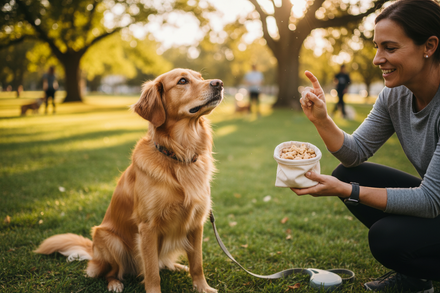
Reward what you like, and your dog will do it more. Rewards can be small treats, a toy, a favorite game, or praise. Keep training sessions short (five minutes, a few times a day), end on a success, and keep your tone upbeat. Avoid methods based on pain, fear, or intimidation. They can make behavior problems worse, damage trust, and increase aggression. Mark the right moment with a word like "yes" or a clicker, then reward.
Pulling is the most common leash complaint, and the fix is simple but takes practice: the walk goes forward only when the leash is loose. When the leash tightens, stop. When it slackens, move on. Reward your dog for staying near you. A well-fitted front-clip harness can help while you train. Practice in quiet places first and let your dog sniff as a reward.
A reliable "come" can save a life. Use a happy voice, a special treat that is reserved for recall, and practice on a long line. Reward every single time, never call your dog to something unpleasant, and keep your dog on leash or in a fenced area until recall is solid.
Reactivity. Barking, lunging, or growling at other dogs, people, or bikes is usually fear or frustration, not "dominance." Create distance, reward calm behavior, and practice from far enough away that your dog can still think. Reactive dogs need a patient plan, and a trainer can help.
Separation distress and boredom destruction. These look alike but have different causes. Separation distress shows as panting, pacing, drooling, howling, or house soiling shortly after you leave, even with plenty of exercise. Boredom destruction usually happens in dogs who are under-exercised and under-stimulated. See Common Challenges & Solutions.
Resource guarding. Growling, stiffening, or snapping over food, toys, or beds is a warning, and an honest one. Never punish a growl. Give the dog space, trade up for something better, and never take items by force. Ask a professional for help early.
Fear of storms and fireworks. Set up a safe den, play steady background sound, stay calm, and ask your vet about options well before the next storm or holiday. Do not wait until the fireworks begin.
Look for a certified professional trainer who uses reward-based methods and ask about their credentials and approach. If your dog has aggression, severe anxiety, or behavior that came on suddenly, start with your vet to rule out pain or illness. Your vet can discuss a referral to a veterinary behaviorist when needed. Not every dog problem is training, and not every problem needs a behaviorist, but nobody should have to face aggression or severe anxiety alone.
| Coat type | Examples | Brushing | Notes |
|---|---|---|---|
| Short and smooth | Many hounds, terriers, and pointers | Weekly | A rubber brush or mitt removes loose hair |
| Double coat | Many shepherds, retrievers, and northern breeds | Several times a week, daily during shedding | Do not shave a double coat unless a vet or groomer advises it |
| Long and silky | Setters and many toy breeds | Daily or every other day | Work out tangles gently, starting at the ends |
| Curly or wool | Poodle types and doodle mixes | Every day or two | Matting happens fast; regular professional grooming is usually needed |
| Wire | Many terriers | A few times a week | Often needs hand-stripping or professional upkeep |
Most dogs need a bath only every one to three months, or when they get dirty. Use a shampoo made for dogs, rinse thoroughly, and dry well, particularly in skin folds and ears. Frequent bathing can dry out the skin; ask your vet if your dog has a skin problem.
Trim every 3 to 4 weeks, or when you hear nails clicking on the floor. Cut small amounts at a time. Dark nails have a blood vessel (the quick) that is hard to see, so trim little by little. Keep styptic powder handy. A grinder is a good option for nervous dogs. Dewclaws, if present, need trimming too.
Check ears weekly. Healthy ears are pale pink, mostly clean, and not smelly. Wipe the visible part with a dog-safe ear cleaner and cotton, never a cotton swab inside the canal. Floppy-eared, swimming, and allergic dogs get ear infections more often.
Dental disease is one of the most common health issues in adult dogs, and bad breath is not normal. Aim to brush your dog's teeth daily, or at least several times a week, using a dog toothbrush and dog toothpaste. Start slowly (see the FAQ). Dental chew and product categories include:
Professional dental cleanings under anesthesia, with a thorough exam, are the gold standard. Your vet will recommend how often.
Healthy adult dogs generally see the vet at least once a year for a physical exam, parasite screening, and a talk about weight, teeth, and behavior. Your vet will advise on core vaccines (such as rabies and distemper-parvovirus combinations) and lifestyle vaccines (such as Lyme, leptospirosis, kennel cough) based on your dog's risk. Follow your vet's schedule rather than a generic one.
Make sure your dog's microchip is registered and your information is current. Pennsylvania generally requires dogs three months of age or older to be licensed each year, with a deadline of January 1. Local rules, fees, and exceptions vary, so check with your county and municipality. Rabies vaccination rules also vary by state and locality.
What you see: no visible waist, hard-to-feel ribs, slow walks, heavy panting. Why: more calories in than out, often from generous portions, treats, and table scraps. What to do: measure meals, cut treats, add walks, and ask your vet for a target weight and calorie plan. When to call a vet: if weight rises despite careful feeding, or before starting any weight-loss plan.
What you see: head shaking, scratching, odor, redness, dark or yellow discharge. Why: moisture, allergies, and floppy ears trap yeast and bacteria. What to do: dry ears after swimming and baths and clean gently on schedule. When to call a vet: at the first signs. Infections need a diagnosis and the right medication.
What you see: itching, licking paws, rubbing the face, recurring ear problems, red skin. Why: fleas, environmental triggers, or food sensitivities. What to do: keep up flea prevention, wipe paws after walks, and keep notes. When to call a vet: if itching persists. Do not try elimination diets without guidance.
What you see: a red, moist, painful patch that appears suddenly and spreads. Why: constant licking or scratching, often after swimming or from allergies or fleas. What to do: keep the area from being licked and call your vet. When to call a vet: the same day, because hot spots grow quickly and often need clipping and treatment.
What you see: vomiting, loose stool, gas, reduced appetite. Why: dietary changes, scavenging, stress, or illness. What to do: keep water available and ask your vet before withholding food or using home remedies. When to call a vet: for repeated vomiting, blood, black stool, lethargy, a swollen belly, or symptoms beyond a day.
What you see: pacing, panting, trembling, clinginess, hiding, destructive behavior. Why: genetics, history, change, or lack of exercise. What to do: keep routines steady, increase exercise and enrichment, and use calm, gradual training. When to call a vet: if anxiety is severe or sudden. Ask about a behavior referral.
What you see: chewed furniture, shoes, or trim. Why: boredom, excess energy, or stress. What to do: exercise first, provide safe chews and puzzle toys, and manage the environment. When to call help: if chewing happens only when you leave, it may be separation distress. Chewing non-food items can also mean a medical problem.
What you see: a dog towing you down the street. Why: the world is exciting and pulling works. What to do: stop when the leash tightens, reward the loose leash, and practice in easy places. When to call help: a trainer can fix stubborn pulling quickly.
What you see: barking at the window, at the doorbell, or for attention. Why: alerting, boredom, excitement, or fear. What to do: teach a "quiet" cue, block the view, and meet exercise needs. When to call help: if barking is constant or anxious, seek a trainer or your vet.
What you see: your dog helping themselves to dinner. Why: it is rewarding. What to do: keep counters clear, teach "settle" in the kitchen, and reward four paws on the floor. When to call a vet: if your dog ate something toxic, call poison control and your vet immediately.
What you see: bad breath, yellow tartar, red gums, dropping food, pawing the mouth. Why: plaque turns to tartar and infects gums. What to do: brush daily and schedule exams. When to call a vet: at the first signs. Loose teeth, swelling, or refusal to eat need prompt care.
What you see: favoring a leg, stiffness, reluctance to jump. Why: sprains, torn ligaments, arthritis, or a splinter. What to do: rest the dog and check the paw. When to call a vet: if limping lasts more than a day or two, or right away for severe pain, swelling, or inability to bear weight.
What you see: heavy panting, drooling, bright red gums, weakness, vomiting, collapse. Why: dogs cannot cool well, and heat and humidity combine. What to do: move to shade, offer small sips of cool water, and cool with room-temperature water. When to call a vet: immediately. Heatstroke is an emergency, so call on the way to the clinic.
| How often | What to do |
|---|---|
| Daily | Measured meals, fresh water, exercise, a short training session, brushing teeth if you can |
| Daily | Quick check of eyes, ears, paws, and the body for lumps or injuries |
| Weekly | Brush coat, check ears, wash bowls and bedding, check body condition by touch |
| Monthly | Heartworm and flea and tick prevention as your vet directs; weigh your dog; take a photo from above |
| Every 3 to 4 weeks | Trim nails |
| Every 1 to 3 months | Bath, or as needed |
| Spring and fall | Check the microchip registration and ID tags; review tick season and travel plans |
| Yearly | Wellness exam, heartworm test, stool test, vaccines as advised, dog license (Pennsylvania deadline January 1) |
| As your vet recommends | Professional dental cleaning, bloodwork, and any size-based senior screening |
When you are unsure, call. A phone call costs little.
Go now (emergency):
Call within a day or two:
Most healthy adult dogs need somewhere between 30 and 120 minutes of walking and active play each day, depending on size, breed type, and energy level. Low-energy and giant breeds sit at the lower end, while many herding, sporting, and working dogs need more, along with mental work. Watch your dog: restlessness and chewing suggest they need more, while soreness or heavy panting suggests less. Ask your vet if your dog has joint, heart, or breathing issues.
Most adult dogs do well with two measured meals a day, about 8 to 12 hours apart. Some do fine with one, and some deep-chested dogs do better with smaller, more frequent meals, so ask your vet. Avoid leaving food out all day, since it makes it harder to notice appetite changes and tends to cause weight gain. Count treats as part of the daily calories.
Use the hands-on check: you should be able to feel the ribs easily under a thin layer of padding, see a waist from above, and see the belly tuck up from the side. If you have to press to find ribs, or the waist is gone, your dog is likely overweight. Ask your vet to score body condition on the 9-point scale (ideal is around 4 to 5) and set a target weight.
Most healthy adult dogs benefit from a wellness exam at least once a year, with parasite testing and vaccines as the vet advises. Your vet may suggest more frequent visits for dogs with health conditions, giant breeds approaching their senior years, or dogs on long-term medication. Go sooner whenever something seems off, because dogs hide discomfort well.
Use a dog toothbrush or a finger brush and dog toothpaste, never human toothpaste. Start by letting your dog lick a little toothpaste from your finger, then gently rub the gums, then the teeth. Over several days, work up to short brushing sessions, concentrating on the outer surfaces of the back teeth along the gumline. Keep it positive with calm praise, and aim for daily brushing. Ask your vet to show you the technique.
There is no fixed schedule, but many rescue groups use the rough guide of 3 days, 3 weeks, and 3 months: a few days of feeling overwhelmed, a few weeks to learn the routine, and about three months to feel truly at home. Some dogs settle in a weekend and others need longer, especially if their history is unknown. Predictable routines, quiet space, patience, and a vet check help most.
The usual causes are boredom, too little exercise, or separation distress. If the destruction is chewing on random items and your dog seems calm otherwise, more exercise, puzzle feeders, and safe chews often help. If your dog also drools, paces, howls, tries to escape, or has accidents shortly after you leave, it may be true separation distress, which needs a gradual training plan. Talk with your vet and ask about a certified trainer or behaviorist.
Offer sniffing walks, puzzle feeders, snuffle mats, scent games, short training sessions, and play with other dogs they enjoy. Rotate toys so they stay interesting, and teach a new trick every few weeks. Even ten minutes of nose work or a food puzzle can tire a dog more than a longer, uneventful walk.
Switch gradually over 7 to 10 days, or longer for sensitive dogs. For example, feed about 25 percent new food and 75 percent old for the first couple of days, then 50/50, then 75 percent new, then all new. If you see loose stool or vomiting, slow down and go back a step. If problems continue, call your vet. Keep treats consistent while you switch.
It depends mostly on size. Small dogs are often considered seniors around 10 to 12 years, medium dogs around 8 to 10, large dogs around 7 to 9, and giant breeds as early as 5 to 7. These are rough guides. Your vet will tell you when to shift to senior-style screening, based on your dog's own health.
Ready to shop? Start with Dogs!. 10% of every purchase supports no-kill animal shelters.
Before we earn a dime, 10% of every purchase at Walnut Creek Supply goes to no-kill animal shelters across the country. Not as an add-on, and not as an option at checkout. It comes off the top of every order, because we believe caring for our own animals and caring for the ones still waiting for homes are the same promise.
For an adult dog, that matters. Adult dogs are the ones most often waiting in shelter kennels, passed over for puppies while they sit patiently, already housebroken and ready to love someone. If you adopted your dog, thank you. If you are thinking about adding another, consider an adult.
We are a family business in Christiana, Lancaster County, Pennsylvania. We grow our own food, keep our own animals, and stock the goods we would put in front of our own pets: no mystery ingredients, no cheap filler toys. Questions about your dog's gear, feeding, or routine? Call us at (717) 983-8069. We would love to talk it through with you, though your vet always has the final word on medical matters.
Here is to many happy miles together.
_With wagging tails from our family to yours,_ Walnut Creek Supply — Christiana, Lancaster County, Pennsylvania _walnutcreeksupply.com_
Most healthy adult dogs need somewhere between 30 and 120 minutes of walking and active play each day, depending on size, breed type, and energy level. Low-energy and giant breeds sit at the lower end, while many herding, sporting, and working dogs need more, along with mental work. Watch your dog: restlessness and chewing suggest they need more, while soreness or heavy panting suggests less. Ask your vet if your dog has joint, heart, or breathing issues.
Most adult dogs do well with two measured meals a day, about 8 to 12 hours apart. Some do fine with one, and some deep-chested dogs do better with smaller, more frequent meals, so ask your vet. Avoid leaving food out all day, since it makes it harder to notice appetite changes and tends to cause weight gain. Count treats as part of the daily calories.
Use the hands-on check: you should be able to feel the ribs easily under a thin layer of padding, see a waist from above, and see the belly tuck up from the side. If you have to press to find ribs, or the waist is gone, your dog is likely overweight. Ask your vet to score body condition on the 9-point scale (ideal is around 4 to 5) and set a target weight.
Most healthy adult dogs benefit from a wellness exam at least once a year, with parasite testing and vaccines as the vet advises. Your vet may suggest more frequent visits for dogs with health conditions, giant breeds approaching their senior years, or dogs on long-term medication. Go sooner whenever something seems off, because dogs hide discomfort well.
Use a dog toothbrush or a finger brush and dog toothpaste, never human toothpaste. Start by letting your dog lick a little toothpaste from your finger, then gently rub the gums, then the teeth. Over several days, work up to short brushing sessions, concentrating on the outer surfaces of the back teeth along the gumline. Keep it positive with calm praise, and aim for daily brushing. Ask your vet to show you the technique.
There is no fixed schedule, but many rescue groups use the rough guide of 3 days, 3 weeks, and 3 months: a few days of feeling overwhelmed, a few weeks to learn the routine, and about three months to feel truly at home. Some dogs settle in a weekend and others need longer, especially if their history is unknown. Predictable routines, quiet space, patience, and a vet check help most.
The usual causes are boredom, too little exercise, or separation distress. If the destruction is chewing on random items and your dog seems calm otherwise, more exercise, puzzle feeders, and safe chews often help. If your dog also drools, paces, howls, tries to escape, or has accidents shortly after you leave, it may be true separation distress, which needs a gradual training plan. Talk with your vet and ask about a certified trainer or behaviorist.
Offer sniffing walks, puzzle feeders, snuffle mats, scent games, short training sessions, and play with other dogs they enjoy. Rotate toys so they stay interesting, and teach a new trick every few weeks. Even ten minutes of nose work or a food puzzle can tire a dog more than a longer, uneventful walk.
Switch gradually over 7 to 10 days, or longer for sensitive dogs. For example, feed about 25 percent new food and 75 percent old for the first couple of days, then 50/50, then 75 percent new, then all new. If you see loose stool or vomiting, slow down and go back a step. If problems continue, call your vet. Keep treats consistent while you switch.
It depends mostly on size. Small dogs are often considered seniors around 10 to 12 years, medium dogs around 8 to 10, large dogs around 7 to 9, and giant breeds as early as 5 to 7. These are rough guides. Your vet will tell you when to shift to senior-style screening, based on your dog's own health.
Every adult dog article we've published, in one place.