




Leaving already?
Can we tempt you with 5$ off your first order?
Min Order of $50


Care Guide & Supplies
Free goat care guide: fencing, minerals with copper, feed, hoof care and kidding basics for dairy, meat and pet goats, plus supplies.
Habitat, diet, lighting, troubleshooting and a first-48-hours quick start. Free, no email required — from our family in Lancaster County to yours.
Happy Grandparents Day: How Multi-Generational Homesteading Liberates Your Family
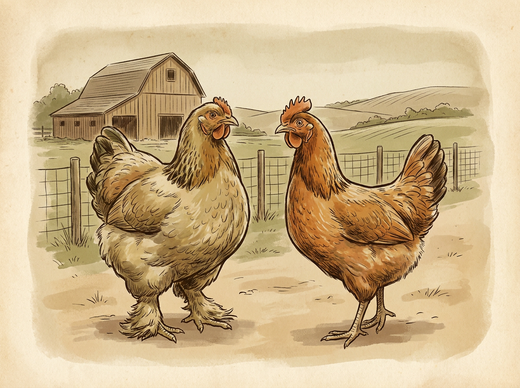
Broiler Chickens vs. Laying Hens: What's the Difference and Which Is Right for You
Duck Keeping 101: Feed, Housing, and Care for a Backyard Duck Flock
Goat Feed Guide: What to Feed Dairy and Meat Goats on the Homestead
Raising Quail: A Beginner's Guide to Feed, Housing, and Eggs
Chicken Waterer Guide: Keeping Your Flock Hydrated Year-Round
Backyard Chickens 101: Feed, Care, and Setup for a Healthy Laying Flock
The whole guide, free to read right here — habitat, diet, lighting, troubleshooting and a first-48-hours quick start. No email required.
Goats are one of the great joys of a small homestead. They are curious, funny, talkative, and far more affectionate than their reputation for mischief suggests, and a pair of Nigerian Dwarf does (adult females) can put fresh milk on a family table from a backyard barn. They are also herd animals that need company, escape artists that test every fence you build, and ruminants (animals that chew cud) whose health depends on what goes into the rumen, their first stomach chamber. A goat that is fenced well, fed forage first, given the right minerals, and checked for parasites with a plan instead of a calendar will be a healthy, cheerful member of the family for 10 to 15 years. A goat that is not will teach you every lesson the hard way, usually on a holiday weekend. This guide is written for the dairy, meat, and companion goat keeper with a small acreage, a big heart, and no desire to learn by trial and error. Read the Quick Start first, get the fence and shelter finished before the goats arrive, and find your large-animal vet this week. Here in Lancaster County we keep our own animals and grow our own food, and everything here is the way we would explain it across the fence to a neighbor.
What needs to be in the barn on day one, and what to look for in each category.
Ready to set up? Browse the essentials in our collections: Homestead Supplies.
The domestic goat (_Capra hircus_) was one of the first animals people ever kept, and today the family includes small dairy breeds that fit a suburban lot and heavy meat breeds that clear brush on a hill farm. Goats are ruminants, which means they have a four-part stomach and chew cud: they swallow food, bring it back up, and chew it again. The first and largest chamber is the rumen, a big fermentation vat full of microbes that break down fibrous plants into energy. Everything you feed a goat is really a decision about keeping that vat healthy.
Goats are also browsers more than grazers. Left alone, a goat prefers to nibble leaves, twigs, weeds, and brush at head height rather than mow grass, and a good diet reflects that.
| Trait | Detail |
|---|---|
| Common name | Domestic goat |
| Scientific name | _Capra hircus_ |
| Type | Ruminant, browser and grazer |
| Typical lifespan | 10 to 15 years with good care |
| Social structure | Herd animal — never keep just one; at least two |
| Activity pattern | Diurnal; most active morning and evening, rests and chews cud at midday |
| Normal temperature | 101.5 to 103.5°F (taken rectally) |
| Normal heart rate | 70 to 90 beats per minute (faster in kids) |
| Gestation | About 150 days |
| Temperament | Curious, vocal, social, athletic, and persistent |
Six breeds cover most small homesteads. The numbers below are typical ranges for adult does; bucks and wethers run larger, and individual animals vary.
| Breed | Main purpose | Typical adult doe size | Milk or meat notes | Temperament and quirks |
|---|---|---|---|---|
| Nigerian Dwarf | Dairy and companion | About 17 to 23 inches tall; 50 to 75 lbs | Often 1 to 2 quarts of very rich milk (6 to 8% butterfat) daily; breeds year-round | Friendly, playful, easy to handle; small enough for modest acreage |
| Nubian | Dairy (and dual purpose) | About 30 to 35 inches tall; 135 to 175 lbs | Often around a gallon daily with rich milk (about 5% butterfat) | Long drooping ears, Roman nose, very vocal, affectionate, a little dramatic |
| Alpine | Dairy | About 30 to 34 inches tall; 135 to 170 lbs | Often 1 to 1.5 gallons daily with moderate butterfat (about 3.5%) | Hardy, active, alert, can be bossy; great climbers |
| LaMancha | Dairy | About 28 to 32 inches tall; 130 to 160 lbs | Often about a gallon daily with good butterfat (about 4%) | Nearly earless "gopher ears," calm, steady, and easygoing |
| Boer | Meat | About 24 to 28 inches tall; 190 to 230 lbs | Fast-growing kids, heavy muscle; not a milking breed | Calm and docile; white body with a red head is classic |
| Kiko | Meat | About 24 to 30 inches tall; 125 to 175 lbs | Hardy, vigorous kids; often noted for parasite resilience | Independent and tough; good foragers for brush and rough pasture |
Pygmy goats, mixed-breed pet goats, and miniature crosses (such as mini Nubians) fill out the companion category. For a first-time keeper with a small yard, Nigerian Dwarfs are the easiest place to start: smaller, gentler on fencing, and surprisingly productive.
Dairy goats require commitment twice a day. A doe must be bred, kid, and be milked on a schedule, and the milk has to be handled cleanly. In return, you get fresh milk, cheese, soap, and kids to raise or sell. The breeds are lean, angular, and active.
Meat goats are heavier, bulkier, and bred for growth. They are generally easier going about daily routines, because there is no milking, but they still need parasite management, solid fencing, and a plan for selling or processing kids. Meat goats do well on pasture and brush with lower inputs than a dairy herd.
Pet and companion goats do not need to produce anything. Wethers (castrated males) are the best pets in the barn: gentle, sociable, and free of the strong smell of an intact male during rut. They are also the animals most at risk for urinary stones, so the diet and water guidance in this guide matters especially for them.
A quick vocabulary note. A doe is an adult female, a buck (or billy) is an intact adult male, a wether is a castrated male, and a kid is a young goat. A doe that has kidded is said to be fresh.
Two or three wethers make a mellow pet herd. Two does are ideal for a family milk supply, and a doe with a wether works well too. A buck needs separate housing away from the does most of the year, a very sturdy fence, and a tolerance for his smell, so most small homesteads borrow a buck or pay a stud fee at breeding time.
Before you fall in love with a kid on a listing, confirm three things. First, zoning: whether your parcel allows livestock, how many animals, and the setbacks. Second, homeowner association or deed restrictions, which are often stricter than the township. Third, state agriculture rules: your premises ID, scrapie tag requirements, and any health papers needed to buy or sell across state lines. Ask your vet or your state department of agriculture, not the person selling the goat.
Three things catch most first-time goat keepers off guard. The first is the fence: goats are far better at climbing, squeezing, and lifting than anyone expects, and a fence that holds a dog will not hold a goat. The second is the noise: a goat that is lonely, hungry, in heat, or simply bored will tell the whole neighborhood. The third is the intelligence: goats learn gate latches, feed bin lids, and your schedule. They have preferences, favorites, and a long memory for who gave them a treat. They also hold grudges against the person who trimmed their hooves.
Goats do not need a fancy barn. They need a dry place to lie down, a fence that holds, and room to move. Grab a sheet of graph paper and picture the layout from the barn door outward.
| Zone | What goes there | Size and spacing |
|---|---|---|
| Shelter (inside) | Dry, draft-free three-sided or enclosed space with open vents high on the walls | About 15 to 20 square feet per goat |
| Sleeping platforms | Raised benches or platforms along the back wall, off the floor | 18 to 30 inches high, wide enough for the whole herd to lie down side by side |
| Feeding station | Hay rack or manger and a loose mineral feeder, under cover | Hay at chest height; mineral at goat shoulder height; both out of the weather |
| Water | Two buckets or a heated bucket, on a stable stand or hung from a post | Away from the hay so it stays clean; scrubbed daily |
| Outdoor yard | Well-drained, fenced exercise area right outside the shelter door | About 200 square feet per goat is a common guideline |
| Pasture or browse paddocks | Rotated sections of grass and brush, fenced separately | Rest each paddock after grazing (see rotation below) |
| Quarantine and kidding pen | Separate small pen with its own door, water, and bedding | At least 4 by 5 feet; larger for standard breeds |
| Shade | Trees, a lean-to, or shade cloth | Enough for every goat to lie down in the shade at once |
Picture the shelter first. The back wall is solid and faces the prevailing wind. The front is open or has a wide door that can be closed in storms. The upper part of the walls has vents or gaps to let moist air and ammonia out. The floor is dry and level, ideally on well-drained ground or a gravel base, with a layer of clean bedding on top.
Goats handle cold well if they are dry and out of the wind, and they handle heat reasonably well if they have shade and fresh water. What they cannot handle is dampness and drafts at floor level. That is why the shelter should be dry and draft-free but not airtight. A sealed barn traps ammonia and humidity, which leads to pneumonia. An open barn with a roof, solid back wall, and high vents gives you fresh air without wind on the animals' backs. If you can smell ammonia when you walk in, the barn needs more ventilation or more bedding.
Raised sleeping platforms are one of the best investments you can make. Goats love to be up off the ground, and a platform keeps them out of the cold, damp floor. Leave a gap underneath for airflow, give the platform a non-slip surface, and make sure it is wide enough that the herd can pile on together. A low-ranking goat who is pushed off the platform will sleep on the floor, so build more space than you think you need.
Goats are escape artists. A goat will climb a fence, lean on it, squeeze beneath it, lift a loose latch with its lips, and walk through any gap it can fit its head through. Build the fence as if the goats are actively trying to leave, because they are.
Loose dogs and coyotes are the usual predators, so a strong fence doubles as protection. Shut your goats in at night, especially kids.
Goats are browsers. In a mixed pasture, they will go for the brush, saplings, vines, and weeds before they touch the grass. That makes them wonderful for cleaning up a neglected hillside, but it also means you must provide real forage and not assume brush alone is enough.
Pasture rotation is your best tool against parasites. The larvae of the barber pole worm (more on that later) live in the bottom few inches of grass, and goats that graze short, wet, heavily stocked pasture pick up a heavy worm load quickly. Good habits:
Provide browse deliberately: a fenced section of brush, blackberry, multiflora rose, or tree trimmings from safe species gives goats what they crave and helps stretch your hay. Make sure what they browse is safe (see the toxic plants table in the Diet section).
The right bedding keeps goats dry, warm, and clean, and the right footing keeps hooves healthy. Both need to be dry and well drained. Wet bedding causes more goat problems than almost anything else.
| Material | Best for | Performance | Notes |
|---|---|---|---|
| Straw (wheat, oat, or barley) | Shelter floors, kidding pens, winter warmth | Warm, absorbent, cheap, easy to find locally; goats nibble on it | Must be dry and mold-free; excellent for deep litter |
| Wood shavings (pine, aspen, or fir) | Shelter floors, kidding pens, under platforms | Absorbent and low dust; easy to spot clean | Buy kiln-dried, low-dust; never black walnut |
| Pelleted bedding | Small spaces, kidding pens | Very absorbent, low dust, compact to store | Needs to be raked and fluffed after it absorbs moisture |
| Rubber stall mats over compacted base | Milking stand, high-wear areas | Easy to clean, cushions hooves | Cover with bedding in cold weather so mats are not cold |
| Compacted gravel or crushed stone base | Under the shelter, outdoor yard, gateways | Excellent drainage; helps wear hooves naturally | Cover with bedding indoors; use clean rock, not sharp fill |
| Sand | Outdoor loafing area (a well-drained one) | Drains well and is gentle on joints | Not for feeding areas, since goats can ingest sand with feed |
Most homestead keepers use deep litter: instead of stripping the shelter every week, you add a fresh layer of clean, dry bedding on top of the old, and the pack builds up through fall and winter. As it composts slowly, it generates a little warmth from underneath. The rules are simple. Keep it dry: spot-remove wet patches and heavily soiled bedding. Keep it fresh on top: add a layer whenever the surface looks or smells damp. Keep it ventilated: if you smell ammonia, add bedding and open vents. Clean out the whole pack in spring and again in fall, and compost it for a season before spreading it near gardens or pastures. Kidding pens and sick pens should be stripped and rebuilt with fresh bedding between animals.
A goat yard should be high, well drained, and firm. Mud softens hooves, breeds foot scald and foot rot, and holds worm larvae. Slope the yard away from the shelter, put gravel in gateways and around feeders and water stations, and fix low spots. A few flat rocks, concrete blocks, or a rough stump in the yard help wear the hooves a little between trimmings.
A goat's rumen is a living fermentation system, and three simple numbers decide whether it works: how much forage goes in, how much clean water is available, and whether the minerals are the right ones. Get these three right and most of the rest takes care of itself.
| Parameter | Target value | How to measure it | What goes wrong when it is off |
|---|---|---|---|
| Forage (dry matter intake) | Roughly 2 to 4% of body weight per day, with good grass or mixed hay, plus browse, as the foundation | Weigh or estimate the goat (a weight tape works), multiply by 0.02 to 0.04, and weigh a flake of hay to see how many you need; check that feeders are mostly empty before the next feeding | Too little forage: thin goats, weak rumen, poor milk, and more parasite trouble; too much grain in place of forage: bloat, acidosis, and urinary stones |
| Water | Clean, fresh water available at all times; a typical adult drinks about 1 to 4 quarts daily, more in heat, and a milking doe can drink far more | Check buckets morning and evening, scrub them on a schedule, and note whether the level is dropping; in winter, check for ice | Dirty or frozen water: goats refuse it, drink too little, and then eat less and risk urinary stones, constipation, and rumen upset |
| Minerals | A loose, goat-specific mineral with copper free choice, in its own feeder | Check the feeder every few days; compare what disappears to the label's expected intake (often a quarter to half an ounce per goat per day) | Wrong or missing mineral: copper deficiency, poor coat, weak kids, anemia, reduced fertility, and more worms; sheep mineral and cattle blocks do not meet a goat's needs |
Here is the math. Dry matter intake means the weight of feed after the water is removed, and goats eat roughly 2 to 4% of their body weight in dry matter each day. A 150 pound Nubian doe eats about 3 to 6 pounds of dry matter. Hay is mostly dry matter, so that is close to the same weight in hay. A 60 pound Nigerian Dwarf eats about 1.2 to 2.4 pounds. A lactating doe, a growing kid, and a goat in a cold snap sit at the high end. A pet wether in July sits near the low end.
The key is that this feed should be mostly forage, meaning hay, pasture, and browse, not grain. Aim for good grass or mixed grass-legume hay that smells fresh and sweet, is green inside, and is free of mold and dust. Offer it free choice or in generous portions, and expect goats to pick through it and drop some. That is normal. They will waste a third of what you give them unless you use a well-designed feeder.
Goats are picky about water. They will refuse dirty water, cold water, and water that smells off. Scrub buckets with a stiff brush on a regular schedule, keep them out from under hay racks, and put them where goats cannot stand in them. In winter, a heated bucket is worth its weight in gold. Unlimited, clean water reduces the risk of urinary stones, constipation, and rumen upset.
Offer a loose (not block) mineral formulated for goats, with copper, free choice at all times. Goats need more copper than sheep, and a mineral designed for sheep contains little or none, so never feed sheep mineral to goats. The reverse is also a hazard, because the copper level in a goat mineral can poison sheep, so keep sheep away from it. A cattle mineral block is a poor substitute: goats cannot lick enough from a hard block to meet their needs, and cattle mineral is not formulated for a goat's copper requirements. Details on the full mineral program follow in the Diet section.
Feeding goats is simple once you remember one thing: the rumen runs on fiber. Hay, pasture, and browse keep the microbes in that fermentation vat happy. Grain, sugar, and sudden changes throw them off. Clean fuel, no junk, and no mystery ingredients applies to goats as much as to anything else we feed on our own homestead.
Good grass or mixed hay is the foundation of every goat diet. Offer it free choice to most adult goats, in a raised feeder, and refill it often so it stays fresh. Good hay is green, leafy, sweet-smelling, and free of mold, dust, weeds, and foreign objects. Grass hay (timothy, orchardgrass, brome) suits dry does, wethers, and bucks. Alfalfa or other legume hay is richer in protein and calcium, which suits growing kids and lactating does, but it is too rich to be the only hay for wethers and bucks, because of the urinary stone risk described below.
Browse is the goat's natural food. Offer brush, tree trimmings, vines, and weeds from safe species whenever you can. It adds variety, cuts hay waste, and makes goats happier. Introduce new browse gradually and keep it off the toxic plant list.
Make every feed change slowly, over 7 to 14 days. A sudden change in hay or grain upsets the rumen and can bring on bloat or scours. When you buy hay from a new field, treat it as a new feed.
Most goats on good forage do not need grain. When they do, give it in measured amounts, split into two feedings, and never in place of hay.
| Class of goat | Grain guidance | Notes |
|---|---|---|
| Wethers and pet goats | None, or a small treat-sized handful at most | High grain is the main cause of urinary stones |
| Adult bucks (out of breeding season) | None; hay and browse only | Keep the calcium to phosphorus ratio in mind |
| Bucks in breeding season (working bucks) | A small amount if they lose weight | Watch body condition closely; keep water available |
| Dry does (not pregnant or milking) | None if body condition is good | Extra grain makes does fat and causes kidding trouble |
| Does in late pregnancy | A modest, gradually increased amount in the last 6 weeks if needed | Too much grain can bring on ketosis or oversize kids |
| Lactating does | Grain matched to milk production, often about 1 pound for every 3 pounds of milk | Scale up slowly; always with plenty of hay |
| Growing kids | A small daily ration with high-quality hay | Wean onto forage; keep to a feed made for goats |
| Thin or stressed animals | Added gradually, with a vet check for the cause | Check for worms first; thinness is usually parasites |
Always choose a feed made for goats or a mixed ration approved by your vet, with no mystery ingredients and no added urea or animal byproducts. Avoid feeds containing ionophores meant for other species, such as monensin in cattle feed. Never feed horse or sheep feed to goats without checking the label.
Offer a loose, goat-specific mineral with copper, free choice, year-round, in a feeder protected from rain. Goats are copper-hungry animals, and low copper shows up as a faded or rusty coat, a fish-tail (a switch of the tail that goes sparse), anemia, poor fertility, weak kids, and more worms. Look for a mineral that lists copper and also provides selenium, zinc, and vitamins A, D, and E, and check with your vet about regional deficiencies such as low selenium in much of the Northeast.
Urinary calculi are mineral stones that form in the urinary tract. Males, especially wethers and bucks, have a long, narrow, twisting urethra and can become blocked, which is an agonizing and life-threatening emergency. Prevention is far easier than treatment:
Goats are curious and they will sample things. Most of the time a goat with plenty of good hay will ignore dangerous plants, but a hungry goat, a goat on new ground, or a goat given cuttings from a garden or yard may not. Walk your fence line and pasture each season and remove problem plants.
| Plant or food | Why it is a problem | What to do |
|---|---|---|
| Rhododendron and azalea | Contain grayanotoxins; can cause drooling, vomiting, weakness, and death | Remove from pens, pastures, and anywhere cuttings could be tossed in |
| Mountain laurel | Same toxins as rhododendron; very common in Pennsylvania woods | Fence it out; do not browse near it |
| Yew | Extremely toxic; sudden death is possible even with small amounts | Remove completely, including clippings |
| Oleander | Heart toxins; fatal in small amounts | Keep away, including dried leaves |
| Wild cherry (especially wilted leaves) | Cyanide-producing compounds, especially in wilted or storm-damaged leaves | Clear fallen limbs promptly; never offer cuttings |
| Nightshade and related weeds | Alkaloids cause digestive and nervous system trouble | Clear from fence lines and pastures |
| Black locust | Toxic bark, leaves, and seeds | Remove saplings; do not feed trimmings |
| Avocado | Toxic to goats; leaves, pits, and skin are the worst | Never offer any part |
| Chocolate | Contains theobromine; harmful and sometimes fatal | Keep out of reach, including baked goods |
| Moldy or spoiled feed and hay | Can cause listeriosis, mycotoxin illness, and rumen upset | Throw it out; never feed anything with visible mold |
| Lawn clippings | Ferment quickly into a hot, gassy mass; can cause bloat and illness | Never dump clippings into the pen |
| Wild mushrooms | Some are deadly; goats cannot tell the difference | Walk pastures and remove mushrooms after wet spells |
This list is not complete. If you are not certain a plant is safe, do not feed it, and call your vet or your county extension office if a goat has eaten something suspicious. Take a sample of the plant with you.
Shop the food and supplies: Browse Goat Feed & Livestock.
Goats' hooves grow constantly, like fingernails, and need trimming about every 6 to 8 weeks. Hooves on soft ground or with fast growth need more. Overgrown hooves cause lameness, poor posture, and foot rot.
How to trim: put the goat on a stand or have a helper hold her. Pick out any dirt and manure. Use sharp trimmers to cut away the overgrown outer wall until it lies flat with the sole. Trim the heel gently to level, and stop when you see pink, which means you are close to live tissue. Keep styptic powder handy. A properly trimmed hoof sits flat, with the toes pointing straight and the pasterns upright. A good first lesson from your vet or a mentor is worth far more than a video.
The barber pole worm (_Haemonchus contortus_) drinks blood from the lining of the stomach and is a leading cause of death in goats, especially in warm, wet climates. Resistance to dewormers is widespread, so a calendar-based, blanket deworming schedule often produces a herd that cannot be treated at all. The modern approach is targeted deworming.
FAMACHA is a scoring system for the color of the lower eyelid's inside lining (the membrane), which reveals how anemic a goat is. A 1 or 2 (red to pink) is healthy. A 3 is borderline. A 4 or 5 (pale pink to white) means serious anemia from worms and calls for treatment. Pull down the lower lid gently every one to two weeks in warm months and compare to a FAMACHA card from your vet. Also watch for bottle jaw, a soft swelling under the chin.
A fecal egg count (FEC) is a lab count of parasite eggs in a fresh manure sample. It tells you which parasites you have and how heavy the load is. Run FECs at least annually, ideally in spring and again in late summer, and after any treatment to check that it worked. Many keepers do fecal egg count reduction tests to find out which dewormers still work on their farm.
Deworm only the animals that need it, with the right product and dose from your vet, and use your pasture rotation, FAMACHA, and FEC results as the plan. Coccidiosis, a protozoal gut infection, is a different problem, common in young kids and crowded pens, and is treated differently from worms.
Most goat herds vaccinate for CD&T, a combination vaccine that protects against Clostridium perfringens types C and D (enterotoxemia, or "overeating disease") and tetanus. The usual pattern for kids is a first dose around 4 to 8 weeks and a booster 3 to 4 weeks later, then yearly. Pregnant does are typically boosted about 4 to 6 weeks before kidding so they pass antibodies to the kids through colostrum. Your vet may recommend other vaccines for your region, and will help you write a herd health plan, a simple written schedule for vaccines, parasite checks, hoof trims, and records.
Record keeping is half of good goat keeping. Keep a notebook or spreadsheet with each goat's birth date, weight, FAMACHA scores, FEC results, vaccines, treatments, breeding dates, and kidding history. When something goes wrong at 10 p.m., those notes are gold.
This is a short overview, not a manual. For your first kidding, work with a livestock vet or an experienced goat mentor, and have them on call.
Breeding. Does come into heat every 18 to 21 days; Nigerian Dwarfs cycle year-round, while most other breeds cycle in fall. A doe is ready to breed at a good body weight (roughly 60 to 75% of adult size), usually around 8 to 12 months. Keep bucks away from does except for planned breeding. Rutting bucks are smelly, loud, and hard on fences, and many small keepers use a borrowed buck or a stud service. Test new animals for CAE, CL, and Johne's before breeding.
Gestation runs about 150 days (145 to 155). Keep the doe in good flesh, keep her on good hay and minerals, give the CD&T booster 4 to 6 weeks before kidding, and trim hooves and udder hair. Dry her off about 2 months before her due date if she is in milk.
Signs of labor include a sunken tail ligament and loose pelvis, a tight, shiny udder, restlessness, pawing and nesting, a clear mucous discharge, and lying down to push. Most does kid without help. Prepare a clean, dry, draft-free kidding pen with fresh straw, and have towels, iodine for navels, a bulb syringe, clean gloves, lubricant, and your vet's number ready. Call for help if she strains hard for more than 30 minutes with no progress, if you see a single foot or a nose without feet, or if she seems exhausted.
After birth. Dry the kids and clear their noses. Dip the navel in iodine. Get colostrum, the first thick milk full of antibodies, into every kid within the first few hours, because they get no antibodies before birth. Weak kids may need a tube-fed or bottle-fed dose. Confirm the placenta passes within about 12 hours. Watch the doe for fever, no appetite, or no milk.
Milking. A doe in milk needs a clean routine twice a day, at the same times. Trim udder hair, wash teats with a warm sanitizing wash, strip the first few squirts into a cup (check for clumps or blood), milk smoothly and completely, dip teats in a post-milking solution, and strain and chill the milk fast. Wash everything. Clean milking is how you prevent mastitis and keep milk tasting sweet. Raw milk laws vary by state, so check yours before you share or sell.
Goats hide illness, as prey animals do. A goat that stands apart, grinds its teeth, or skips a meal is telling you something. Check temperature (101.5 to 103.5°F is normal), eyelid color, rumen movement on the left side, and manure before you decide what to do, and call your vet early.
What you see: a tight, swollen belly on the left side, kicking at the belly, grinding teeth, crying, drooling, refusing feed, standing stretched out, or struggling to breathe. Why: the rumen traps gas, usually from a sudden feed change, too much grain, lush legume pasture, or moldy feed. What to do: stop all grain, keep the goat standing and walking, and call your vet for guidance. Ask them ahead of time what they want you to keep on hand. When to call a vet: now. Severe bloat can kill within hours.
What you see: loose or watery manure, a dirty tail and rear, lethargy, dehydration (skin that tents when pinched), and sunken eyes. Why: feed changes, coccidiosis in kids, worms, bacterial infection, or too much grain. What to do: isolate the goat, offer fresh water with electrolytes and good hay, check temperature, and bring a fresh manure sample to your vet. When to call a vet: the same day for kids, and for any goat with fever, blood, weakness, or scours lasting more than a day.
What you see: coughing, nasal discharge, fast or labored breathing, fever, dull behavior, and poor appetite. Why: damp, drafty, or ammonia-heavy housing, stress from travel, weather swings, and weak immunity. What to do: move the goat to a clean, dry, ventilated pen, take its temperature, and call your vet before giving any medicine. When to call a vet: the same day. Pneumonia moves fast in goats, especially kids.
What you see: pale eyelids (FAMACHA 3 to 5), bottle jaw, weakness, weight loss, rough coat, and sometimes sudden death in young stock. Why: the barber pole worm sucks blood from the stomach, thrives in warm, wet weather, and often resists common dewormers. What to do: check eyelids every one to two weeks in warm months, run fecal egg counts, rotate pasture, and deworm only animals that need it, with a product and dose your vet recommends. When to call a vet: any FAMACHA 4 or 5, bottle jaw, or a weak, pale goat.
What you see: limping, a goat kneeling to graze, overgrown or curled hooves, red or moist skin between the toes (scald), and a foul smell with black, crumbly tissue under the hoof (foot rot). Why: infrequent trimming, wet and muddy ground, and bacteria that thrive in manure and mud. What to do: trim the hooves, clean and dry the area, keep the goat on dry footing, and follow your vet's treatment plan. When to call a vet: if lameness lasts more than a couple of days, or if the hoof is hot, swollen, or smelly.
What you see: a hot, hard, swollen, or painful udder; clumpy, stringy, or bloody milk; reduced milk; fever; and a doe that refuses to let kids nurse. Why: bacteria entering through the teat, from dirty bedding, poor milking hygiene, or injury. What to do: strip the quarter, keep the doe comfortable, and call your vet before using any medicine or drinking the milk. When to call a vet: the same day. Some forms (such as "blue bag") can kill a doe quickly.
What you see: a faded, rusty, or dull coat, a "fish tail" (a sparse tail switch), anemia, weak kids, poor fertility, and more worms. Why: a diet that lacks enough copper, often from using sheep mineral or a cattle block, or from high-sulfur or high-molybdenum water or forage. What to do: switch to a loose goat mineral with copper, and ask your vet about testing a liver or blood sample before adding anything more. When to call a vet: any herd-wide coat change or weak kids, so you can confirm the cause.
What you see: a male straining to urinate, crying, tail flagging, dribbling or nothing coming out, a hunched stance, kicking at his belly, and sometimes bloat. Why: high-grain, high-phosphorus diets, too little water, and the long male urethra. What to do: this is an emergency, so call your vet right away and keep him calm and quiet. When to call a vet: immediately. A blocked male can rupture his bladder within a day or two.
What you see: staggering, circling, blindness, head pressing, star-gazing (head tilted back), tremors, and seizures. Why: thiamine (vitamin B1) deficiency, often after a rumen upset from too much grain, sudden feed changes, or certain dewormers and toxins. What to do: treat as a neurological emergency and get your vet on the phone, because early injectable thiamine can save a goat. When to call a vet: immediately.
What you see: panting, drooling, open-mouth breathing, lethargy, a fever above 104°F, and standing apart. Why: hot, humid weather, little shade or water, and crowding. Dairy goats and heavy bucks are especially at risk. What to do: move the goat to shade, offer cool water, run a fan or hose gently over the legs and belly, and avoid soaking a shivering animal. When to call a vet: a goat that stops drinking, collapses, or does not cool within an hour.
What you see: shivering, a hunched stance, cold ears and mouth, weakness, and a kid that will not nurse. Why: newborns are wet, small, and have little body fat. Wet bedding and wind make it worse. What to do: dry the kid quickly, wrap it in a towel, warm it gradually, and ask your vet how to give colostrum safely. A kid that is cold cannot digest milk. When to call a vet: immediately for any limp or cold kid.
What you see: a goat caught in a fence, a head stuck between wires, a cut leg, an eye injury, or a goat at the neighbor's. Why: gaps, climbing aids, loose latches, bored goats, and horns. What to do: keep your fence tight, check it each week, and stay calm when you free a goat, because struggling worsens injuries. Clean and flush wounds. When to call a vet: deep wounds, eye injuries, or any limping that lasts more than a day or two.
You will see these names on health papers and in conversations with other keepers. Ask your vet which ones matter in your area.
| Disease | What it is | Why it matters |
|---|---|---|
| Caseous lymphadenitis (CL) | Bacterial infection that forms abscesses, often in lymph nodes | Contagious through pus; test new animals and handle abscesses with gloves |
| CAE (caprine arthritis encephalitis) | Viral disease causing arthritis in adults and affecting kids | Spread mostly through milk; test herds and pasteurize or feed clean colostrum to kids |
| Johne's disease | Bacterial gut infection that leads to chronic weight loss | No cure; spreads through manure; buy from tested herds |
| Enterotoxemia | Overgrowth of clostridial bacteria, often after a feed change or too much grain | Sudden death is possible; prevented by CD&T vaccination and slow feed changes |
| Orf (sore mouth) | Viral scabs on the lips and nose | Contagious to people; spreads to kids and teats |
| Listeriosis | Bacterial disease linked to spoiled silage and moldy hay | Causes circling and facial paralysis; never feed moldy feed |
| How often | What to do |
|---|---|
| Daily | Feed hay and any measured grain; check that feeders are clean and mineral feeders are stocked |
| Daily | Scrub and refill water buckets; break ice in winter |
| Daily | Count heads and watch each goat eat, walk, and chew cud |
| Daily | Walk the fence line and check gates and latches |
| Daily | Milk lactating does at the same times, morning and evening |
| Weekly | Check lower eyelid color (FAMACHA) in warm months |
| Weekly | Add fresh bedding on top and remove wet spots in the shelter |
| Weekly | Scrub hay feeders and water buckets thoroughly |
| Weekly | Rotate pasture and look for muddy spots or new weeds |
| Monthly | Check weight or body condition by feel along the spine and ribs |
| Every 6 to 8 weeks | Trim hooves |
| Monthly | Restock first-aid supplies and update your records; look for toxic plants and mushrooms |
| Spring and fall | Clean out the deep litter pack; deworm only as needed; run fecal egg counts |
| Annually | CD&T vaccine and booster for does before kidding; vet wellness visit |
| Annually | Fecal checks, herd health plan review, and updated premises ID and tag records |
| Before breeding | Body condition check, hoof trim, vaccine booster, and disease testing |
Goats hide pain and illness until it is advanced. When you are not sure, call. A short phone call to a vet who knows goats is always better than waiting a day.
Call today, or go to an emergency vet:
Book within a few days:
Find your vet now, before you need one. Ask if they treat goats, whether they do farm calls, what their after-hours plan is, and whether they can help you write a herd health plan. Keep their number, your goat records, and a thermometer in the barn.
At least two. Goats are herd animals, and a single goat will become stressed, noisy, and prone to trouble. Two wethers, two does, or a doe and a wether make a good starter group. If you want milk, start with two does, and plan ahead for kidding, because does must be bred to produce milk. Think about your fencing, shelter, and budget before you add a third or fourth.
A common guideline is about 15 to 20 square feet per goat in the shelter and 200 square feet per goat outdoors, with more for larger breeds and for pastures that you want to keep healthy. Dwarf breeds need less, while Boers, Nubians, and bucks need more. Space matters for parasite control too, so rotate paddocks and avoid crowding. Always provide raised platforms for sleeping and climbing.
Goats eat mostly hay, pasture, and browse (leaves, brush, and twigs), around 2 to 4% of their body weight per day in dry matter. Good grass or mixed hay is the foundation. Grain is optional and should be limited to lactating does, growing kids, working bucks, or thin animals, because too much grain can cause bloat, acidosis, and urinary stones in males. Offer loose mineral with copper and fresh water at all times, and change feed slowly.
Yes. Goats need a loose, goat-specific mineral that contains copper, available free choice in a protected feeder. Sheep minerals do not have enough copper for goats, and cattle blocks are not designed for them. Signs of copper deficiency include a faded or rusty coat, a sparse tail switch, anemia, and poor fertility. If you also have sheep, keep them away from the goat mineral, because copper can poison them. Talk with your vet about local needs.
Aim for 4 to 5 feet, with 5 feet being safer for athletic breeds like Nubians and Alpines. Use woven wire or sturdy cattle panel, stretched tight, with no gaps at the bottom and no openings wide enough for a horned head to get stuck. Add an electric wire inside, use secure latches, and keep climbing aids such as stumps, woodpiles, and low roofs away from the fence line.
Most goats need a trim about every 6 to 8 weeks. Fast growers or goats on soft ground may need it more often, and goats on rough, dry footing may need it less. Overgrown hooves cause lameness, poor posture, and foot rot, so set a reminder on your calendar. A vet or an experienced keeper can show you how to trim safely, and you should stop when you see pink.
Most goats live about 10 to 15 years, and some live longer with good care. A well-fed, well-housed goat with parasite control, vaccines, hoof care, and a vet who knows goats has the best chance of reaching the upper end. Does may be productive for many years, and wethers are often long-lived companions, so plan for a long commitment.
There is no safe calendar schedule. Resistance to dewormers is widespread, so most vets now recommend targeted deworming based on FAMACHA eye-membrane scores, fecal egg counts, and body condition. Check eyelid color every one to two weeks in warm months, run fecal tests at least once a year, rotate pastures, and treat only the animals that need it, using a product and dose your vet recommends.
Common dangerous plants include rhododendron, azalea, mountain laurel, yew, oleander, wild cherry (especially wilted leaves), nightshade, and black locust. Avocado and chocolate are also toxic, as are moldy or spoiled feed, lawn clippings, and some wild mushrooms. Walk your fence lines and pastures each season, clear fallen limbs, and call your vet or county extension office if a goat eats something unusual.
They can be wonderful pets for the right family. Goats are intelligent, social, and affectionate, and wethers in particular make gentle companions. They need a herd mate, strong fencing, a dry shelter, proper food and minerals, hoof care, and a vet, and they can live 10 to 15 years. Check your local zoning rules first. If you can meet those needs, goats bring a lot of joy to a homestead.
Ready to shop? Start with Homestead Supplies. 10% of every purchase supports no-kill animal shelters.
Before we earn a dime, 10% of every purchase at Walnut Creek Supply goes to no-kill animal shelters across the country. Not at checkout, and not as an option. Off the top of every order, every day, because we believe caring for our own animals and caring for animals in need are the same promise.
We are a family business in Christiana, Lancaster County, Pennsylvania. We grow our own food, tend our own gardens and orchard, and keep animals because that is the life we want for our kids. We stock the clean-label goods we would put in front of our own herd: clean fuel, no junk, and no mystery ingredients. If you are choosing feed, our homestead blog covers goat feed for dairy and meat goats in detail. And if you have a question about fencing, minerals, or whether your goat's eyelids look pale, call us at (717) 983-8069. We would rather talk it through with you.
Welcome to the herd life. May your fences hold, your hay stay green, and your goats be the kind of trouble you can laugh about.
_From our family to yours,_ Walnut Creek Supply — Christiana, Lancaster County, Pennsylvania _walnutcreeksupply.com_
At least two. Goats are herd animals, and a single goat will become stressed, noisy, and prone to trouble. Two wethers, two does, or a doe and a wether make a good starter group. If you want milk, start with two does, and plan ahead for kidding, because does must be bred to produce milk. Think about your fencing, shelter, and budget before you add a third or fourth.
A common guideline is about 15 to 20 square feet per goat in the shelter and 200 square feet per goat outdoors, with more for larger breeds and for pastures that you want to keep healthy. Dwarf breeds need less, while Boers, Nubians, and bucks need more. Space matters for parasite control too, so rotate paddocks and avoid crowding. Always provide raised platforms for sleeping and climbing.
Goats eat mostly hay, pasture, and browse (leaves, brush, and twigs), around 2 to 4% of their body weight per day in dry matter. Good grass or mixed hay is the foundation. Grain is optional and should be limited to lactating does, growing kids, working bucks, or thin animals, because too much grain can cause bloat, acidosis, and urinary stones in males. Offer loose mineral with copper and fresh water at all times, and change feed slowly.
Yes. Goats need a loose, goat-specific mineral that contains copper, available free choice in a protected feeder. Sheep minerals do not have enough copper for goats, and cattle blocks are not designed for them. Signs of copper deficiency include a faded or rusty coat, a sparse tail switch, anemia, and poor fertility. If you also have sheep, keep them away from the goat mineral, because copper can poison them. Talk with your vet about local needs.
Aim for 4 to 5 feet, with 5 feet being safer for athletic breeds like Nubians and Alpines. Use woven wire or sturdy cattle panel, stretched tight, with no gaps at the bottom and no openings wide enough for a horned head to get stuck. Add an electric wire inside, use secure latches, and keep climbing aids such as stumps, woodpiles, and low roofs away from the fence line.
Most goats need a trim about every 6 to 8 weeks. Fast growers or goats on soft ground may need it more often, and goats on rough, dry footing may need it less. Overgrown hooves cause lameness, poor posture, and foot rot, so set a reminder on your calendar. A vet or an experienced keeper can show you how to trim safely, and you should stop when you see pink.
Most goats live about 10 to 15 years, and some live longer with good care. A well-fed, well-housed goat with parasite control, vaccines, hoof care, and a vet who knows goats has the best chance of reaching the upper end. Does may be productive for many years, and wethers are often long-lived companions, so plan for a long commitment.
There is no safe calendar schedule. Resistance to dewormers is widespread, so most vets now recommend targeted deworming based on FAMACHA eye-membrane scores, fecal egg counts, and body condition. Check eyelid color every one to two weeks in warm months, run fecal tests at least once a year, rotate pastures, and treat only the animals that need it, using a product and dose your vet recommends.
Common dangerous plants include rhododendron, azalea, mountain laurel, yew, oleander, wild cherry (especially wilted leaves), nightshade, and black locust. Avocado and chocolate are also toxic, as are moldy or spoiled feed, lawn clippings, and some wild mushrooms. Walk your fence lines and pastures each season, clear fallen limbs, and call your vet or county extension office if a goat eats something unusual.
They can be wonderful pets for the right family. Goats are intelligent, social, and affectionate, and wethers in particular make gentle companions. They need a herd mate, strong fencing, a dry shelter, proper food and minerals, hoof care, and a vet, and they can live 10 to 15 years. Check your local zoning rules first. If you can meet those needs, goats bring a lot of joy to a homestead.
Every goat article we've published, in one place.