


Leaving already?
Can we tempt you with 5$ off your first order?
Min Order of $50


Care Guide & Supplies
Large breed dogs need joint support, size-appropriate food and toys, and big-dog-specific care. Everything built for the big guys.
Habitat, diet, lighting, troubleshooting and a first-48-hours quick start. Free, no email required — from our family in Lancaster County to yours.

Advantage II Flea Protection Large Dog 21-55lbs 4pk

Advantage II Flea Protection X-Large Dog Over 55lbs 4pk

Advantage II Flea Protection X-Large Dog Over 55lbs 6pk

Alzoo Plant-Based Flea & Tick Collar Large Dog 29.5In.

Ark Naturals Breath-Less Brushless Toothpaste Large Dog Chews, 18-oz. Bag
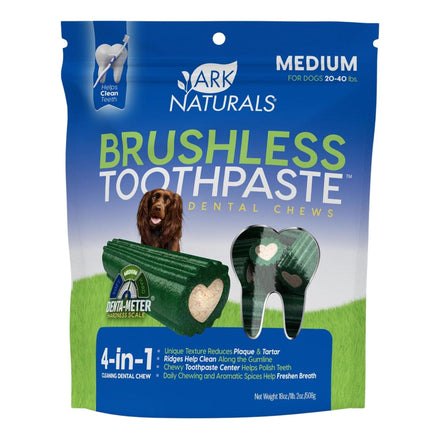
Ark Naturals Breath-Less Brushless Toothpaste Medium To Large Dog Chews, 18-oz. Bag

Ark Naturals Dog Brushless Toothpaste Extra Large 24oz.

Chuckit! Air Fetch Ball Dog Toy X-Large

Chuckit! ULTRA Squeaker Ball Dog Toy X-Large

Chuckit! Ultra Ball Dog Toy X-Large

Earth Animal Herbal Flea And Tick Collar For Large Dogs
The whole guide, free to read right here — habitat, diet, lighting, troubleshooting and a first-48-hours quick start. No email required.
Some dogs take up a little corner of your life. A large-breed dog takes up the couch, the passenger seat, the middle of the kitchen floor, and a very specific, very permanent spot in your heart. If you share your home with a Labrador, a German Shepherd, a Great Dane, a Bernese Mountain Dog or any of their big-boned cousins, you already know the deal: the love is enormous, and so is nearly everything else. The food bill. The leash pull. The tail that clears the coffee table in one happy sweep. The paw that lands on your shoulder when you least expect it.
This guide is for dogs who will weigh roughly 50 pounds or more as adults, including the true giants at about 100 pounds and up. That size changes the rules in ways that surprise first-time big-dog owners. A large-breed puppy grows so fast that what you feed in those first months can shape their joints for life. Exercise that is perfectly fine for a terrier can hurt a growing Great Dane. A few simple habits around mealtime can lower the risk of a true emergency called bloat. And the lifespan, honestly, is shorter than we would like, which is exactly why every good year counts.
We wrote this the way we would talk to a neighbor over the fence here in Lancaster County: warm, practical, and honest. Feeding your big dog like any dog is a mistake, and we will show you why. We will walk through early joint protection, meeting big energy with the right kind of exercise, and the safety setup that keeps a strong dog and your family happy. Throughout, remember that your veterinarian knows your individual dog. Anything here about medical choices, calories, supplements or timing is a starting point for that conversation, never a replacement for it. Read the Quick Start first, then come back for the rest at your own pace.
What needs to be in the house on day one, and what to look for in each category.
Ready to set up? Browse the essentials in our collections: Dog Harness, Collar & Tag, Dog Beds and Mobility & Joint Support Supplements.
Enrichment, one click away. Shop Dog Toys.
"Large breed" is not one kind of dog. It is a family of dogs that share a few things in common: they grow a lot, they grow quickly, and they carry the benefits and the cares that come with a big frame. Understanding where your dog fits makes everything easier, from feeding to exercise to choosing a vet visit schedule.
There is no single official line, and different sources draw it differently. As a practical rule of thumb, large breeds are dogs who will reach about 50 to 100 pounds as adults, and giant breeds are dogs who will reach about 100 pounds or more. Many feed makers and veterinarians use around 55 to 70 pounds of expected adult weight as the point where a large-breed puppy formula makes sense. If your puppy's parents are big or your mixed-breed puppy is likely to land in this range, treat them as a large breed from the start and ask your vet.
| Size group | Typical adult weight | Typical lifespan | Notes |
|---|---|---|---|
| Large | About 50 to 100 lb | Often 10 to 12 years | Includes many retrievers, shepherds and working breeds; individual dogs vary |
| Giant | About 100 lb and up | Often 7 to 10 years | Grow fast, mature slowly, and age earlier; individual dogs vary |
These are general ranges. A lean, well-cared-for dog may live longer than the typical range, and lifespans vary a great deal by breed, genetics and luck. Keeping your dog lean, active and up to date on vet care is the best lever you control.
Here is a friendly overview of popular large and giant breeds. Weights are approximate and vary by individual, sex and line, so use them as a rough guide only.
| Breed | Size group | Approximate adult weight | Temperament in a nutshell | Care notes |
|---|---|---|---|---|
| Labrador Retriever | Large | 55 to 80 lb | Friendly, eager, food-motivated | Loves to eat, so watch the waistline; needs daily exercise and a job |
| Golden Retriever | Large | 55 to 75 lb | Gentle, social, trainable | Long coat sheds heavily; needs regular brushing and plenty of activity |
| German Shepherd | Large | 50 to 90 lb | Loyal, smart, driven | Needs mental work and firm, kind training; watch the back end as they age |
| Rottweiler | Large | 80 to 130 lb | Confident, devoted, calm at home | Needs early socialization and steady training; strong and powerful |
| Boxer | Large | 55 to 80 lb | Playful, goofy, high energy | Short face makes them heat-sensitive; stays puppyish for years |
| Standard Poodle | Large | 40 to 70 lb | Smart, athletic, eager | Curly coat needs regular grooming; deep chest, so bloat habits matter |
| Bernese Mountain Dog | Large to giant | 70 to 115 lb | Sweet, steady, family-loving | Thick coat, heat-sensitive, and a shorter average lifespan than many breeds |
| Great Dane | Giant | 110 to 175 lb | Gentle, goofy, sensitive | Tall and deep-chested, so bloat habits are especially important |
| Saint Bernard | Giant | 120 to 180 lb | Mellow, patient, drooly | Heavy drooler; heat-sensitive; grows fast and needs careful puppyhood |
| Mastiffs (English, Bullmastiff, Neapolitan and others) | Giant | 100 to 200+ lb | Calm, protective, affectionate | Massive frames, heavy joints, and lots of drool; low exercise stamina |
| Newfoundland | Giant | 100 to 150 lb | Sweet, patient, water-loving | Thick coat, heat-sensitive, loves swimming; heavy shedder and drooler |
A home that suits a large dog does not need a mansion. It needs thoughtful space, safe footing, strong gear and a plan for the things a big dog can reach. Here is how to set it up.
Most large dogs do fine in an ordinary home if they get daily exercise, and plenty do well in apartments when their needs are met. What matters more than square footage is that your dog has a comfortable resting place, room to turn around, and regular outings. A fenced yard is a wonderful bonus, but it is not a substitute for walks, training and time with you. Many big dogs left alone in a yard become bored, noisy or destructive.
Slick floors are hard on big dogs. A dog who slips on hardwood or tile may tense up, strain muscles and develop a fear of walking on certain surfaces. For puppies with soft growing joints and seniors with stiff ones, slippery floors can be a genuine injury risk.
Jumping on and off high surfaces puts repeated stress on joints. This matters most for puppies whose growth plates are still open, and for older dogs with arthritis.
A large dog that pulls can drag a person off their feet. Safe, comfortable gear makes training easier.
A crate gives a dog a safe den and gives you a way to manage the house when you cannot supervise. A big dog needs a big, tough crate. Choose heavy-gauge construction with a reliable latch. Size it so your dog can stand without ducking, turn around and lie flat. Introduce it with treats and meals, and never use it as punishment. Do not leave a dog crated for longer than they can comfortably hold their bladder, and puppies need much shorter stretches than adults.
An unrestrained 90-pound dog in a sudden stop becomes a dangerous projectile. Plan for safe rides:
A dog with a 30-inch shoulder height can lift a roast off the counter with a casual stretch. Keep food, trash and medications out of reach, use a covered trash can, move breakables out of tail-sweep zones, secure cords, keep toxic houseplants out of chewing range, and use baby gates to close off rooms during meals.
Large dogs are usually gentle, but they are strong, and even affection can knock someone over. A wagging tail at toddler height, a happy jump on an older person, or a tugging match gone wrong can cause injuries.
We say this with love: a big dog costs more than a small one. It is much kinder to know that up front than to be surprised later. Here is how the costs scale.
| Expense | How it scales with a large dog | What to plan for |
|---|---|---|
| Food | Several times what a small dog eats | A significant monthly line item; quality food matters most for joints and weight |
| Medications and preventives | Dosed by weight, so heavier dogs need larger doses | Flea, tick and heartworm preventives and any prescriptions cost more as weight rises |
| Boarding and daycare | Many facilities charge more for larger dogs | Plan ahead for travel; consider a trusted sitter |
| Grooming | Longer sessions and more product | Budget for professional grooming or good home tools |
| Gear | Bigger, sturdier and replaced as puppies grow | Expect to size up several times in puppyhood |
| Vet care | Anesthesia, imaging, surgery and drugs scale with size | Consider pet insurance or a dedicated savings fund for emergencies |
| Cleanup | More waste, more towels, more laundry | Stock up on bags, enzyme cleaner and washable covers |
Setting aside money each month for the unexpected is one of the kindest things you can do for a big dog. Ask your vet about wellness plans, and look into pet insurance early, while your dog is healthy.
Rules vary widely by town, county and state. In Pennsylvania, for example, dogs three months of age or older generally must be licensed each year, with the license in place by January 1. Many places also have leash laws, vaccination requirements (rabies in particular), limits on the number of dogs, and rules for certain breeds. Landlords and homeowners associations may have their own size or breed limits. Please check your state, county and municipal rules and confirm the details with your local licensing office.
If you remember one section of this guide, make it this one. Large and giant puppies grow astonishingly fast, and what happens during those months of rapid growth can echo through your dog's joints for years. The good news is that the protective steps are simple, and they are mostly about restraint: lean body, careful food, and sensible exercise.
A large-breed puppy may go from a few pounds to dozens of pounds in just a few months, and some giants keep climbing for well over a year. Their bones, cartilage and joints are building at top speed, which makes them more sensitive to being overfed, over-supplemented or overworked. Developmental joint problems have several causes, including genetics, and no owner can control all of them. But the parts you do control, which are diet, weight and exercise, matter a great deal.
A large-breed puppy formula is made with controlled levels of calcium and calories so that big puppies grow steadily rather than too fast. A regular puppy food is built for dogs who will be small or medium and is often too rich in calories and minerals for a giant in the making.
The goal for a growing large-breed puppy is slow, steady growth, not the fastest growth. A chubby puppy might look adorable, but extra weight raises the risk of joint trouble. Check your puppy's body condition regularly with this simple hands-on test:
Weigh your puppy regularly, even if it means stepping on the scale holding them and subtracting your own weight, and ask your vet about a healthy growth curve for your puppy's breed. If the numbers climb too fast, talk to your vet about trimming portions.
Growth plates are soft areas of developing cartilage near the ends of the long bones. They are where bones lengthen, and while they are open they are more vulnerable to injury than the mature bone around them. In large dogs, growth plates close gradually, roughly between 12 and 24 months depending on the dog, with giant breeds often on the later side.
What is gentle and good for a growing large-breed puppy:
What to avoid or limit until your vet gives the go-ahead:
A general guideline you may hear is a few minutes of structured walking per month of age, once or twice a day, on top of free play. Treat that as a rough guide only, since a puppy who naturally rests when tired is telling you something. Let your puppy set the pace, and end sessions while they still want more.
When to spay or neuter is a decision to make with your veterinarian, and the honest answer is that it varies. Research on timing in large and giant breeds is mixed, and what is best can depend on breed, sex, size, lifestyle and household needs. Some research suggests that earlier or later timing may influence joint development and certain health risks differently depending on the breed, but results are not consistent and individual dogs differ. Your vet knows your dog and the research landscape best. Bring it up at the first visit, ask about the trade-offs for your specific breed, and make a plan together. Please also check local rules and any adoption contract requirements.
Numbers help you notice changes early. This section gives you ballpark figures to start with. Every dog is different, and your veterinarian will refine them for your dog.
Instead of chasing a particular number on the scale, learn to read your dog's body condition. A lean, fit large-breed dog should have:
Many vets use a nine-point body condition scale, where a four or five out of nine is considered ideal. Ask your vet to show you what that looks like on your dog, and to give you a target weight. Keeping your dog on the lean side of normal is one of the most powerful steps to protect their joints and potentially their lifespan.
Calories depend on age, activity, neuter status, metabolism and the food itself. The ranges below are very rough starting points for a healthy adult dog at a lean weight with moderate activity. Your vet will adjust them. Check the calorie content on your dog's food label (calories per cup or per can) and watch your dog's body condition. If ribs disappear under padding, trim a little. If ribs show too sharply, add a little.
| Ideal adult weight | Approximate calories per day | Notes |
|---|---|---|
| 50 lb | 1,000 to 1,300 | Moderately active adult |
| 75 lb | 1,400 to 1,800 | Active dogs may need more |
| 100 lb | 1,700 to 2,200 | Giants often need fewer calories per pound than smaller dogs |
| 150 lb | 2,300 to 3,000 | Watch body condition closely; mastiff-type dogs may need less |
Puppies need more calories per pound while growing, but you should still feed to keep them lean. Seniors usually need fewer calories. Treats count too, so subtract them from the daily total.
| Life stage | Typical meals per day | Why |
|---|---|---|
| Puppy (up to about 6 months) | 3 to 4 | Small stomachs, steady energy, easier digestion |
| Puppy (6 to 12 months) | 3, moving toward 2 | Gradual shift as they grow |
| Adult | 2 or more smaller meals | Eases the load on the stomach and fits bloat risk reduction |
| Senior | 2 | Keep consistent; adjust portions as activity changes |
Fresh water should be available at all times. As a rough starting point, many healthy dogs drink roughly an ounce of water per pound of body weight per day, and more in hot weather, with exercise or on dry food. Big dogs can drink a lot at once, so offer water in several refills and in moderate amounts after hard exercise instead of letting a very hot, panting dog gulp a huge bowl. A sudden big change in thirst is worth a call to your vet.
These are general starting ranges. Always follow your vet's advice for your dog's breed and health.
| Life stage | Daily exercise | What it looks like |
|---|---|---|
| Puppy under 6 months | Short sessions of play and walking, several times a day | Free play, training games, gentle walks; stop before tiredness |
| Adolescent (6 to 18 months) | About 30 to 60 minutes total, split up | Controlled leash walks, play, training; avoid repetitive high impact |
| Adult | About 45 to 90 minutes | Brisk walks, hiking, swimming, play, sports and training |
| Giant breeds (adult) | Often 30 to 60 minutes, gentle | Steady walks and play; many giants are happy couch dogs |
| Senior | 20 to 45 minutes, split into easy outings | Short walks, gentle stretches, swimming; adjust to comfort |
Feeding your big dog like any dog is a mistake. Large and giant dogs have nutritional needs that differ from small dogs, especially during puppyhood, and they carry specific risks, such as bloat and joint strain, that feeding habits can influence. Clean Fuel, No Junk is the way we think about it: a complete, balanced food in the right amount, served in a way that suits a deep chest.
Look for a statement on the label that the food is complete and balanced for your dog's life stage according to AAFCO (the Association of American Feed Control Officials) nutritional standards. That statement means the recipe meets minimum nutrient requirements.
Read the ingredient list for real, recognizable ingredients and a clear protein source. Ask your vet before switching to a homemade, raw or grain-free diet. Homemade diets in particular can be unbalanced without professional formulation, and some diet types have been linked to health concerns in certain dogs. A veterinary nutritionist can help you if you want to cook for your dog.
Start with the label's feeding guide, then adjust to your dog's body condition. Use a measuring cup or kitchen scale every meal, since eyeballing a big scoop is how a 2-pound-a-month weight gain sneaks in. Reweigh and recheck often during puppyhood.
Gastric dilatation-volvulus, known as GDV or bloat, is a life-threatening emergency in which the stomach fills with gas and may twist. Deep-chested large and giant breeds are at higher risk. No habit can eliminate the risk entirely, but these steps are commonly recommended to lower it. Talk with your vet about the plan that fits your dog.
Treats are for training, bonding and fun, not for packing on pounds.
Some foods that are fine for people can make dogs seriously sick. If your dog eats any of these, call your vet, an emergency clinic, the ASPCA Animal Poison Control Center at (888) 426-4435 or the Pet Poison Helpline at (855) 764-7661 right away. Fees may apply to poison hotlines.
| Food | Why it is a problem | What to do |
|---|---|---|
| Xylitol (a sweetener in sugar-free gum, candy, some baked goods and some peanut butters) | Can cause a dangerous drop in blood sugar and liver damage, even in small amounts | Emergency: call immediately; check labels before sharing anything |
| Chocolate and cocoa | Contains compounds that affect the heart and nervous system; dark and baking chocolate are the most dangerous | Call right away; the amount and type matter |
| Grapes and raisins | Can cause kidney failure in some dogs, and the toxic dose is unpredictable | Call right away, even for small amounts |
| Onions, garlic, chives and leeks | Can damage red blood cells | Call your vet; effects can be delayed |
| Macadamia nuts | Can cause weakness, vomiting, tremors and fever | Call your vet |
| Alcohol and raw yeast dough | Alcohol is toxic, and rising dough can expand in the stomach and produce alcohol | Emergency: call immediately |
This is not a complete list. When in doubt, call.
Walk down any pet aisle and you will see shelves of joint and wellness supplements. Here is the honest picture:
Ask your vet before starting any supplement, especially if your dog is on medication. Your vet can recommend products and doses that fit your dog.
Shop the food and supplies: Browse Dry Dog Food and Dog Supplements.
A big dog with nowhere to put their energy will find somewhere, and it is usually your sofa. Meeting big energy with the right exercise, and teaching manners early, is the heart of living happily with a large dog.
A 15-pound puppy who jumps is cute. A 90-pound adult who jumps is a hazard. Start now, with short, upbeat sessions:
A puppy class is wonderful for socialization, and a good trainer uses rewards and clear communication rather than harsh corrections.
| Breed group | Examples | Activities that fit |
|---|---|---|
| Retrievers | Labrador, Golden | Fetch, swimming, dock diving, scent games, retrieving training |
| Herding and working | German Shepherd, Boxer | Obedience, tracking, nose work, structured fetch, agility foundations after growth |
| Guardian and giant | Rottweiler, Mastiffs, Saint Bernard | Steady walks, calm training, weight pulling or carting for fit adults with vet approval |
| Mountain and farm | Bernese Mountain Dog, Newfoundland | Hiking in cool weather, carting, swimming, water rescue-style training |
| Poodle | Standard Poodle | Agility, trick training, swimming, nose work |
Check with your vet before starting any intense sport, particularly for young dogs and giants.
Mental work tires a dog out in ways walks alone cannot. Try snuffle mats, food puzzles, scatter feeding in the grass, hide-and-seek, trick training and sniff-focused walks where your dog sets the pace. Even ten minutes of nose work can settle a restless dog.
Thick-coated dogs like Bernese, Newfoundlands and Saint Bernards, and flat-faced dogs like Boxers and some Mastiffs, overheat easily. Exercise in the early morning or evening, offer shade and water, avoid hot pavement, and never leave a dog in a parked car. Excessive panting, drooling, bright red gums, stumbling or vomiting can signal heat stroke, which is an emergency.
This section explains the conditions big-dog owners hear about most. We are not diagnosing anything here. Only your veterinarian can do that. The goal is to help you recognize when something deserves a call.
Bloat means the stomach fills with gas, and in GDV it can also twist. It can become fatal within hours. Go to an emergency vet immediately if you see:
Do not wait to see if it passes. Call the clinic on the way, so they can prepare. Review the prevention habits in the Diet & Nutrition section.
Dysplasia means the joint did not develop with a perfect fit, which can lead to wear, pain and arthritis. Signs include bunny-hopping, difficulty rising, reluctance to climb stairs or jump, stiffness after rest, and lameness. Genetics play a major role, and weight, nutrition and exercise during growth also matter. Ask your vet about screening, ask breeders about their health testing, and keep your dog lean. Treatment options range from weight management and medication to surgery, and your vet will help you choose.
The cranial cruciate ligament stabilizes the knee. When it tears or weakens, a dog may suddenly hold up a back leg, limp, or show stiffness after exercise. Overweight dogs and certain breeds are at higher risk. Do not wait out a persistent limp, since early evaluation helps.
Dilated cardiomyopathy (DCM) is a disease in which the heart muscle weakens and the heart enlarges. It is more commonly seen in some large and giant breeds. Signs can include tiring easily, coughing, fainting or fast breathing, though some dogs show nothing until late. Ask your vet whether your breed warrants heart screening.
Large and giant breeds are more prone to certain cancers, including bone cancer (osteosarcoma). A persistent limp, a bony swelling on a leg, new lumps or unexplained weight loss are reasons to schedule a visit. Early checks matter, and your vet can discuss options.
Wobbler syndrome affects the neck vertebrae in some large and giant breeds, pressing on the spinal cord. A wobbly, uncoordinated gait, especially in the back legs, neck pain or stiffness warrants a vet visit.
Heat stroke happens when a dog cannot cool down. Heavy panting, drooling, bright red gums, vomiting, weakness or collapse need action: move to shade or air conditioning, apply cool (not ice-cold) water, and head to a vet immediately.
Excess weight is the most preventable big-dog health problem. It strains joints and heart, and can shorten life. Keep your dog lean with measured meals, limited treats and regular exercise.
Every big dog comes with a few predictable growing pains. Here is how to handle the most common ones.
What you see: your dog drags you down the street, leash tight. Why it happens: pulling works. The faster they pull, the faster they get where they want. Excitement and strength make it worse. What to do: reward slack-leash walking, stop when the leash tightens, use a front-clip harness, and practice in low-distraction areas first. Keep walks interesting with sniff breaks as rewards. When to ask for help: if pulling continues despite consistent training, or if your dog lunges at people or dogs, call a qualified trainer. Sudden new pulling or reluctance may point to pain, so mention it to your vet.
What you see: paws on shoulders, chests or visitors. Why it happens: dogs greet face to face, and jumping has been rewarded by attention. What to do: turn away or step back, reward four paws on the floor, teach "sit to greet," and ask guests to follow the rule. When to ask for help: if jumping becomes knocking down children or elders, enlist a trainer and use a leash or gate for safe greetings.
What you see: your dog helps themselves to food on the counter. Why it happens: at nose height, the reward is huge, so it repeats. What to do: clear counters, never leave food out, teach "off" and "go to your mat," and reward staying on the floor. When to call a vet: if your dog eats something toxic, such as chocolate or anything with xylitol, call your vet or a poison hotline immediately.
What you see: shredded shoes, chewed furniture, gnawed door frames. Why it happens: puppies chew to relieve teething, and adolescents chew from boredom or excess energy. What to do: supply appropriate chews, exercise and mental work, manage access with gates and crates, and swap stolen items for a trade. When to call a vet: if your dog swallows pieces and vomits, strains or stops eating, call right away, since blockages are emergencies.
What you see: strings of drool on floors, walls and you. Why it happens: loose lips and jowls in breeds like Saint Bernards and Mastiffs. It increases with heat, excitement and food. What to do: keep a drool rag handy, wash bowls often, and wipe the face and folds. When to call a vet: sudden heavy drooling, a bad odor or trouble swallowing can signal dental problems or something stuck, so schedule an exam.
What you see: tufts of fur on every surface. Why it happens: double-coated dogs shed year-round, with seasonal heavy "blowouts." What to do: brush often with the right tool, bathe occasionally, and feed a complete diet. Shaving a double coat is not recommended. When to call a vet: bald patches, red skin or itching beyond normal shedding.
What you see: howling, destruction or accidents when you leave. Why it happens: bonded dogs can panic when alone, especially if they have not practiced it. What to do: build alone time gradually, exercise before you leave, provide a safe space and enrichment, and keep departures calm. When to ask for help: if distress is severe, talk to your vet and a qualified trainer. Medication and structured training can help.
What you see: slow to rise, stiff after naps, hesitant on stairs. Why it happens: age, arthritis, weight and past injuries. What to do: keep your dog lean, provide a thick supportive bed and traction, offer gentle regular exercise, and use ramps. When to call a vet: schedule a visit for any new or worsening stiffness. Do not give human pain medication, which can be dangerous.
What you see: a dog who gulps food, then paces, drools or looks uncomfortable. Why it happens: fast eating, swallowed air and deep chests; sometimes it is simple gas. What to do: if you see the emergency signs, go to the vet immediately. Otherwise, slow down meals and keep things calm. When to call a vet: when in doubt, call the emergency clinic. It is always better to be told it was nothing.
What you see: a dog who favors a leg, on and off or constantly. Why it happens: strains, sore pads, nails, tick-borne illness, joint disease or injury. What to do: rest, check the paw for thorns, cuts or swelling, and avoid hard exercise. When to call a vet: a limp lasting more than a day or two, or any severe limp, swelling or crying out, needs an exam. Sudden severe lameness should not wait.
What you see: head shaking, scratching, odor, redness, hot spots. Why it happens: floppy ears trap moisture, and allergies and skin folds can cause infections. What to do: dry ears after swimming, keep the coat clean, and wipe folds gently. When to call a vet: foul odor, discharge, tilting the head or open sores need a vet visit.
What you see: disappearing ribs, a thickening middle, slower play. Why it happens: extra treats, free feeding and less exercise. What to do: measure meals, cut treats, increase walks and weigh monthly. When to ask your vet: ask for a target weight and a feeding plan, and rule out medical causes.
| How often | What to do |
|---|---|
| Daily | Measured meals, fresh water and a rib check by touch |
| Daily | Walks, play and a short training session |
| Daily | Look at eyes, ears, gait and appetite |
| Daily | Brush heavy shedders; wipe drool and face folds |
| Weekly | Brush thoroughly; check ears and paws |
| Weekly | Brush teeth several times a week |
| Weekly | Wash bedding and bowls; weigh puppies |
| Monthly | Heartworm, flea and tick prevention as your vet directs |
| Monthly | Trim or grind nails; trim paw hair if needed |
| Monthly | Weigh adults and check harness and collar fit |
| Every 3 months | Review gear and size up growing puppies |
| Every 6 months | Senior vet visit; dental check |
| Annually | Wellness exam, vaccines as advised, and heartworm test |
| Annually | Renew dog license; Pennsylvania requires licensing by January 1 for dogs three months or older |
When you are unsure, call. Big dogs can go downhill quickly.
Go now, emergency:
Book within a day or two:
Bring your dog's records, a list of foods and supplements, and your questions to every visit.
There is no single official line, but a large breed dog generally reaches about 50 to 100 pounds as an adult, and a giant breed about 100 pounds or more. Many vets and food makers use roughly 55 to 70 pounds of expected adult weight as the point where large-breed puppy feeding applies. If you are unsure, ask your vet.
Start with the feeding guide on a complete and balanced large-breed puppy formula, then adjust to keep your puppy lean, with ribs you can feel easily and a visible waist. Split the day into three or four measured meals, avoid extra calcium, and weigh often. Your vet can set a growth curve and tell you when to trim or raise portions.
Bloat, or GDV, is when the stomach fills with gas and may twist, cutting off blood flow. It is a life-threatening emergency, and deep-chested large breeds are at higher risk. Signs include unproductive retching, a swollen hard belly, restlessness, drooling and collapse. Go to an emergency vet immediately.
You cannot prevent it entirely, because genetics play a major part, but you can lower the risk. Choose breeders who health test, feed a large-breed puppy formula, keep your puppy lean, avoid repetitive high-impact exercise while growth plates are open, and ask your vet about screening and the best plan for your dog.
Most healthy adults do well with about 45 to 90 minutes a day, split into walks, play and training, while many giants are content with 30 to 60 gentle minutes. Puppies need short sessions and free play, and seniors need shorter, softer outings. Adjust for breed, heat and health, and check with your vet.
Large breeds often live around 10 to 12 years, and giants often 7 to 10, though individual dogs vary and many exceed those ranges. A lean body, good nutrition, regular exercise, dental care and routine vet visits are the best tools you have. Giants often need senior care earlier.
Many large breeds reach their adult height by around 12 to 18 months, while giants may keep filling out until 24 months or later. Growth plates close roughly between 12 and 24 months depending on the dog, and mental maturity can take even longer. Ask your vet when to switch to adult food and increase exercise.
Most vets recommend two or more smaller meals a day for large and giant dogs rather than one big meal, which fits the habits that may lower bloat risk. Puppies need three or four. Keep activity calm around mealtimes, consider a slow feeder, and ask your vet about the best schedule for your dog.
Use a well-fitted harness, ideally with a front clip, and a sturdy six-foot leash. Reward your dog for walking beside you, and stop the moment the line goes tight, moving only when it is slack. Practice in quiet places, keep sessions short, and work with a trainer if pulling continues.
A complete and balanced diet is the foundation, and most healthy dogs on a good food do not need extras. Glucosamine, chondroitin and omega-3s have mixed evidence, and never add calcium to a puppy's food. Ask your vet before starting any supplement, especially if your dog takes medication.
Ready to shop? Start with Dogs!. 10% of every purchase supports no-kill animal shelters.
Before we earn a dime, 10% of every purchase at Walnut Creek Supply goes to no-kill animal shelters across the country. Not at checkout, not as an option, but off the top of every order, because responsible pet ownership and community care are the same love pointed in two directions.
For big-dog people, that matters. Large dogs are among those most often waiting in shelters, and many of them are the gentle giants who simply needed someone to take the time. If you are in a position to adopt, a shelter near you may have a wonderful big dog waiting. Thank you for loving a dog the size of a small pony, and for caring enough to read this far. From our Lancaster County family to yours, give your big friend an extra scratch behind the ears. They have earned it.
There is no single official line, but a large breed dog generally reaches about 50 to 100 pounds as an adult, and a giant breed about 100 pounds or more. Many vets and food makers use roughly 55 to 70 pounds of expected adult weight as the point where large-breed puppy feeding applies. If you are unsure, ask your vet.
Start with the feeding guide on a complete and balanced large-breed puppy formula, then adjust to keep your puppy lean, with ribs you can feel easily and a visible waist. Split the day into three or four measured meals, avoid extra calcium, and weigh often. Your vet can set a growth curve and tell you when to trim or raise portions.
Bloat, or GDV, is when the stomach fills with gas and may twist, cutting off blood flow. It is a life-threatening emergency, and deep-chested large breeds are at higher risk. Signs include unproductive retching, a swollen hard belly, restlessness, drooling and collapse. Go to an emergency vet immediately.
You cannot prevent it entirely, because genetics play a major part, but you can lower the risk. Choose breeders who health test, feed a large-breed puppy formula, keep your puppy lean, avoid repetitive high-impact exercise while growth plates are open, and ask your vet about screening and the best plan for your dog.
Most healthy adults do well with about 45 to 90 minutes a day, split into walks, play and training, while many giants are content with 30 to 60 gentle minutes. Puppies need short sessions and free play, and seniors need shorter, softer outings. Adjust for breed, heat and health, and check with your vet.
Large breeds often live around 10 to 12 years, and giants often 7 to 10, though individual dogs vary and many exceed those ranges. A lean body, good nutrition, regular exercise, dental care and routine vet visits are the best tools you have. Giants often need senior care earlier.
Many large breeds reach their adult height by around 12 to 18 months, while giants may keep filling out until 24 months or later. Growth plates close roughly between 12 and 24 months depending on the dog, and mental maturity can take even longer. Ask your vet when to switch to adult food and increase exercise.
Most vets recommend two or more smaller meals a day for large and giant dogs rather than one big meal, which fits the habits that may lower bloat risk. Puppies need three or four. Keep activity calm around mealtimes, consider a slow feeder, and ask your vet about the best schedule for your dog.
Use a well-fitted harness, ideally with a front clip, and a sturdy six-foot leash. Reward your dog for walking beside you, and stop the moment the line goes tight, moving only when it is slack. Practice in quiet places, keep sessions short, and work with a trainer if pulling continues.
A complete and balanced diet is the foundation, and most healthy dogs on a good food do not need extras. Glucosamine, chondroitin and omega-3s have mixed evidence, and never add calcium to a puppy's food. Ask your vet before starting any supplement, especially if your dog takes medication.
Every large breed dog article we've published, in one place.