

Leaving already?
Can we tempt you with 5$ off your first order?
Min Order of $50


Care Guide & Supplies
Puppies need age-appropriate nutrition, gentle play, and positive training from day one. Their first year sets the foundation for a lifetime of health.
Habitat, diet, lighting, troubleshooting and a first-48-hours quick start. Free, no email required — from our family in Lancaster County to yours.
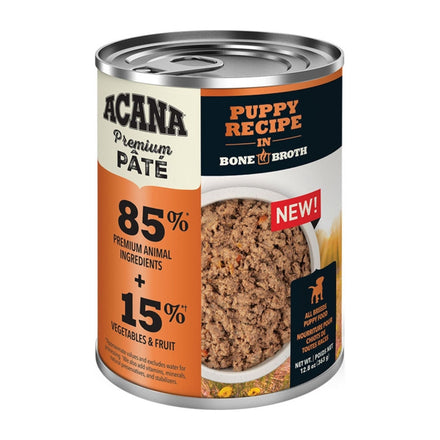
Acana Dog Grain Free Premium Chunks Puppy Recipe In Bone Broth 12.8oz. (Case of 12)
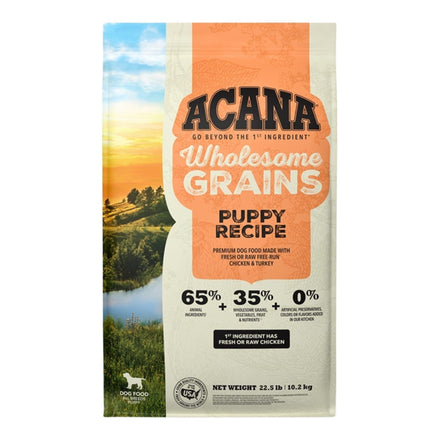
Acana Dog Wholesome Grains Puppy 22.5Lbs

Bocce'S Bakery Dog Puppy Training Bites Bac'N Nutty 3oz
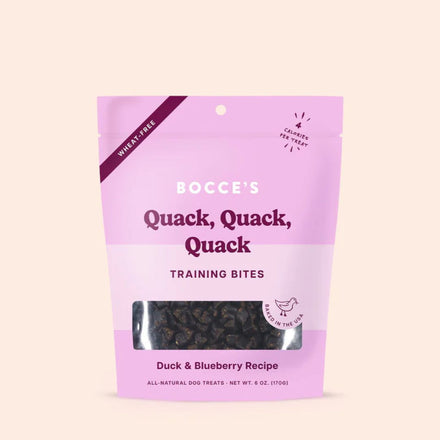
Bocce'S Bakery Dog Puppy Training Bites Quack Quack Quack 3oz

Cloud Star Dog Tricky Trainer Chewy Puppy Lamb 5Oz
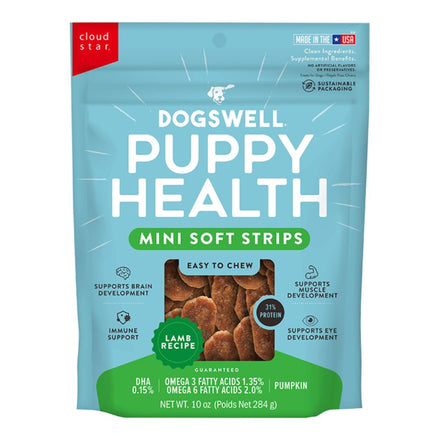
Dogswell Dog Lifestage Puppy Treats Mini Soft Strips Lamb 10Oz

Firstmate Dog Grain Friendly Large Breed Puppy + Adult 25Lb.
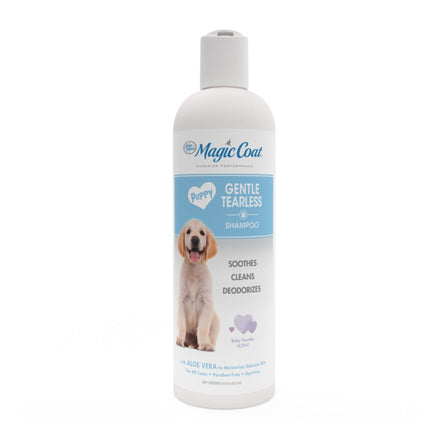
Four Paws Magic Coat Gentle Tearless Puppy Shampoo Baby Powder, 1ea/16 oz 1 ct

KONG Binkie Puppy Toy Small
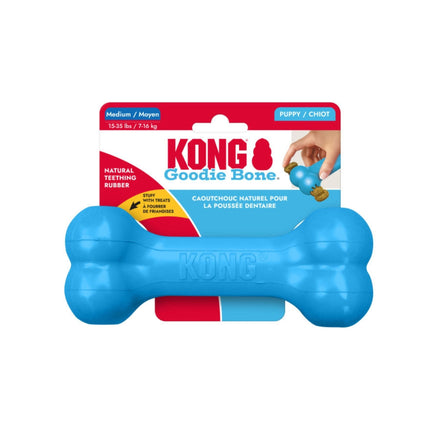
KONG Goodie Bone Puppy Toy Blue Medium

KONG Goodie Bone Puppy Toy Small

KONG Puppy Tires Dog Toy Medium/Large
Keep Treats Under 10%: Vet Backed Puppy Nutrition for New Owners
72 Hour New Puppy Checklist: Before Pickup to Week One
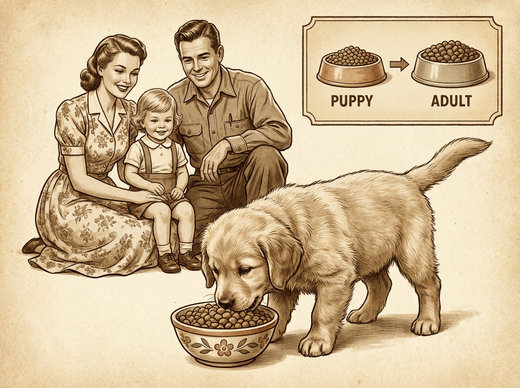
Puppy-Proofing Your Home: A Room-by-Room Safety Checklist
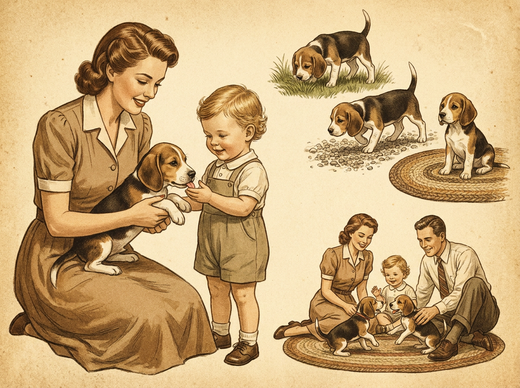
Puppy Socialization: The Window That Closes Faster Than You Realize
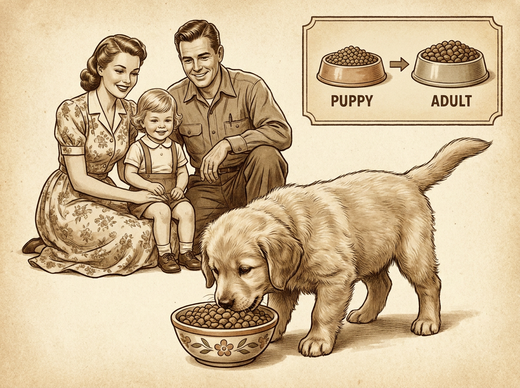
Puppy Nutrition 101: What to Feed, How Often, and Why It Matters More Than You Think
The whole guide, free to read right here — habitat, diet, lighting, troubleshooting and a first-48-hours quick start. No email required.
There is nothing quite like the first night a puppy is home. The house is suddenly full of tiny toenails on the floor, a warm little body that smells faintly of biscuits, and a creature who has just left the only family it has ever known and is now trusting you with everything. It is a joy, and it is also a lot of work. Puppies chew, cry, pee on the rug, and wake you at 5 a.m. with a face like pure sunshine. This guide is here to help you get through the hard parts with a clear head and a good sense of humor, so the next 12 to 24 months build the kind of bond you will treasure for the next decade or more.
This guide is about puppyhood only, from the day your puppy comes home at about 8 weeks until it is fully grown, which is roughly 12 months for small breeds and up to 18 to 24 months for large and giant ones. We also have a general Dog guide that covers adult-dog care across all life stages, and we will not repeat that material here. Here we stay focused on the things that matter most while your dog is small: housetraining, socialization, vaccines, teething, growth, and the first big lessons. One note before we start: your veterinarian knows your puppy, and we do not. Everything here is safe, general guidance. Where it touches on medical decisions, your vet has the final word.
What should be in the house on day one, and what to look for in each category.
Ready to set up? Browse the essentials in our collections: Dry Dog Food, Dog Harness, Collar & Tag and Dog Beds.
Enrichment, one click away. Shop Dog Toys and Calming & Stress Relief Supplements.
A puppy is, in the most literal sense, a baby. A dog at 8 weeks has a brain still wiring itself, a body that tires quickly, and an immune system that is not finished. The first year is when it learns what the world is, who is safe, and what you want from it. That makes puppyhood the most important teaching window of a dog's life, and also the one most worth enjoying.
Puppies sleep 18 to 20 hours a day. That is not laziness; it is how they grow. Expect a puppy to play hard for 20 to 40 minutes, then drop mid-step into a heap and sleep for an hour or two. An overtired puppy is a cranky puppy, and many "bad behavior" episodes in the evening are really just a baby who needs a nap.
Puppies also explore with their mouths, because they have no hands. They bite, mouth, and chew everything. They have short attention spans (a minute or two for a new lesson at first), they startle easily, and they bounce back fast when you stay calm.
Puppies learn a great deal from their mother and littermates in the first eight weeks: how hard is too hard to bite, how to read body language, how to settle. Responsible breeders and shelters generally do not send puppies to new homes before about 8 weeks. Be wary of anyone offering a much younger puppy, and ask your vet if you have questions about a specific age.
How long a puppy stays a puppy depends mostly on how big it will be. Smaller dogs finish growing sooner; larger dogs take much longer, and their bones and joints need extra care while they do.
| Size group | Typical adult weight | Approximate age near adult size | What it means for you |
|---|---|---|---|
| Toy | Under about 10 lb | About 9 to 12 months | Fragile at first, prone to low blood sugar, tiny meals |
| Small | About 10 to 25 lb | About 9 to 12 months | Fast growth, then plenty of energy and a long adolescence |
| Medium | About 25 to 50 lb | About 12 to 15 months | A middle path, with a long goofy teenage phase |
| Large | About 50 to 100 lb | About 15 to 18 months, sometimes longer | Needs large-breed puppy food and careful, gradual exercise |
| Giant | Over about 100 lb | About 18 to 24 months | Slowest growth, greatest joint risk, and the biggest chewing power |
These ranges are approximate, and individual dogs vary. A mixed-breed puppy's adult size can be hard to guess. Your vet can estimate it from paw size, growth curve, and parentage if known.
The chart below describes the big picture by age. It is a guide, not a deadline: some puppies hit milestones early and some late, and breed size changes the pace. We do not give exact weights here because puppies vary so much; your vet will weigh your puppy at each visit and tell you if the curve looks right. In general, a healthy puppy gains weight steadily and quickly early on, then more slowly as it approaches adult size.
| Age | Weight trend | Meals per day | Milestones |
|---|---|---|---|
| 8 to 10 weeks | Rapid, steady gain | 3 to 4 | Arrives home; first vet visit; learning name, crate, and potty spot |
| 10 to 12 weeks | Rapid, steady gain | 3 to 4 | Vaccine series continues; socialization window is wide open; starts sleeping longer at night |
| 3 to 4 months | Still fast | 3 (some 3 to 4 for toy breeds) | Vaccine series wraps up near 16 weeks; baby teeth begin to loosen |
| 4 to 6 months | Fast, then slowing | 3, moving to 2 by around 6 months | Adult teeth erupt; chewing peaks; adolescence begins |
| 6 to 9 months | Slower gain | 2 | Adult teeth in place; teenage independence; fear periods possible |
| 9 to 12 months | Slow gain; small breeds near adult size | 2 | Small breeds reach adult size; training is tested hard |
| 12 to 24 months | Gradual; large and giant breeds fill out | 2 | Large and giant breeds finish growing; social maturity develops |
Meal counts are typical, and your vet may adjust them. Toy and small breeds may do better with more frequent small meals for longer.
Puppy-proofing is a lot like baby-proofing, with a twist: puppies can reach farther, chew harder, and eat things babies would never touch. Take 30 minutes before your puppy comes home, get down on your hands and knees, and look at every room from a puppy's point of view.
| Area | Common hazards | What to do |
|---|---|---|
| Kitchen | Trash cans, food on counters, cleaning supplies, low cabinets, dropped grapes, onions, or chocolate | Use a lidded or cabinet-stored trash can; childproof latches on low cabinets; keep counters clear |
| Living room | Electrical cords, remote controls, shoes, houseplants, small decor, candles | Tuck cords behind furniture or use cord covers; move plants to high shelves; keep small items off the floor |
| Bedrooms | Socks, underwear, jewelry, medications, hair ties | Keep closets closed; store medications in closed cabinets; use a hamper with a lid |
| Bathroom | Medications, razors, cleaning products, toilet cleaner tablets, trash | Keep the door shut; secure the lid on the toilet if you use cleaning tablets |
| Garage and basement | Antifreeze, chemicals, rodent poison, tools, fertilizer | Keep puppies out entirely; store products on high shelves in sealed containers |
| Yard | Gaps in fencing, toxic plants, pools, compost, garden products, hot surfaces | Walk the fence line for gaps; supervise every minute; keep garden products and compost out of reach |
| Stairs | Falls | Use a gate at the top and bottom; carry small puppies up and down |
A note on antifreeze: it is sweet-tasting and deadly, and even a small amount can be an emergency. Clean up spills immediately and call a vet or poison hotline right away if you suspect a puppy has had any.
Many common houseplants and garden plants can make a puppy sick. If you are not sure whether a plant is safe, move it out of reach and check with your vet or the ASPCA Animal Poison Control Center at (888) 426-4435 (a consultation fee may apply). Medications are another leading cause of poisoning: ibuprofen, acetaminophen, and many human prescriptions are dangerous to dogs, so keep all pills in closed cabinets and never give a puppy human medication unless your vet says to.
Pick a small area with an easy-clean floor and a gate or exercise pen. Put the crate (with its divider set so there is only enough room to stand, turn, and lie down), the water bowl, and a couple of safe chew toys inside. Let the puppy come and go from the zone when you are home and watching, and close the crate door for naps and when you cannot supervise.
Housetraining is not about teaching a puppy to "be good." It is about giving a baby with a very small bladder frequent chances to go in the right place, and rewarding it every time it does. Patience and consistency beat everything else. Most puppies have mostly reliable habits in a few months, though full reliability can take longer, and small breeds often take more time.
A rough, approximate rule of thumb: a puppy can hold its bladder for about its age in months plus one, in hours. A 2-month-old puppy might last 3 hours, a 3-month-old about 4 hours, and so on. This is a ceiling for daytime, not a goal; most young puppies need to go out sooner, especially after play or a meal. Individual puppies and small breeds vary, and a puppy who is drinking a lot, playing hard, or excited will need to go sooner. Overnight, puppies sleep longer than the formula suggests, but very young ones may still need one or two trips.
| Puppy age | Approximate maximum daytime wait | Typical daytime routine |
|---|---|---|
| 8 to 10 weeks | About 2 to 3 hours | Out every 1 to 2 hours while awake |
| 3 months | About 3 to 4 hours | Out every 2 hours while awake |
| 4 months | About 4 to 5 hours | Out every 2 to 3 hours while awake |
| 5 to 6 months | About 5 to 6 hours | Out every 3 to 4 hours |
| 6 months and up | About 6 to 8 hours at most | Regular schedule, with reliable habits |
Accidents are information, not misbehavior. If you catch your puppy in the act, calmly interrupt with a cheerful "oops," carry it outside, and reward it if it finishes there. If you find the accident later, say nothing and clean it up. Puppies cannot connect a scolding to something that happened minutes ago, and punishment (including rubbing a nose in it) teaches only that you are scary, which can lead to puppies hiding to potty.
Clean every accident with an enzymatic cleaner, which breaks down the odor compounds in urine that regular cleaners leave behind. If the smell remains, the puppy will go there again. Avoid ammonia-based cleaners, which smell like urine to a dog.
A crate is a safe den, not a jail. Dogs naturally avoid soiling where they sleep, which makes a correctly sized crate a powerful housetraining tool.
If crying is intense and does not ease, see the Common Challenges section.
Your veterinarian directs all vaccines, parasite prevention, and timing. What follows is the typical pattern so you know what to expect and what questions to ask. Protocols differ by region, risk, and the individual puppy.
Plan to see your vet within the first few days of bringing your puppy home. Bring any records from the breeder or shelter, a fresh stool sample if you can, and a list of questions. The vet will weigh the puppy, check its heart, lungs, eyes, ears, teeth, and joints, and talk about vaccines, parasite prevention, feeding, and when to spay or neuter.
Because the antibodies a puppy gets from its mother fade at unpredictable times, puppies receive vaccines in a series of several visits, usually spaced a few weeks apart, through about 16 weeks of age. Your vet will build the exact schedule.
| Typical timing | What your vet may do | Notes |
|---|---|---|
| First visit (about 6 to 8 weeks) | Exam, first distemper and parvovirus combination vaccine, deworming | Records from the breeder are very helpful |
| About 10 to 12 weeks | Second combination vaccine, possible additional vaccines based on risk | Your vet may recommend other vaccines depending on where you live and your lifestyle |
| About 14 to 16 weeks | Final combination vaccine in the series | The series generally finishes around 16 weeks |
| About 12 to 16 weeks | Rabies vaccine, as required by law | Timing and requirements vary by state and local law |
| From early on | Heartworm prevention and flea and tick prevention | Your vet picks a product that is safe for your puppy's age and weight |
| About 1 year | Booster visit | Your vet will explain the long-term plan |
Core vaccines are those recommended for all puppies. They protect against serious diseases, including distemper and parvovirus, which are combined in a single series, and rabies, which is required by law in most places. Non-core vaccines (such as those for kennel cough or Lyme disease) depend on your puppy's risk, and your vet will help you decide.
Parvovirus ("parvo") is a highly contagious and dangerous virus that attacks the gut. Puppies who have not completed their vaccine series are the most at risk. The virus can survive in the environment for a long time, on soil, grass, shoes, and paws.
Warning signs include: sudden lethargy, loss of appetite, vomiting, severe or bloody diarrhea with a distinct foul smell, fever, and rapid dehydration.
Treat this as an emergency. If your puppy has these signs, call your vet or emergency clinic right away, tell them you suspect parvovirus so they can prepare to isolate your puppy, and do not wait to see if it passes. Early treatment makes a significant difference.
Here is the tough one. The prime window for socialization closes at around 14 to 16 weeks, but the vaccine series is not complete until about the same time. Waiting until all shots are done means missing a vital period; going everywhere before then risks disease. Your vet will advise which places are safe where you live. In general:
A growing puppy needs more calories per pound than an adult, plus precisely balanced protein, fat, calcium, and phosphorus. The easiest, safest way to deliver all of this is a complete-and-balanced puppy food. Our rule at Walnut Creek Supply is the same one we follow at home: clean fuel, no junk, and no mystery ingredients.
Dogs expected to weigh 50 pounds or more as adults should eat a large-breed puppy formula. These foods have controlled calcium and calories so the puppy grows steadily rather than too fast. Growing too fast can contribute to developmental bone and joint problems in large breeds. Two tips:
Very small puppies have little energy reserve. If they miss a meal, they can develop hypoglycemia (low blood sugar), which causes weakness, wobbling, trembling, or collapse. Feed toy-breed puppies small, frequent, regular meals, never skip one, and call your vet right away if you see these signs. Your vet may suggest what to have on hand for emergencies.
| Age | Meals per day | Notes |
|---|---|---|
| 8 to 12 weeks | 3 to 4 | Small portions at regular times; toy breeds stay on the higher end |
| 3 to 6 months | 3 | Many puppies move to 3 meals around 12 to 16 weeks |
| About 6 months and up | 2 | Most puppies move to 2 meals a day by about 6 months |
Follow the feeding guide on the bag as a starting point, then adjust to your puppy's body condition, with your vet's guidance. Measure meals with a real measuring cup and not by eyeballing. Free-feeding (leaving food out all day) makes housetraining harder and weight harder to track. Give your puppy about 15 to 20 minutes to eat, then pick up the bowl.
If you need to switch foods, go gradually over 7 to 10 days. Start with about a quarter of the new food mixed with three quarters of the old, then move to half and half, then three quarters new, then all new. If the stool gets soft or your puppy vomits, slow down.
Fresh, clean water should always be available, except for the pre-bedtime break in the housetraining plan. Wash bowls daily.
If your puppy eats any of these, call your vet, the ASPCA Animal Poison Control Center at (888) 426-4435, or the Pet Poison Helpline at (855) 764-7661 right away. A consultation fee may apply, and it is worth it.
| Food | Why it is dangerous | What to do |
|---|---|---|
| Xylitol (a sweetener in sugar-free gum, candy, some baked goods, and some peanut butters) | Can cause a rapid drop in blood sugar and liver damage, even in small amounts | Emergency: call right away |
| Chocolate (especially dark and baking chocolate) | Contains compounds toxic to dogs; effects vary with the amount and type | Call a vet or poison line promptly |
| Grapes and raisins | Can cause kidney failure in some dogs | Call a vet promptly |
| Onions and garlic | Can damage red blood cells | Call a vet; avoid in all forms |
| Macadamia nuts | Can cause weakness, vomiting, and tremors | Call a vet |
| Alcohol and raw yeast dough | Alcohol is toxic; rising dough can expand in the stomach | Emergency: call right away |
| Cooked bones | Can splinter and puncture the gut or block it | Call a vet if swallowed |
Shop the food and supplies: Browse Dry Dog Food and Dog Wet Food.
The sensitive period for socialization runs roughly from 3 to 14 to 16 weeks of age. During these weeks, puppies are more open to new things, and what they experience gently and positively shapes how they feel about the world as adults. Do not worry if you got your puppy at 8 weeks; you still have weeks to work with. Socialization continues through adolescence, so keep going after the window narrows.
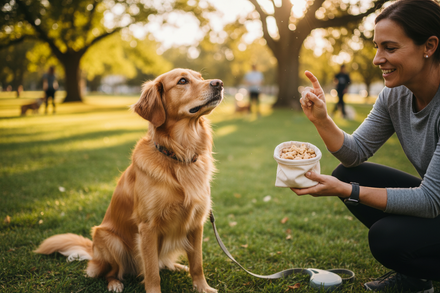
Reward what you like, and puppies will repeat it. Use small treats, praise, and play. Do not use physical corrections, yelling, or intimidation; these can make a puppy fearful and can damage trust. If a puppy does something you do not like, redirect it to something it can do, and reward that.
Keep training sessions short, about 3 to 5 minutes for young puppies, a few times a day. End on a success. A tired or overexcited puppy is not ready to learn.
Puppies learn how hard is too hard from littermates, who yelp and stop playing when bitten too hard. You can continue that lesson. When teeth touch skin, calmly say "ouch," stop the game, and withdraw your attention for a few seconds. Then offer an appropriate toy and praise when the puppy takes it. Over weeks, the goal is a soft mouth, then no teeth on skin. Never hit or hold a puppy's mouth shut.
| Skill | How to start | Tips |
|---|---|---|
| Name | Say the name in a happy voice; when the puppy looks at you, mark and treat | Never use the name for scolding |
| Sit | Lure a treat over the nose so the bottom drops; mark and reward | Practice before meals and at doors |
| Down | From a sit, lure the treat toward the floor between the paws | Be patient; some puppies take time |
| Come | Run backward, call happily, reward generously when the puppy arrives | Never call your puppy to punish it |
| Leash walking | Let the puppy wear a light leash indoors, then reward steps beside you | Stop when the leash goes tight; move on when it relaxes |
| Handling and grooming | Touch paws, ears, mouth, and tail briefly; reward calm acceptance | Practice daily, and add a soft brush and nail trims |
| Settle | Reward the puppy for lying down calmly on a mat or bed | Great for restaurants, visitors, and quiet time |
Handling tolerance deserves its own mention. A puppy who learns to accept touch and gentle restraint will be easier for you, the groomer, and the vet for the rest of its life.
A good puppy class, one that requires proof of vaccination, uses positive methods, and keeps groups small, teaches skills and gives safe social time. Ask to watch a class before you sign up. Look for calm instructors, short sessions, and no harsh tools.
Puppies are born without teeth. Baby teeth start to come in at about 2 to 4 weeks, and by about 8 weeks most puppies have all 28 baby teeth. Between roughly 3 and 7 months, those teeth loosen and fall out (you may find tiny ones on the floor, or never see them, because puppies often swallow them harmlessly), and 42 adult teeth come in, usually complete by about 6 to 7 months. Gums are sore during this time, which is why chewing peaks. Ask your vet to check that no baby teeth are being retained when adult teeth come in alongside them.
Chewing is normal and necessary. The goal is to give your puppy plenty of safe things to chew so it leaves your shoes alone.
| Chew category | Good for | What to watch |
|---|---|---|
| Firm rubber toys | Everyday chewing; can be stuffed with food | Choose a size too large to swallow; replace when cracked |
| Soft or rope toys | Gentle play and tug | Supervise; remove frayed pieces, since swallowed strings can block the gut |
| Frozen toys or damp frozen washcloths | Sore gums during teething | Supervised only; cold and soft, not rock hard |
| Food puzzles and lick mats | Mental work and calming | Count the food in the daily total |
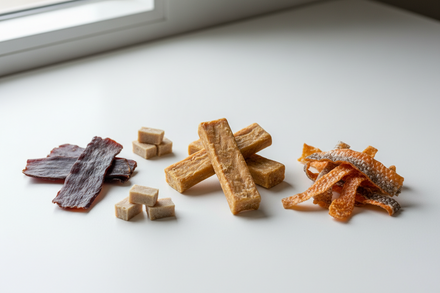
| Edible chews labeled for puppies | Short, supervised sessions | Pick a digestible one, and take it away when it gets small |
Avoid hard items that can break teeth, such as real bones, antlers, hooves, and hard plastic or nylon that does not give slightly under a thumbnail. Avoid cooked bones entirely, and anything small enough to swallow or break into sharp pieces. A good rule: if you cannot dent it slightly with a fingernail, it may be too hard. Take away any toy that is breaking apart.
Every puppy has a bad week. Here is what you will probably see, and what to do about it. Individual puppies and situations vary, and when in doubt, call your vet.
What you see: Sharp teeth on hands, ankles, and clothes, especially when excited or tired. Why it happens: Puppies explore with their mouths and are teething. What to do: Redirect to a toy, pause play when teeth touch skin, and make sure naps happen. Reward gentle behavior. When to call: Ask a trainer or vet if biting is intense, comes with growling or stiffness, or is aimed at guarding food or toys.
What you see: Whining or barking in the crate after bedtime. Why it happens: The puppy is lonely, needs to go out, or is simply adjusting. What to do: Do a final potty trip, keep the crate near you, and give a comfort item. Take the puppy out calmly if it has been several hours or it is clearly restless, then back to bed. When to call: If crying is nonstop for days, or if the puppy seems ill or in pain.
What you see: Puddles and piles on the floor. Why it happens: Small bladders, a missed cue, or too much freedom. What to do: Tighten the schedule, supervise closely, clean with an enzymatic cleaner, and reward outdoor success. Never punish. When to call: If a previously reliable puppy suddenly has frequent accidents, strains, or drinks much more than usual, as it could be a urinary tract infection or other issue.
What you see: Shoes, furniture, and cords being chewed. Why it happens: Teething and boredom. What to do: Puppy-proof, supervise, offer approved chews, and trade, never chase, when the puppy has something forbidden. When to call: If the puppy swallows anything it should not (see below).
What you see: Soft or watery stool. Why it happens: Food changes, stress, parasites, a dietary indiscretion (eating something it should not), or illness. What to do: Keep water available, avoid new foods and treats, and call your vet for guidance, since puppies dehydrate quickly. When to call: The same day if there is blood, vomiting, lethargy, loss of appetite, or if it lasts more than a day. Treat bloody diarrhea in a young puppy as a possible parvovirus emergency.
What you see: Missing socks, toy pieces, or a puppy who is vomiting, drooling, gagging, painfully hunched, or not eating or pooping. Why it happens: Puppies taste everything. What to do: Call your vet right away if you know or suspect something was swallowed. Do not induce vomiting unless a vet or poison line tells you to. When to call: Immediately. A blockage can be an emergency.
What you see: A honking, hacking cough, sometimes ending in a gag. Why it happens: A contagious respiratory illness spread where dogs gather. What to do: Keep the puppy away from other dogs and call your vet. When to call: Soon, and right away if there is labored breathing, fever, lethargy, or loss of appetite, since puppies can get serious complications.
What you see: Scratching, tiny dark specks in the coat, or a small bump attached to the skin. Why it happens: Outdoor exposure, especially in warm months. What to do: Use only a vet-chosen preventive that is safe for your puppy's age and weight, and check the coat after outdoor time. When to call: For heavy infestations (fleas can cause anemia in small puppies), for a tick you cannot remove, or any redness and swelling.
What you see: Barking, pacing, drooling, destruction, or accidents when left alone. Why it happens: Puppies are social and haven't learned that you come back. What to do: Practice short, calm departures that build up gradually. Skip dramatic goodbyes and greetings, give a puzzle toy, and exercise first. When to call: If distress is severe, or the puppy hurts itself or is not improving after several weeks; ask your vet or a trainer for help.
What you see: A normally bold puppy suddenly startles at things it used to ignore. Why it happens: Puppies go through developmental phases of heightened caution, often during adolescence. What to do: Stay calm, don't force it, keep distance, and let the puppy approach at its own pace with treats. When to call: If fear is extreme, lasting, or leads to aggression.
What you see: Paws on legs, chests, and guests. Why it happens: Puppies greet faces, and jumping gets attention. What to do: Turn away, wait for four paws on the floor, then reward. Ask visitors to do the same, and teach "sit" for greetings. When to call: Rarely; a trainer can help if it persists.
What you see: A puppy who drags you down the street. Why it happens: It's exciting out there, and pulling works. What to do: Stop moving when the leash tightens, then reward when it loosens. Keep walks short and treat-rich, and practice in quiet places first. When to call: If your puppy coughs and gags, or you cannot manage a large puppy, ask a trainer.
What you see: Drooling, lip licking, whining, or vomiting on rides. Why it happens: Immature balance systems and nerves. What to do: Start with short trips to fun places, secure the puppy facing forward, keep the car cool and well ventilated, and ask your vet before a long drive. When to call: If it does not improve with age, your vet has options to discuss.
| What you see | Likely cause | What to do | Vet urgency |
|---|---|---|---|
| Bloody diarrhea, vomiting, lethargy | Possible parvovirus or serious illness | Call a vet or emergency clinic now | Emergency |
| Suspected swallowed object | Curious chewing | Call your vet; do not induce vomiting unless told | Same day |
| Honking cough | Kennel cough | Isolate and call a vet | Within a day |
| Loose stool, otherwise bright | Diet change, stress, mild upset | Keep water up, bland routine, call your vet | If it lasts over a day |
| Heavy scratching or ticks | Fleas or ticks | Vet-chosen preventive | Within days |
| Sudden accidents in a trained puppy | Possible urinary infection | Call your vet | Within a day or two |
| How often | What to do |
|---|---|
| Daily | Feed measured meals at regular times and refresh clean water |
| Daily | Take the puppy out after waking, eating, drinking, and play, and reward every success |
| Daily | Run two or three short training sessions and a few minutes of handling practice |
| Daily | Check the stool, appetite, energy, and eyes for anything unusual |
| Daily | Supervise or confine, and offer safe chews and a nap schedule |
| Weekly | Wash bowls, bedding, and toys; check toys for damage |
| Weekly | Brush the coat, look in the ears, and check paws and between toes |
| Weekly | Practice a new social experience that is positive and gentle |
| Weekly | Check the collar and harness fit, because puppies outgrow them fast |
| Monthly | Give heartworm and flea and tick prevention as directed by your vet |
| Monthly | Trim nails or practice the clipper or grinder routine |
| Monthly | Weigh the puppy or note body condition, and adjust portions with your vet |
| Per vet schedule | Vaccine series visits through about 16 weeks, and deworming as directed |
| Per vet schedule | Discuss spay or neuter timing, microchip, and licensing |
| Around 6 months | Check that adult teeth have come in and baby teeth are gone; move to two meals a day if your vet agrees |
| Around 12 months | Booster visit; talk to your vet about moving from puppy food to adult food, with large breeds switching later |
Puppies can go downhill fast, because small bodies dehydrate and lose blood sugar quickly. When you are unsure whether to call, call.
Go today, as an emergency:
Book within a day or two:
Bring vaccine records, a stool sample if possible, and notes on food, symptoms, and timing. Find an emergency clinic ahead of time and keep its number near your phone. For poison questions, the ASPCA Animal Poison Control Center is at (888) 426-4435 and the Pet Poison Helpline is at (855) 764-7661.
Puppies can go to their own yard's potty spot on day one, since housetraining begins right away, but they should avoid public places where unvaccinated dogs go until your vet says the vaccine series is far enough along. Carrying your puppy, safe visits with healthy vaccinated dogs, and vaccination-checked puppy classes keep socialization going. Your vet knows the disease risk in your area and will tell you when sidewalks, parks, and trails are safe.
Most puppies eat three to four small meals a day from about 8 weeks to 12 to 16 weeks, then three meals, and then two meals a day by around 6 months, with your vet guiding the changes. Toy breeds may need more frequent meals to avoid low blood sugar. Use a complete-and-balanced puppy food, measure portions, and keep treats under about 10 percent of daily calories.
Young puppies sleep about 18 to 20 hours a day, and that is normal and necessary for growth. Expect short bursts of play followed by deep naps. An overtired puppy can get nippy and wild, so build naps into the schedule, ideally in the crate. As puppies mature, they sleep less, and most adult dogs settle into 12 to 14 hours, though it varies.
Most puppies show real progress within a few weeks and have mostly reliable habits after a few months, but it varies with age, breed, and consistency. Small breeds often take longer because of tiny bladders. A rough guide is that a puppy can wait about its age in months plus one, in hours. Frequent trips, immediate rewards, and good supervision are the fastest route.
Teething usually runs from about 3 to 7 months. Baby teeth (28) fall out as adult teeth (42) come in, and most puppies have all their adult teeth by about 6 to 7 months. Chewing can stay strong for some time afterward, especially in adolescence. Offer safe chews, supervise, and ask your vet to check for retained baby teeth.
Your vet decides, but the usual pattern is a core series of the distemper and parvovirus combination vaccine, given in several visits a few weeks apart through about 16 weeks, and a rabies vaccine as required by law. Other vaccines, such as those for kennel cough or Lyme disease, depend on your puppy's risk. Heartworm and flea and tick prevention, and deworming, also start early.
Biting is normal puppy behavior, and the goal is to teach a soft mouth. When teeth touch skin, say "ouch," pause the game for a few seconds, and then redirect to a chew toy and praise. Give plenty of naps and exercise, since tired puppies bite more. Never hit or yell. If biting seems aggressive or is not improving, ask your vet or a positive-reinforcement trainer.
Put the crate near your bed, size it with a divider, and make it cozy. Take the puppy out right before bed, then crate it. If it cries, wait to see if it settles. If it needs to go, take it out quietly, with no play, and put it back. Expect one or two night trips at first, shrinking over several weeks. Never use the crate as punishment.
Right away, on day one. Puppies can learn their name, sit, and where to potty at 8 weeks. Keep sessions to a few minutes, use small treats, and focus on positive reinforcement. Early socialization during the sensitive window of roughly 3 to 14 to 16 weeks matters most. Formal classes can start once your vet says the vaccine schedule allows.
This is a decision for you and your vet, because timing varies with breed size, health, and your goals. Vets often recommend earlier for small dogs and may suggest waiting longer for large and giant breeds, whose growth can be affected. Ask about benefits and risks, and plan the timing at one of your first puppy visits.
Ready to shop? Start with Dogs!. 10% of every purchase supports no-kill animal shelters.
Before we earn a dime, 10% of every purchase at Walnut Creek Supply goes to no-kill animal shelters across the country. Not an add-on at checkout, and not a promotion that ends. It comes off the top of every order, because we believe caring for your own animals and caring for those still waiting for a home are two halves of the same promise.
For puppy families, that gift has a special meaning. Shelters and rescues are full of dogs who started out as somebody's wiggly puppy, and a lot of them ended up there simply because a family did not know what to expect. You are reading this guide, which means you are doing it differently. If you are still deciding on a dog, please consider a shelter or rescue, where many wonderful puppies and young dogs are waiting.
We are a family business in Christiana, Lancaster County, Pennsylvania. We grow our own food, keep our own animals, and stock the clean-label, American-made goods we would put in front of our own puppies: no mystery ingredients, no cheap filler toys. If you have a question about food, chews, crates, or what to pack for the first night, call us at (717) 983-8069. We would love to talk it over.
Congratulations on your new best friend. Be patient, be kind, keep the treats coming, and enjoy every sleepy, silly day of it.
_From our family to yours,_ Walnut Creek Supply, Christiana, Lancaster County, Pennsylvania _walnutcreeksupply.com_
Puppies can go to their own yard's potty spot on day one, since housetraining begins right away, but they should avoid public places where unvaccinated dogs go until your vet says the vaccine series is far enough along. Carrying your puppy, safe visits with healthy vaccinated dogs, and vaccination-checked puppy classes keep socialization going. Your vet knows the disease risk in your area and will tell you when sidewalks, parks, and trails are safe.
Most puppies eat three to four small meals a day from about 8 weeks to 12 to 16 weeks, then three meals, and then two meals a day by around 6 months, with your vet guiding the changes. Toy breeds may need more frequent meals to avoid low blood sugar. Use a complete-and-balanced puppy food, measure portions, and keep treats under about 10 percent of daily calories.
Young puppies sleep about 18 to 20 hours a day, and that is normal and necessary for growth. Expect short bursts of play followed by deep naps. An overtired puppy can get nippy and wild, so build naps into the schedule, ideally in the crate. As puppies mature, they sleep less, and most adult dogs settle into 12 to 14 hours, though it varies.
Most puppies show real progress within a few weeks and have mostly reliable habits after a few months, but it varies with age, breed, and consistency. Small breeds often take longer because of tiny bladders. A rough guide is that a puppy can wait about its age in months plus one, in hours. Frequent trips, immediate rewards, and good supervision are the fastest route.
Teething usually runs from about 3 to 7 months. Baby teeth (28) fall out as adult teeth (42) come in, and most puppies have all their adult teeth by about 6 to 7 months. Chewing can stay strong for some time afterward, especially in adolescence. Offer safe chews, supervise, and ask your vet to check for retained baby teeth.
Your vet decides, but the usual pattern is a core series of the distemper and parvovirus combination vaccine, given in several visits a few weeks apart through about 16 weeks, and a rabies vaccine as required by law. Other vaccines, such as those for kennel cough or Lyme disease, depend on your puppy's risk. Heartworm and flea and tick prevention, and deworming, also start early.
Biting is normal puppy behavior, and the goal is to teach a soft mouth. When teeth touch skin, say "ouch," pause the game for a few seconds, and then redirect to a chew toy and praise. Give plenty of naps and exercise, since tired puppies bite more. Never hit or yell. If biting seems aggressive or is not improving, ask your vet or a positive-reinforcement trainer.
Put the crate near your bed, size it with a divider, and make it cozy. Take the puppy out right before bed, then crate it. If it cries, wait to see if it settles. If it needs to go, take it out quietly, with no play, and put it back. Expect one or two night trips at first, shrinking over several weeks. Never use the crate as punishment.
Right away, on day one. Puppies can learn their name, sit, and where to potty at 8 weeks. Keep sessions to a few minutes, use small treats, and focus on positive reinforcement. Early socialization during the sensitive window of roughly 3 to 14 to 16 weeks matters most. Formal classes can start once your vet says the vaccine schedule allows.
This is a decision for you and your vet, because timing varies with breed size, health, and your goals. Vets often recommend earlier for small dogs and may suggest waiting longer for large and giant breeds, whose growth can be affected. Ask about benefits and risks, and plan the timing at one of your first puppy visits.
Every puppy article we've published, in one place.