


Best Ferret Cage Accessories 2026: Top Picks & Guide
Discover the best ferret cage accessories for 2026. Compare hammocks, tunnels, liners, and bedding with real prices and safety tips for a happy ferret.

Last Updated: October 23, 2026
Quick Summary
The best ferret cage accessories pair soft fleece hammocks and enclosed hideaways with tunnels, litter pans, and attachable bowls. Our top picks include the Hangin' Monkey Hammock ($31.99), Pop-N-Play Ball Pit ($31.99), Woven Grass Mat ($8.99), Lee's Hi Back Cage Pan ($11.99), and Bed Sleeping Bag ($26.16).
- Hang the hammock on all four metal swivel clips and check them monthly for loosening.
- Choose tunnels with an interior diameter of at least 4 inches, or 5 inches for larger males.
- Wash fleece hammocks and sleepers weekly on gentle cycle in cold water.
- The Bed Sleeping Bag comes in Small, Large, and X-Large sizes based on weight.
- Set up in order: litter pan, bowl, ramp cover, hammock and mat, then tunnels.
Table of Contents
- Why the Right Ferret Cage Accessories Matter in 2026
- Quick Comparison: Top Ferret Cage Accessories at a Glance
- Best Ferret Hammocks for Rest and Play
- Ferret Tunnels for Cages That Encourage Exercise
- Ferret Cage Liners and Bedding: Comfort Meets Hygiene
- Safe Ferret Bedding and Hideaways for Deep Sleep
- Litter Boxes, Bowls, and Ramp Covers: The Practical Essentials
- Accessory Safety, Cleaning, and Replacement Schedule
- Frequently Asked Questions
Why the Right Ferret Cage Accessories Matter in 2026
A ferret cage without proper accessories is just a wire box. Ferrets sleep up to 18 hours a day and spend their waking hours burrowing, tunneling, climbing, and stashing toys.
The most important thing to understand about ferret cage accessories: ferrets need soft surfaces underfoot, enclosed sleeping spots, and things to push through. Wire floors and open shelves alone cause paw wear and boredom.
Key Takeaway
Match every accessory to three things: your cage's bar spacing, your ferret's climbing ability, and how often you're willing to wash it. Fit and cleaning schedule decide whether an accessory actually gets used.
Quick Comparison: Top Ferret Cage Accessories at a Glance
Here is the short version before we go category by category. Every item below is something we carry and stand behind.
| Accessory | Price | Best For | Key Detail |
|---|---|---|---|
| Hangin' Monkey Hammock | $31.99 | Sleep and tunneling | Fleece, two openings, four metal swivel clips |
| Pop-N-Play Ball Pit | $31.99 | Active play | Includes 35 plastic balls |
| Woven Grass Mat | $8.99 | Paw protection | Natural woven grass, safe to chew |
| Lee's Hi Back Cage Pan | $11.99 | Litter setup | Hi-back urine guard, anchor hooks |
| Bed Sleeping Bag | $26.16 | Deep sleep | Short velvet, removable cushion, machine washable |
Best Ferret Hammocks for Rest and Play
The best ferret hammocks share three traits: soft fleece, secure metal clips, and enough openings that a ferret never feels trapped. Our pick for most cages is the Marshall Pet Ferrets Hangin' Monkey Hammock ($31.99), made of soft fleece with two openings for tunneling, so it works as a bed and a play structure in one.


Hanging position matters more than most owners realize. Fasten all four metal swivel clips to the cage bars, and hang the hammock where it won't swing against cage sides or other objects.
Pro Tip
Check the swivel clips monthly. A clip that has worked loose under a ferret's weight is the most common cause of hammock falls, and it takes ten seconds to test each one.
Ferret Tunnels for Cages That Encourage Exercise
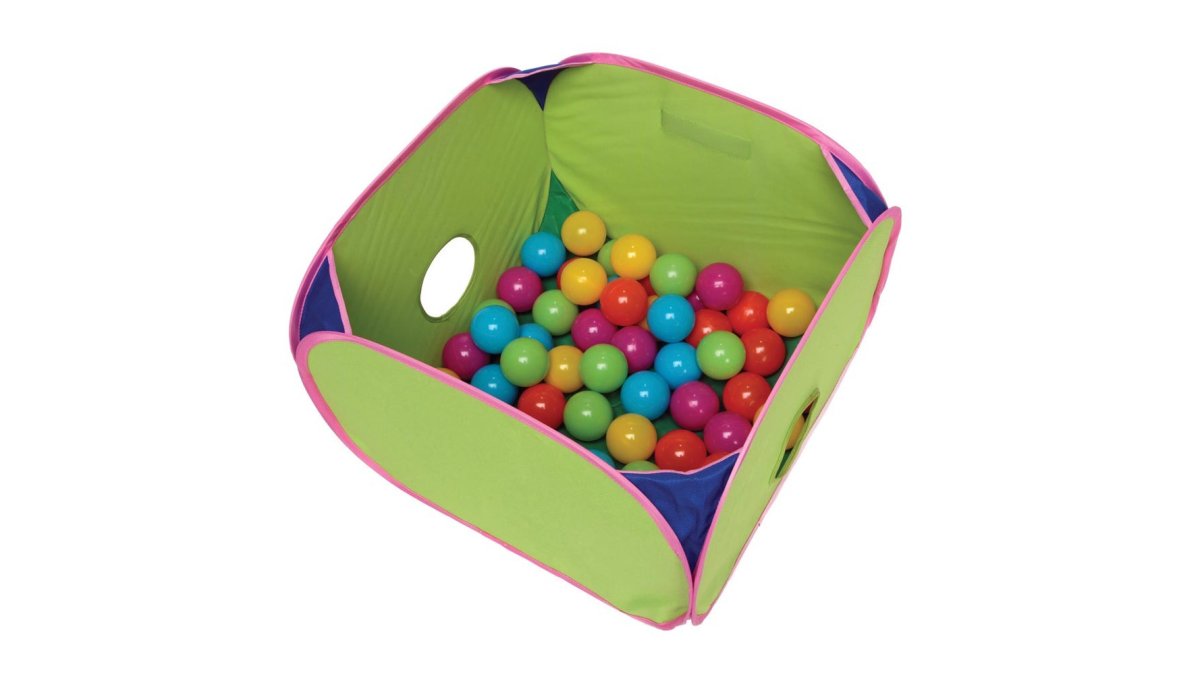
Ferret tunnels for cages solve a specific problem: ferrets are burrowers by instinct, and a cage with nothing to push through gets chewed at the bars instead. The Marshall Pet Ferret Pop-N-Play Ball Pit ($31.99) is our favorite active-play piece, with 35 plastic balls and room for multiple ferrets.

The ball pit is modular: attach a Marshall Super Thruway tunnel to extend the run into a longer exercise circuit. Extra balls are sold separately if yours go missing, which they will.
What to check before you buy any tunnel
Tunnel diameter is the spec most buyers ignore. A ferret needs to turn around inside the tube without scraping its shoulders.
Length matters too. A tunnel shorter than about 12 inches doesn't satisfy the burrow instinct; ferrets push through in one pass and lose interest. Long runs, 24 inches and up, or two shorter tunnels connected, give the back-and-forth movement that keeps a ferret engaged.
Fabric vs. plastic vs. corrugated
| Tunnel type | Best for | Watch for |
|---|---|---|
| Fleece or fabric tunnel | Sleepers and gentle burrowers | Loose seams, exposed stuffing, clips that detach |
| Rigid plastic tube | Active play, multi-ferret circuits | Sharp mold seams, cracks at the connector |
| Corrugated plastic | Cheap enrichment, replaceable | Edges that fray into sharp points; hard to clean |
| Collapsible nylon | Travel and temporary setups | Thin fabric that tears at the wire frame |
Fabric tunnels are safest for a ferret that sleeps in its tunnel, with no hard edges to catch a leg. Rigid plastic tubes suit active play and connecting cage levels. Corrugated plastic is the budget option, but inspect the cut ends, a factory edge can cut a paw, and a quick pass with fine sandpaper fixes it.
Attachment and cage fit
A tunnel that isn't anchored will slide, collapse, or get dragged into a corner. Fasten both ends of a fabric tunnel to cage bars so the tube stays open.
Bar spacing matters here too. A tunnel hung against the cage wall can create a gap a ferret will try to squeeze through. Keep the tunnel at least a bar-width from the wall, or block the gap with a fleece liner.
Enrichment rotation, not overcrowding
The mistake owners make is leaving every tunnel and toy in the cage at once. Ferrets habituate fast; a tube they've run through fifty times stops being interesting. Rotate tunnels weekly and watch which shapes your ferret actually uses, a ferret that ignores a straight tube but works a curved one is telling you how it likes to move. Two or three tunnels in rotation beat six permanent fixtures, and rotation lets you inspect each piece for wear.
Pro Tip
Before a new tunnel goes in the cage, run a finger around both openings and along every seam. If you feel a sharp edge, a loose thread, or a spot where stuffing can be pulled out, fix it or skip the tunnel. Ferrets chew first and ask questions later.
For budget setups, a simple fabric tunnel clipped between two cage levels covers the same instinct at lower cost. Either way, give your ferret something to move through, not just something to sit on.
Ferret Cage Liners and Bedding: Comfort Meets Hygiene
Ferret cage liners and bedding do two jobs: cushion the floor and absorb what ferrets leave behind. Wire-bottom cages are hard on paws, and a liner is the simplest fix. The Marshall Pet Woven Grass Mat ($8.99) is made from natural woven grass and protects sensitive paws from wire flooring.
Hygiene is the other half of the job. Fleece liners and fabric bedding should be washed on a schedule, not when they start to smell. A practical rotation looks like this:
- Fleece hammocks and sleepers: wash weekly on gentle cycle, cold water, tumble dry low
- Woven grass mats: spot clean and replace when frayed or soiled through
- Litter pans: dump and scrub every two to three days
Keeping two sets of washable bedding on hand means one is always clean while the other is in the machine.
Watch Out
Skip cedar and pine shavings as ferret bedding. The aromatic oils in softwood shavings are a known respiratory irritant for small animals. Fleece and woven grass are safer choices.
Safe Ferret Bedding and Hideaways for Deep Sleep
Safe ferret bedding means fabric with no loose threads, no exposed stuffing, and no small parts a ferret can swallow.
The House Cage Accessories Bed Sleeping Bag ($26.16) is our top hideaway pick.
Sizing is where buyers get caught out.
Cleaning is straightforward: the pillowcase removes for separate washing, and the bed itself is machine washable in a laundry bag.
Marshall Pet Ferrets Hangin' Monkey Hammock Brown →
Litter Boxes, Bowls, and Ramp Covers: The Practical Essentials
Litter setup is the accessory category owners underestimate. Ferrets back into a corner to eliminate, so a pan with a high back and a secure anchor makes the difference between a clean cage and a daily scrub. The Lee's Hi Back Cage Pan ($11.99) has a hi-back urine guard, anchor holes plus anchor hooks, and break-resistant plastic construction. At 9 inches wide by 9 3/4 inches deep by 6 inches high, it fits most small animal cages.
Litter pan sizing and placement
A ferret needs to fit its whole body in the pan, not just its rear.
Anchor the pan. A loose pan gets tipped, dragged, or used as a digging box.
Litter choice matters as much as the pan. Avoid clumping clay and cedar or pine shavings; clumping litter can cause blockages if ingested, and softwood shavings are a known respiratory irritant.
Food and water bowls that stay put
Food and water bowls should attach to the cage bars rather than sit on the floor. Ferrets tip, drag, and bury floor bowls within minutes.
Crock-style bowls set into a bar-mounted ring are the most stable and easiest to lift out for refilling; the ring stays on the cage and the bowl lifts free.
Water deserves its own note. A bowl is fine if you change it daily and scrub it every few days; a bottle is fine if the ferret will use it.
Ramp covers and safe climbing surfaces
Ramp covers are the third piece. Bare wire ramps in a multi-level cage are a paw hazard, and a fabric or grass cover gives traction on the climb.
Fit is where ramp covers fail. Measure the ramp's length and width before buying, and check the attachment method: hook-and-loop strips, ties, or elastic loops.
Angle matters too. A ramp steeper than about 45 degrees is hard for a ferret to climb safely, covered or not.
Watch Out
Inspect ramp covers at every bedding wash. A cover that has slipped to one side exposes wire, and a ferret that catches a toe on wire can break a leg. Re-tie or replace any cover that won't stay centered.
The practical setup order
If you're building from scratch, set up in this order: litter pan (hygiene), attachable bowl (feeding), ramp cover on every ramp (paw safety), hammock and mat (rest and comfort), then tunnels and toys (enrichment). That covers the essentials before the extras and keeps you from buying a third toy before you've solved the litter problem.
Accessory Safety, Cleaning, and Replacement Schedule
Accessory safety comes down to materials and inspection.
Fit and compatibility is the second check. Measure your cage's bar spacing and interior dimensions before buying.
Here's the maintenance schedule we recommend:
| Item | Check Frequency | Replace When |
|---|---|---|
| Hammock clips and seams | Weekly | Clip bends or seam opens |
| Fleece bedding | Weekly wash | Fabric thins or tears |
| Woven grass mat | Weekly | Frayed or soiled through |
| Litter pan and anchors | Every cleaning | Plastic cracks |
| Tunnels and toys | Monthly | Holes or sharp edges appear |
On a tight budget, buy in this order: litter pan, hammock, mat, then enrichment toys. That covers hygiene, sleep, and paw protection before play.
Pro Tip
Rotate enrichment toys weekly rather than leaving everything in the cage. Ferrets lose interest in familiar objects fast, and a toy that disappears for a week comes back feeling new.
For owners who want a single trusted source, our small animal collection at Walnut Creek Supply carries these accessories with the care guidance to match.
Ferrets are curious, stubborn, and hard on their surroundings. Building a cage that holds up means choosing accessories for fit, safe materials, and washability, not just looks.
Frequently Asked Questions
What accessories should I avoid putting in a ferret cage?
Skip anything with loose threads, exposed foam, or small parts a ferret can chew off and swallow. Avoid cedar and pine shavings, which can irritate a ferret's respiratory tract, and stay away from wire-bottomed shelves without a mat or liner. Also avoid toys with tiny bells or plastic eyes that can detach. Check every accessory for chew damage weekly, and remove anything that is fraying, cracked, or has a broken clip before your ferret gets hurt.
Which hammocks and tunnels are best for ferrets?
Look for hammocks made of soft fleece with metal swivel clips, like the Marshall Pet Hangin' Monkey Hammock at $31.99, which has two openings for tunneling and can be machine washed on gentle cycle. For tunnels, choose wide, rigid options that let a ferret turn around inside. The Marshall Pop-N-Play Ball Pit at $31.99 adds interactive play and comes with 35 plastic balls. Hang hammocks away from cage sides so they do not swing into bars and cause injury.
What bedding is safe to use in a ferret cage?
Fleece liners and soft fabric bedding are the safest choice because they do not create dust and can be washed. Avoid cedar and pine shavings, which release aromatic oils that can harm a ferret's respiratory system. The House Cage Accessories Bed Sleeping Bag at $26.16 uses short velvet and PP cotton filling and has a removable, washable pillowcase. Always check fabric accessories for loose threads or chew holes and replace them promptly.
How often should I clean ferret cage accessories?
Wash fabric hammocks, bedding, and liners weekly on a gentle cycle with cold water, and spot clean daily. Litter boxes should be scooped daily and fully scrubbed with a pet-safe cleaner once a week. Woven grass mats like the Marshall Woven Grass Mat at $8.99 should be replaced when they become soiled or chewed. Rotate and inspect all accessories weekly for wear, and replace anything with broken clips, tears, or exposed filling.
Are DIY accessories safe for ferrets?
Some DIY accessories work well, like fleece scraps cut into liners or cardboard tunnels for supervised play. The risk is in materials: avoid treated wood, loose string, and anything with glue or staples a ferret could chew loose. DIY items also lack tested clip strength, so a hammock can fall and injure a ferret. Use DIY for enrichment and rotation, but buy load-bearing items like hammocks and hideaways from a trusted supplier.


