


Liberate Your Lifestyle!

Best Reptile Decor for Naturalistic Terrariums
Pick reptile decor your animal actually uses, with cork bark hides and safe plants matched to real terrarium needs. Compare options and build a habitat.

Last Updated: November 19, 2026
Quick Summary
The best reptile decor for naturalistic terrariums serves at least one function: shelter, climbing, or basking. Choose snug hides, climbable branches, and a flat basking rock, then place hides on both the warm and cool sides with open floor space between them. Safe materials include cork bark, spider wood, and artificial plants.
- Every piece of habitat decor should provide shelter, climbing, or basking, or it is just decoration.
- The Zoo Med Natural Cork Bark Round Extra Large is priced at $29.99 and is safe for all reptiles, amphibians, and arachnids.
- Avoid cedar and pine because their aromatic oils are a known concern in enclosed spaces.
- The Zoo Med Spider Wood Small at $7.99 is low in tannins and won't discolor water in a paludarium.
- Spot-clean waste weekly, scrub hard surfaces with plain water, and skip harsh cleaners entirely.
Building a naturalistic terrarium?We stock cork bark, spider wood, artificial plants, and substrate toppers for naturalistic reptile habitats.
Shop Reptile Decor
Table of Contents
- What Makes Reptile Decor Work in a Naturalistic Terrarium
- Reptile Hides and Habitat Accessories That Get Used
- Safe Wood and Rocks for Reptile Enclosures
- Safe Plants for Reptile Terrariums: Live vs Artificial
- DIY Reptile Terrarium Decor: What You Can Build Safely
- Layout, Bioactive Setups, and Keeping Decor Clean
- Building Your Naturalistic Setup at Walnut Creek Supply
- Frequently Asked Questions
What Makes Reptile Decor Work in a Naturalistic Terrarium
The best reptile decor for naturalistic terrariums does two jobs at once: it gives the animal usable shelter, climbing space, and a basking zone, and it makes the enclosure look like a slice of forest floor. Shoppers who buy decor for looks alone often find they need a second round of hides and branches. The animals ignore the pretty pieces and use the plain ones.
That gap between decorative and functional is the whole game. A cork round that sits empty in a corner is clutter. The same cork round, angled so it forms a dark tunnel near the warm side of the tank, becomes a hideout the animal actually uses.
Function Before Looks: Shelter, Climbing, and Basking
Every piece of habitat decor should serve at least one of three functions: shelter, climbing, or basking. If it serves none, it's decoration, and decoration takes up floor space your animal needs.
Here's the practical test. Ask three questions about any item before it goes in the tank:
- Does it create a hide? Reptiles and amphibians need a dark, enclosed space to retreat to. A hide with one entrance and a snug fit does more for an animal's well-being than any background.
- Does it add climbable structure? Arboreal and semi-arboreal species need branches, vines, and textured surfaces at different heights.
- Does it support basking? A flat rock or sturdy branch under the heat source gives the animal a place to stretch out and warm up.
Most keepers get the shelter part right and skip the rest. A tank with three hides and nothing to climb is a bunker, not a habitat. Aim for a mix, and let the species decide the ratio.
Reptile Hides and Habitat Accessories That Get Used
Hides are the first purchase most keepers make, and they're the piece most often bought wrong. The right hide is snug, dark, and placed where the animal already spends time.
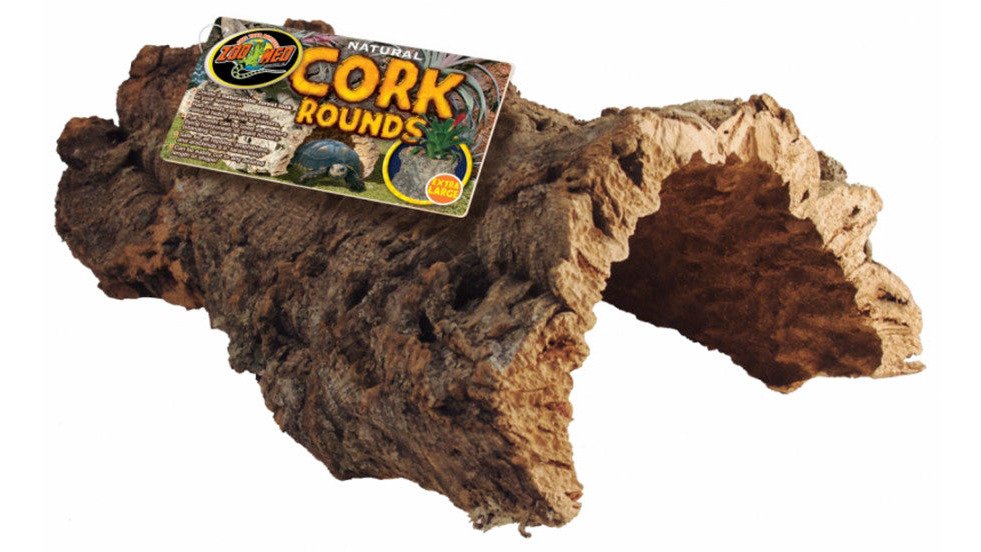
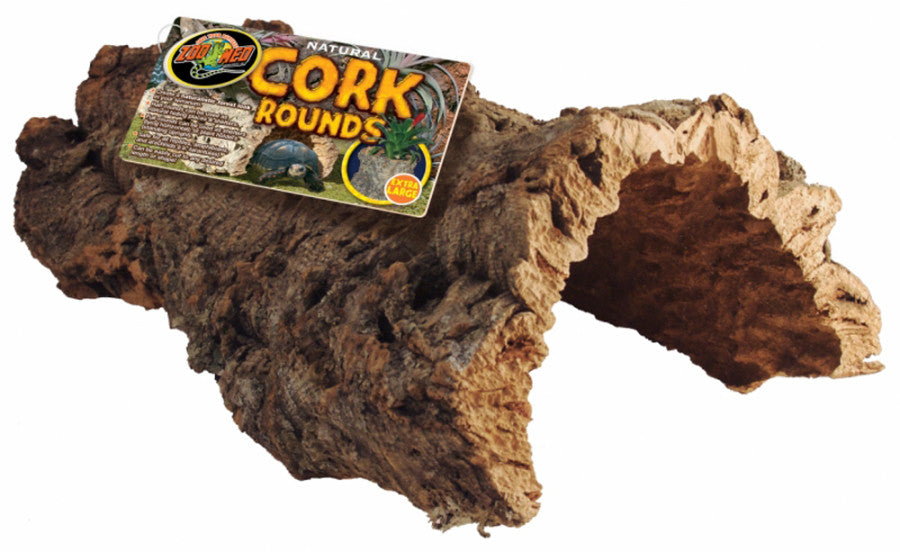
Our pick for a natural look is the Zoo Med Natural Cork Bark Round Extra Large.
For keepers who want ready-made natural shelter, the Large Lotus Head Pod Natural Isopod Hide Terrarium Decor Pod Pack and the Sweetgum Ball Isopod Hides Natural Terrarium Decor Pod Pack give small ground-dwelling animals and cleanup crews lightweight hideouts that blend into a forest-floor look.
Best for: keepers who want natural materials with zero prep work. Skip if: you need a large hide for an adult bearded dragon or similar, since pods and half-rounds run small.
Safe Wood and Rocks for Reptile Enclosures
Safe wood for a reptile enclosure is wood that hasn't been treated with pesticides, hasn't been exposed to road dust or runoff, and doesn't come from aromatic species like cedar or pine that release oils. Safe rocks are dense, stable, and free of sharp edges or loose grit. That definition is easy to state and hard to apply, because most of the risk sits in materials you collect yourself rather than materials you buy.
Assessing Collected Wood Before It Goes In
Start with species. Hardwoods such as oak, maple, and fruit woods are the usual choices because they resist rot; avoid cedar, pine, and other aromatic softwoods, whose oils are a known concern in enclosed spaces. Then look at condition.
Location matters as much as species. Wood from roadsides, fence lines, agricultural edges, and treated lumber piles carries pesticide, herbicide, and runoff risk you cannot see. A common pattern among keepers is to collect only from areas they know are unsprayed and well away from traffic, and to skip anything they cannot identify.
Cleaning and Preparing Wood and Rock
The goal is to remove loose debris and surface organisms without saturating the material. Most practitioners find a stiff brush and a rinse is enough for dense rock, followed by a full dry before it goes in.
Watch out: never bake, boil, or bleach a rock you can't identify. Porous rocks can trap moisture and split under heat, and residual bleach in porous material is difficult to rinse out completely. If you didn't buy it for the purpose, don't put it in.
Stacking and Placement Hazards
A rock pile that looks stable on the table can shift once an animal digs under it. Set heavy stones directly on the bottom of the enclosure or on a solid base rather than on loose substrate, and test each stack by pressing on it from several angles. Sharp edges, loose grit, and gaps wide enough for a limb to wedge into are the three failures to check for before the animal goes back in.
Buying Purpose-Sold Wood Removes the Guesswork
Purpose-sold wood is sold specifically for terrarium and aquarium use. Spider wood is a good example: the Zoo Med Spider Wood Small is sold for aquariums and terrariums, has spider-like limbs that climbing lizards and snakes grip well, and is low in tannins, so it won't discolor water in a paludarium. At $7.99 it's the cheapest way to add real branch structure to a small tank.
For a deeper look at pairing structure with proper lighting, our guide on how to choose reptile lighting walks through the heat and UVB side of the setup.
Safe Plants for Reptile Terrariums: Live vs Artificial
Safe plants for reptile terrariums are plants that hold up to humidity, tolerate the animal's traffic, and aren't toxic if nibbled. Whether choosing durable artificial foliage or carefully maintained live plants, keepers planning larger habitats can weigh those tradeoffs alongside the practical demands of commercial spaces with Croc Springs.
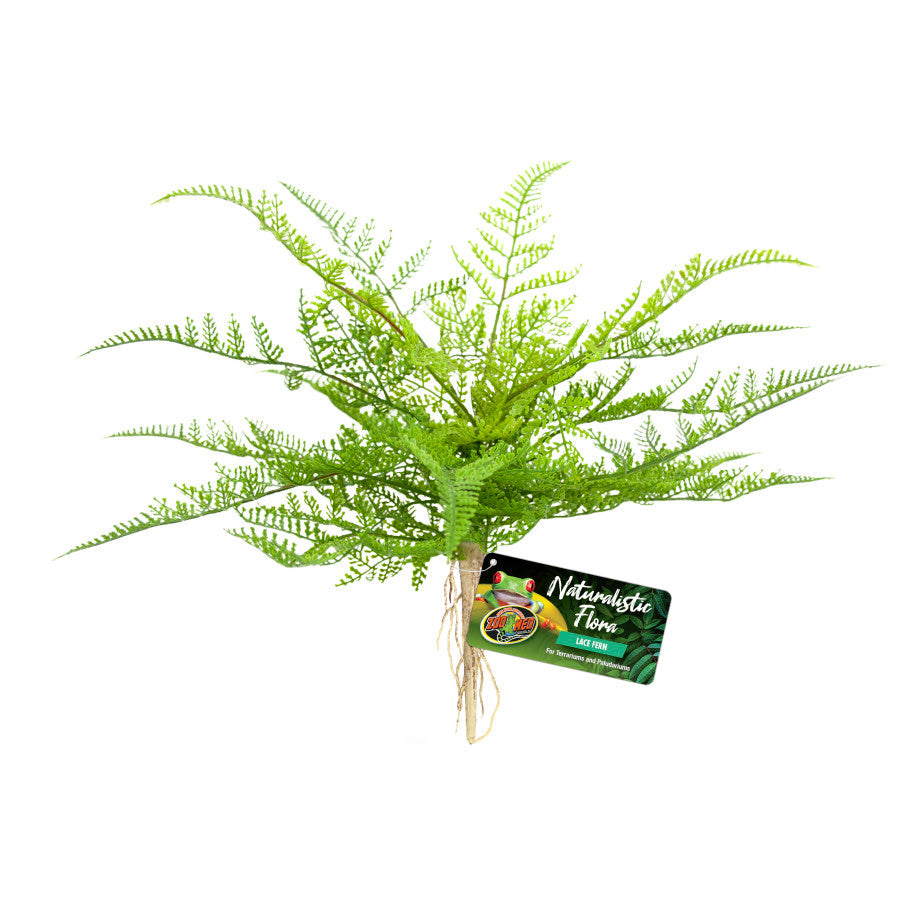
Artificial plants are an option for many keepers because they are water resistant and do not require the light and care live plants need. The Zoo Med Naturalistic Flora Lace Fern Terrarium Plant at $11.99 and the Chestnut Bromeliad at $9.99 are listed as providing privacy and shelter, and as encouraging a natural drinking response.
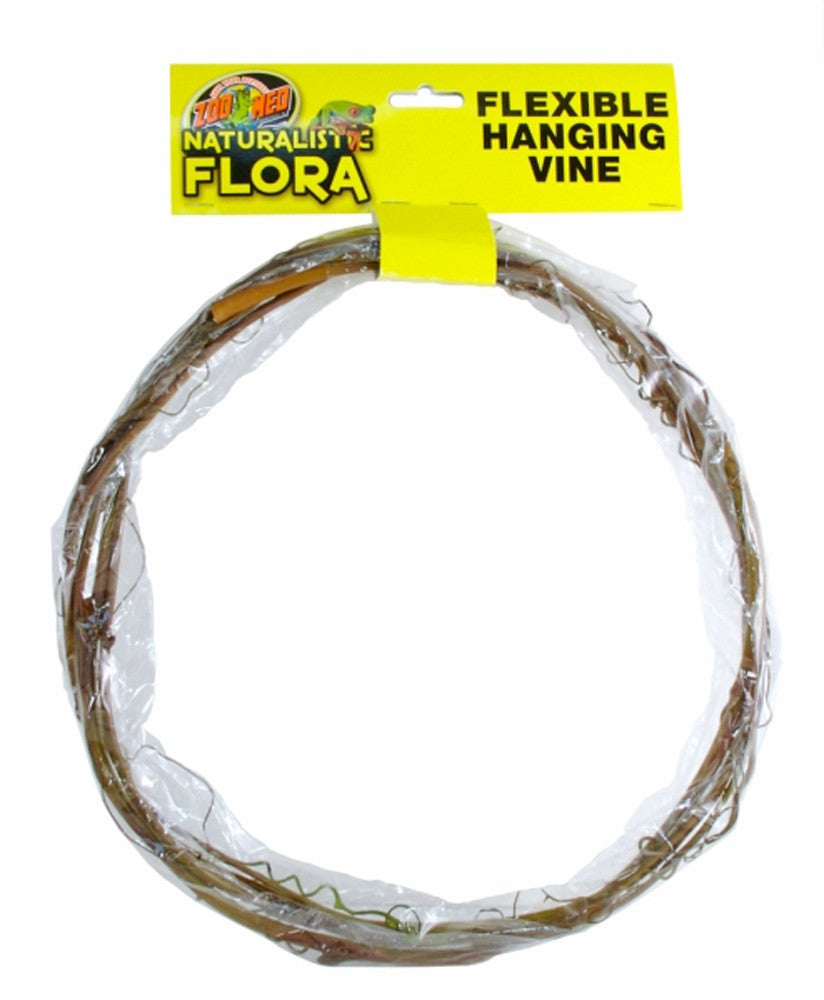
The Zoo Med Naturalistic Flora Flexible Vine at $10.99 is a tropical artificial plant for a natural forest look.
| Plant | Price | Best Use | Live or Artificial |
|---|---|---|---|
| Chestnut Bromeliad | $9.99 | Ground cover, shelter | Artificial |
| Flexible Vine | $10.99 | Climbing routes | Artificial |
| Lace Fern | $11.99 | Privacy, drinking response | Artificial |
| Tillandsia Air Plant | $13.99 | Accent, perching cover | Artificial |
| Staghorn Fern | $13.99 | Background foliage | Artificial |
Price
Chestnut Bromeliad $9.99
Flexible Vine $10.99
Lace Fern $11.99
Tillandsia Air Plant $13.99
Staghorn Fern $13.99
DIY Reptile Terrarium Decor: What You Can Build Safely
You can build safe terrarium decor from cork, untreated hardwood, and aquarium-grade silicone, and nothing else. Anything that off-gasses, flakes, or breaks down in high humidity is out.
The Zoo Med Cork Tile Background Small 12 x 12 at $13.99 and the Large 18 x 18 at $23.99 are natural cork panels for terrarium and vivarium backgrounds, precut to fit Zoo Med's Naturalistic Terrarium or cut for custom sizes, and highly resistant to mold or mildew.
A common mistake is rushing the cure.
Layout, Bioactive Setups, and Keeping Decor Clean
Layout decides whether your decor gets used. The working rule: hides on the cool side and the warm side, climbable structure in the middle, basking spot under the heat source, and open floor space left clear for movement. That rule is a starting point, not a plan, because the right arrangement depends on how the animal moves and where it spends its time.
Arranging by How the Animal Uses Space
Arboreal and semi-arboreal species need vertical routes more than floor cover, so branches and vines should connect the basking zone to a retreat at height, with overlapping limbs rather than isolated perches.
Leave a clear margin along the front glass and around the door or lid. Decor pressed against the opening makes feeding, misting, and spot cleaning harder, and it gives you nowhere to reach without dismantling the tank.
Preserving Ventilation and Usable Space
A densely packed tank looks natural and breathes poorly. Solid pieces stacked against the screen top or the vent panels trap humid air and cut airflow, which is a common cause of mold in bioactive setups. Keep the top and side vents clear, and leave gaps between large pieces so air can move through the enclosure rather than around it.
Bioactive Compatibility and Maintenance
Bioactive tanks add one more layer. The Zoo Med Creatures Leaf Litter at $5.99 is clean Catappa leaves ready to scatter over the substrate, giving ground-dwelling creatures cover and feeding the isopods that keep the tank tidy. Pair it with a substrate that supports the crew: our Premium Isopod Substrate Nutrient Rich Bioactive Terrarium Mix is built for exactly this kind of setup.
Decor interacts with that substrate in ways worth planning for. Porous cork and wood wick moisture from damp substrate and stay wet longer than they would in a dry tank, so pieces sitting directly on soil need to be checked for soft spots during routine cleaning.
A Cleaning Routine That Fits the Setup
Cleaning is simpler than most keepers expect. Spot-clean waste weekly, scrub hard surfaces with plain water, and replace leaf litter as it breaks down. Skip harsh cleaners entirely; residue lingers on porous cork and wood. In a bioactive tank, the routine shifts rather than disappears: turn decor occasionally so the damp face can dry, remove pieces that stay wet and start to soften, and refresh leaf litter before it turns to mush rather than after.
Building Your Naturalistic Setup at Walnut Creek Supply
The hardest part of a naturalistic build isn't finding decor. It's buying pieces that work together instead of a pile of items that each look good alone.
Start with one hide, one branch, and one plant. Add a background panel, then layer in leaf litter and a second hide once you see where the animal spends its time. Our reptile decor collection includes cork, spider wood, artificial flora, and substrate toppers.
Get started with Walnut Creek Supply and build a terrarium your animal actually uses, not just one that photographs well.
Frequently Asked Questions
What are some good decorations for a terrarium?
Start with items that do a job: a cork bark round as a hiding cave, spider wood or branches for climbing, and artificial plants for cover and privacy. Zoo Med's cork bark round ($29.99) works as a shelter lying flat or a plant holder standing upright, and it can be cut to length. Add leaf litter as a ground layer and a cork tile background to finish the look. Decoration that gives the animal somewhere to hide, climb, or bask beats purely ornamental pieces every time.
What plants are safe for a reptile terrarium?
Artificial plants remove the guesswork: Zoo Med's Naturalistic Flora line, including the Lace Fern ($11.99), Chestnut Bromeliad ($9.99), Tillandsia Air Plant ($13.99), and Staghorn Fern ($13.99), is water resistant and provides privacy and shelter. The listing describes them as life-like foliage that encourages a natural drinking response. If you use live plants, confirm the species is pesticide-free and appropriate for your animal before adding it, since many common houseplants are not safe for reptiles.
How many hides does a reptile need?
Most reptiles do better with at least two hides, one on the warm side of the enclosure and one on the cool side, so they can thermoregulate without leaving cover. A humid hide is also worth adding for species that need higher humidity. A large cork bark round can serve as a single hide, or you can cut it into sections to create more than one. Watch where your animal actually spends time and adjust placement rather than adding more pieces.
Can you use DIY decorations in a reptile terrarium?
Yes, with limits. Safe DIY reptile terrarium decor means untreated wood, stone that has been scrubbed and baked, and materials with no paint, varnish, or adhesive that could leach. Avoid wood collected near roads or treated lumber, and skip anything with sharp edges. Cork bark and spider wood sold for terrarium use are a simpler starting point than wood you collect yourself. If you build your own, clean and dry everything thoroughly before it goes in.


