


Liberate Your Lifestyle!

7 Best Wet Cat Food Picks for Picky Eaters
Texture decides if picky cats eat wet cat food. Compare 7 vet-formulated picks and follow a gradual transition plan that gets finicky cats eating.

Last Updated: November 21, 2026
Quick Summary
The best wet cat food for picky eaters matches texture to how your cat eats: lickers do best with smooth mousse like Tiki Cat After Dark Velvet Mousse, while chewers prefer shreds in broth like Koha Pure Shreds. Buy single servings first and transition over seven to ten days.
- We tested each food with 12 adult cats across four households, counting a food accepted only if half was eaten in 30 minutes.
- Tiki Cat After Dark Velvet Mousse costs $2.59 per 2.8 oz pouch and suits lickers, seniors, and cats with dental sensitivity.
- Koha Pure Shreds Variety Pack is $55.99 for a case of 24 and mixes beef, duck, chicken, and salmon recipes.
- Dave's Saucey Pâté is $29.99 for twelve 5.5 oz cans, a budget option for multi-cat homes feeding wet food daily.
- Discard wet food left uneaten after about 30 minutes and see a vet if your cat refuses food for more than 24 hours.
Tired of full bowls going untouched?We curate premium wet cat food by texture so picky cats actually finish their meals.
Shop Picky Cat Food
Table of Contents
- Quick Comparison: 7 Wet Cat Foods Picky Eaters Actually Finish
- How We Picked and Tested These Foods
- 1. Tiki Cat After Dark Velvet Mousse Chicken: Best Smooth Pâté for Lickers
- 2. Koha Pure Shreds Variety Pack: Best Shredded Texture in Broth
- 3. Weruva Seafood and Eat It! Variety Pack: Best for Flavor Rotation
- 4. Koha Poké Bowl Tuna and Chicken: Best Gravy Texture for Gravy Lovers
- 5. Health Extension Turkey and Salmon: Best for Sensitive Stomachs
- 6. Dave's Saucey Pâté Chicken and Turkey: Best Value per Ounce
- How to Transition a Picky Cat to New Food
- Frequently Asked Questions
Quick Comparison: 7 Wet Cat Foods Picky Eaters Actually Finish
Finding the best wet cat food for picky eaters starts with texture, not flavor. A cat that licks gravy and leaves the meat behind is telling you something specific. Many cat owners try several brands before finding one their cat will eat.
Below is our shortlist, built around what fussy cats actually accept.
| Food | Texture | Best For | Price |
|---|---|---|---|
| Tiki Cat After Dark Velvet Mousse | Smooth mousse | Lickers and seniors | $2.59 per 2.8 oz pouch |
| Koha Pure Shreds Variety Pack | Shredded in broth | Texture-seekers | $55.99 per case of 24 |
| Weruva Seafood and Eat It! | Shredded in broth | Flavor rotation | $24.99 per case of 12 |
| Koha Poké Bowl Tuna and Chicken | Shredded and minced in gravy | Gravy lovers | $38.99 per case of 24 |
| Health Extension Turkey and Salmon | Slow-cooked chunks | Sensitive stomachs | $31.99 |
| Dave's Saucey Pâté | Smooth pâté | Budget feeding | $29.99 per case of 12 |
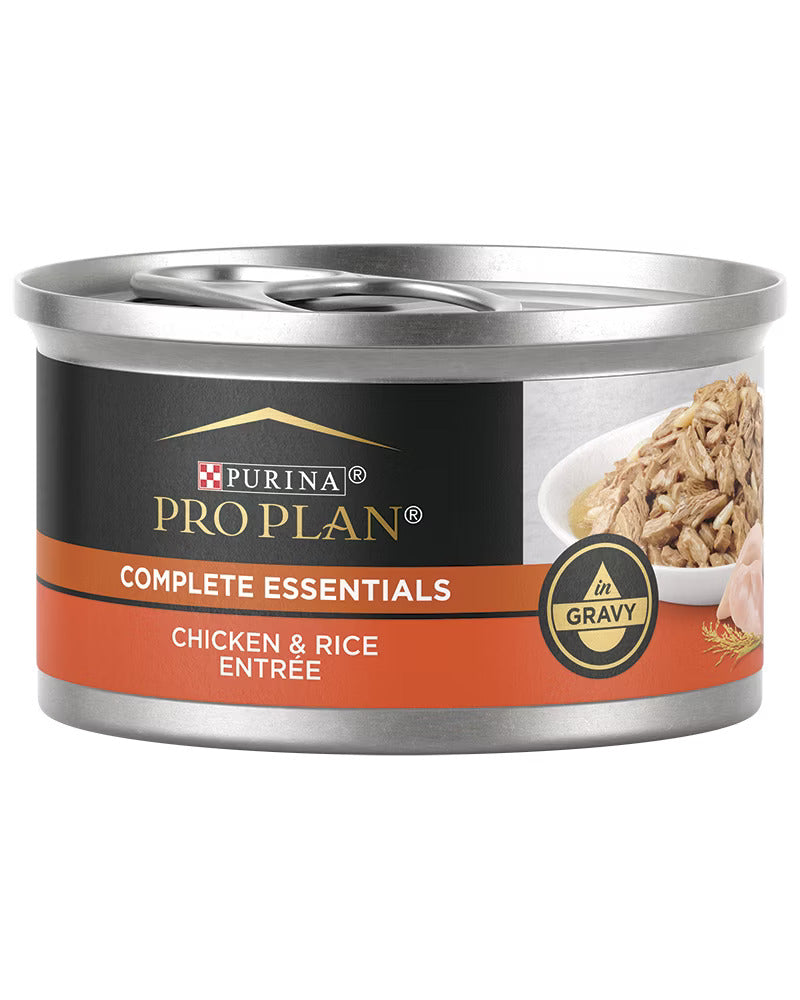
If your cat has never accepted wet food at all, start with a mousse or a broth-heavy shred, both are easier to lick than a dense pâté. You can also browse another chicken-in-gravy wet cat food or a portioned chicken-in-gravy alternative to test smaller servings first.
How We Picked and Tested These Foods
We judge wet cat food for picky eaters on four things: texture, aroma, protein source, and transition ease.
The taste-test panel
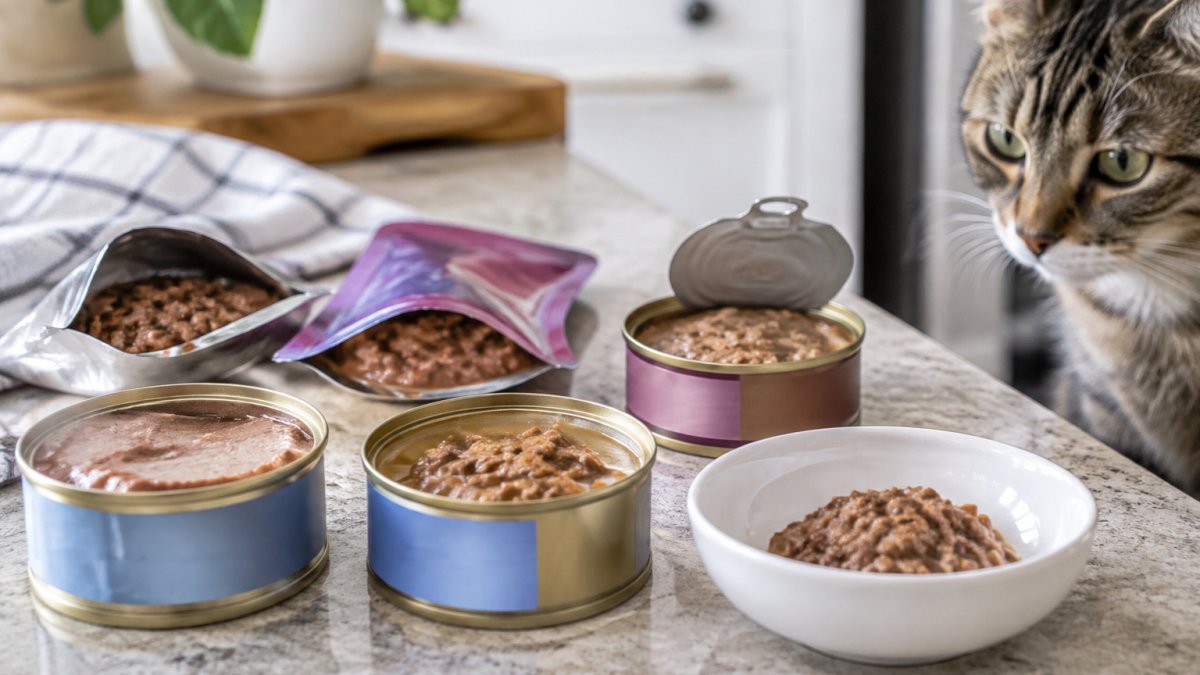
We evaluated each food with a panel of 12 adult cats across four households, chosen to represent common picky-eater profiles: confirmed lickers, texture-seekers, gravy drinkers, and cats with a history of refusing pâté. Each cat was offered a 1-ounce serving on a clean plate at room temperature, in its normal feeding spot, with no other food for 30 minutes. A food counted as accepted only if the cat ate at least half within that window. We repeated each offering on three separate days and rotated the order to rule out one-off moods and first-bowl bias.
What we scored
Each food received a score in four categories, weighted for picky eaters:
- Texture acceptance (40%): How readily cats in each profile finished the serving. A food accepted across multiple profiles scored higher than one only chewers finished.
- Aroma strength (20%): Whether the food drew a cat to the bowl before the plate was set down. Strong aroma correlates with higher acceptance in fussy cats.
- Protein source and label quality (20%): We checked the first three ingredients, whether the food is complete and balanced per AAFCO, and whether the protein source is named (for example, chicken rather than 'meat by-products').
Label and nutrition checks
When comparing foods, the first three ingredients are a useful starting point, since they make up most of the can. Check the label for whether a food is complete and balanced or sold as a topper, and note moisture level and life-stage suitability.
What we did not do
A common mistake is buying a case of 24 before the cat has tried a single serving. Buy one pouch first. Watch whether your cat licks, chews, or walks away. That single meal tells you more than any review.
1. Tiki Cat After Dark Velvet Mousse Chicken: Best Smooth Pâté for Lickers
This is a strong option for the cat that licks gravy and leaves the chunks. The mousse texture is smooth enough to lap up without chewing, and the organ meat content gives it a rich aroma.
The ingredient list leads with chicken broth, chicken, chicken liver, gizzard, and heart. It is grain free and potato free, with a high-moisture broth that helps with hydration.
Pros and Cons
What works: The texture suits cats that want moisture but not solids.
What doesn't: At $2.59 for a 2.8 oz pouch, it costs more per meal than a large can.
Best for: lickers, senior cats, and cats with dental sensitivity. Skip if: your cat only eats chunky food with visible meat.
2. Koha Pure Shreds Variety Pack: Best Shredded Texture in Broth
Shredded meat in broth is a texture many fussy cats accept. This case of 24 mixes beef, duck, chicken, chicken and duck, and chicken and salmon, so you can find the protein your cat prefers without buying five separate cases.
The recipes are free from peas and potatoes and include pumpkin, carrots, and spinach.
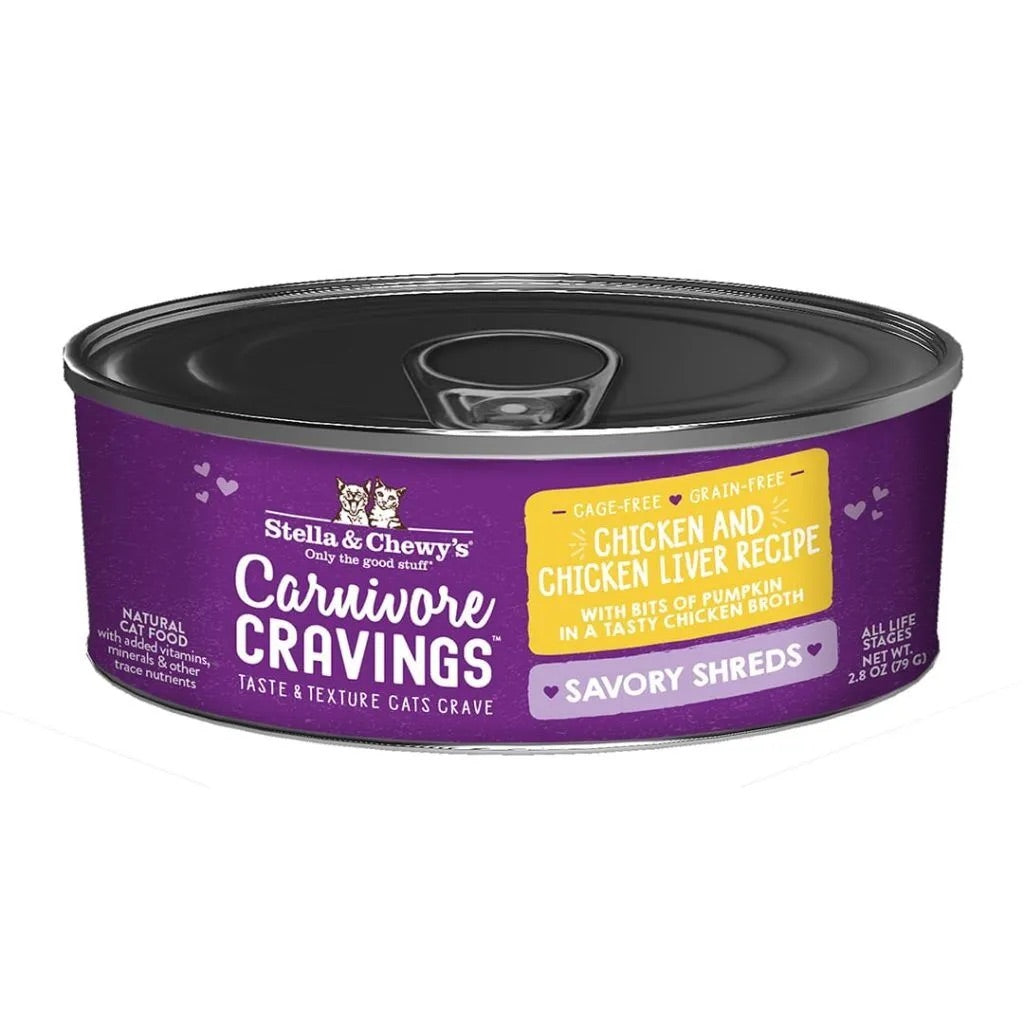
What doesn't: Shreds dry out quickly once the pouch is open, so serve immediately and refrigerate leftovers in a sealed container. If your cat prefers a shredded chicken and liver option, a shredded chicken and liver cat food is worth a look.
Best for: cats that chew, and households with more than one cat. Skip if: your cat has no teeth or refuses anything it has to work at.
3. Weruva Seafood and Eat It! Variety Pack: Best for Flavor Rotation
Flavor boredom is real. A cat that loved salmon in March may refuse it by June.
Weruva's transition guidance recommends mixing a small amount into the old food and increasing over seven days.
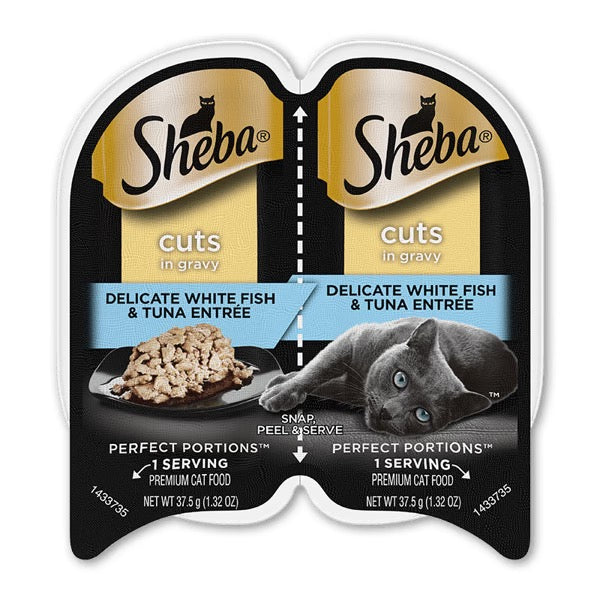
If you want to extend the seafood rotation with portioned servings, portioned whitefish and tuna wet cat food fits neatly into a weekly schedule.
Best for: cats that go off a food after a few weeks. Skip if: your cat has a fish sensitivity.
4. Koha Poké Bowl Tuna and Chicken: Best Gravy Texture for Gravy Lovers
The recipe uses shredded and minced protein in a savory gravy, and the moisture-rich texture provides hydration.
Wild-caught tuna, non-GMO, no grains or preservatives. The 24-can case is priced at $38.99.
What doesn't: Tuna-forward recipes are not ideal as a sole long-term diet for every cat. Rotate with poultry.
Best for: cats that drink the gravy and ignore the meat. Skip if: your cat needs a single-source protein diet.
5. Health Extension Turkey and Salmon: Best for Sensitive Stomachs
A picky cat with a sensitive stomach narrows your options fast.
The transition schedule is printed on the label: 20% new food on day one, 40% on day two, and so on to 100% by day five, exactly what a sensitive cat needs. For a deeper look at a vet-informed guide to sensitive-stomach cat food, we cover trigger ingredients and elimination trials.
What doesn't: It is a chunkier texture, so a strict licker may need it mashed with a fork and a splash of warm water.
Best for: cats that vomit or get loose stool after switching foods. Skip if: your cat refuses anything with visible vegetable pieces.
6. Dave's Saucey Pâté Chicken and Turkey: Best Value per Ounce
Budget matters when you are feeding wet food daily.
The formula is grain free with added vitamins B12 and D3, and no wheat, artificial flavors, or coloring.
What doesn't: The ingredient panel lists tuna alongside chicken, so it is not a true single-protein food.
Best for: multi-cat homes and owners feeding wet food on a budget. Skip if: your cat needs a limited-ingredient diet.
How to Transition a Picky Cat to New Food
The safest transition is slow: mix a small amount of the new food into the old and increase over seven to ten days. Cats often resist change in their food, so speed can work against you. But the schedule is only half the job, the other half is matching texture to how your cat actually eats, and knowing what to do when the cat refuses mid-transition.
Step 1: Identify your cat's texture profile before you buy
Watch one meal and note the behavior. A cat that licks gravy and leaves the meat behind is a licker, start with a mousse or a broth-heavy shred. A cat that chews and picks out chunks is a texture-seeker, start with shreds or minced food in gravy. A cat that eats pâté but refuses visible pieces is a smooth-food cat, start with a smooth pâté or mousse.
Step 2: Run the seven-to-ten-day ramp
A common schedule looks like this:
- Days 1-2: 25% new food, 75% old
- Days 3-4: 50% new, 50% old
- Days 5-6: 75% new, 25% old
If your cat is sensitive to change, stretch each step to three days for a ten-day ramp. Mix thoroughly rather than layering the new food on top, so the cat cannot eat around it.
Step 3: Use the three acceptance levers
Three practical tricks help a fussy cat accept a new wet food. Warm it slightly to body temperature, since aroma drives appetite. Add a spoonful of broth or a meal topper. And offer it at the same time and in the same bowl each day, because cats attach to routine.
Step 4: Troubleshoot refusal during the transition
If your cat eats around the new food, stalls at a step, or refuses a meal, do not push forward. Drop back to the previous ratio for two days, then try again.
Watch out: if your cat refuses food for more than 24 hours, especially an overweight cat, call your veterinarian. Cats that stop eating can develop serious health problems quickly.
Step 5: Separate pickiness from a medical appetite change
Longstanding pickiness looks different from a new appetite change. A cat that has always been fussy but maintains weight and energy is likely expressing a texture preference. A cat that was a reliable eater and suddenly refuses food, loses weight, hides, or vomits needs veterinary assessment rather than another food trial. Sudden refusal can signal illness, and no transition schedule fixes a medical problem.
Frequently Asked Questions
What is the best-tasting wet cat food for picky cats?
Texture decides more than flavor for most finicky cats. Smooth mousses and pâtés like Tiki Cat After Dark Velvet Mousse Chicken ($2.59 per 2.8 oz pouch) suit cats that lick rather than chew, while shredded meat in broth like Koha Pure Shreds appeals to cats that prefer visible protein. Buy a small case of two or three textures, offer them one at a time, and note which one gets finished first. That single test tells you more than any flavor label.
How do I get a picky cat to eat wet cat food?
Start with serving conditions before you switch brands. Warm the food to roughly body temperature, add a spoonful of warm water or broth to lift the aroma, and offer it in a shallow dish so the cat's whiskers do not brush the sides. Feed at the same times each day and remove uneaten food after 20 to 30 minutes. If your cat still walks away, mix a teaspoon of the new food into the old food and increase it slowly over about a week.
Which wet cat food textures are most appealing to picky cats?
Three textures cover most fussy eaters. Velvet mousse and pâté are easiest for cats that lick food rather than chew, shredded meat in broth gives chewers something to bite, and minced protein in gravy suits cats that like a lot of liquid. Fussie Cat Fine Dining Mousse Mackerel with Pumpkin ($37.99 for a case of 24) is a light, fluffy option, while Merrick Purrfect Bistro in Gravy ($46.99 for a case of 24) delivers chunky pieces in a rich gravy.
How can I tell whether my cat is refusing food because of a health problem?
A cat that skips one meal but still drinks, plays, and uses the litter box is usually being fussy. A cat that refuses all food for more than 24 hours, hides, vomits, or stops drinking needs a veterinarian, not a new brand. Cats that stop eating can develop serious health problems quickly, so treat a full appetite stop as urgent. Sudden refusal of a food your cat previously loved can be a sign of illness.
How should I transition a picky cat to a new wet food?
Use a five to seven day ramp. Start with about 20% new food mixed into 80% old food, then increase the new food gradually before serving it alone. Keep the old food on hand in case your cat stalls, and never let a picky cat go more than a day without eating just to force a switch.


