


Liberate Your Lifestyle!

What Are the Best Limited Ingredient Dog Foods for Allergies?
A limited ingredient dog food for allergies pairs one novel protein with one easy carb. Compare five dry foods and learn to run a clean elimination trial.

Last Updated: November 23, 2026
Quick Summary
A limited ingredient dog food for allergies is built around a single animal protein your dog has never eaten, paired with one easily digested carbohydrate. Five dry foods meet that bar: Wellness Simple Salmon & Potato, Grandma Mae's LID Whitefish Meal, Go! Sensitivities Turkey, Go! Sensitivities Lamb, and Earthborn Holistic Venture Pollock & Pumpkin. None of them diagnose anything; each is only a starting point for a vet-guided elimination trial.
- Wellness Simple Salmon & Potato costs $114.99 for a 24 lb bag and suits first-time elimination trials.
- Grandma Mae's LID Whitefish Meal is chicken-free, with over 70% of protein from animal sources.
- Go! Sensitivities Turkey is labeled for puppies, adults, and senior dogs in multi-age households.
- Earthborn Holistic Venture Pollock & Pumpkin is best for dogs that already tried salmon and whitefish.
- During a trial, feed one food only and check every medication for animal proteins or flavorings.
Which limited ingredient food fits your dog?Compare single-protein dry dog foods and find a clean starting point for a food trial.
Shop Limited Ingredient Dog Food
Table of Contents
- What are the best limited ingredient dog foods for allergies?
- Comparison Table: Five Limited Ingredient Dog Foods
- Dog Food Allergy Symptoms: Itching, Paw Licking, and Stomach Upset
- How to Read Dog Food Labels for Allergens
- Novel Protein Dog Food for Allergies: Duck, Whitefish, and Pollock
- The Best Dry Dog Food for Skin Allergies: Five Picks Reviewed
- The Elimination Trial: How Vets Confirm a Dietary Trigger
- Picking Your First Bag at Walnut Creek Supply
- Frequently Asked Questions
What are the best limited ingredient dog foods for allergies?
A limited ingredient dog food for allergies is typically built around a single animal protein your dog has never eaten, paired with one easily digested carbohydrate. The five dry foods below each meet that bar.
A quick definition helps here. A limited ingredient diet is a dog food formulated with a short ingredient list and a single primary animal protein source, designed to reduce the number of potential dietary triggers a dog is exposed to.
That distinction matters because a limited ingredient dog food is not a medicine. It is a tool for narrowing exposure, and it only works when a veterinarian guides the process. Below, we compare five formulas side by side, explain what dog food allergy symptoms actually look like, and walk through the elimination trial that confirms a trigger.
Comparison Table: Five Limited Ingredient Dog Foods
Here are five formulas, compared on the criteria that matter most when you are shopping for a dog with suspected sensitivities.
| Product | Primary Protein | Grain | Size | Price | Best For |
|---|---|---|---|---|---|
| Wellness Simple Salmon & Potato | Salmon | Grain-inclusive | 24 lb | $114.99 | First-time elimination trials |
| Grandma Mae's LID Whitefish Meal | Whitefish meal | Grain-free | 23 lb | $83.99 | Chicken-allergic dogs on a budget |
| Go! Sensitivities Turkey | Cage-free turkey | Grain-free | 22 lb | $95.99 | Puppies through seniors |
| Go! Sensitivities Lamb | Grass-fed lamb | Grain-free | 22 lb | $108.99 | Sensitive stomachs |
| Earthborn Holistic Venture Pollock & Pumpkin | Alaska pollock meal | Grain-free | 25 lb | $87.99 | Skin and coat support |
Price
Wellness Simple Salmon & Potato $114.99
Grandma Mae's LID Whitefish Meal $83.99
Go! Sensitivities Turkey $95.99
Go! Sensitivities Lamb $108.99
Earthborn Holistic Venture Pollock & Pumpkin $87.99
Every formula here lists one primary animal protein. None of them diagnose anything. What they can offer is a starting point for a food trial, and the table above lets you compare them quickly.
Dog Food Allergy Symptoms: Itching, Paw Licking, and Stomach Upset
Dog food allergy symptoms show up as itchy skin, paw licking, recurring ear infections, and digestive upset such as loose stool or gas. The tricky part is that these same signs appear with environmental allergies, parasites, and seasonal flare-ups, so itching alone never confirms a food problem.
Watch for the pattern rather than the symptom. A dietary trigger tends to cause year-round itching rather than seasonal flare-ups, and it often shows up alongside digestive signs. Dogs with sensitive skin may chew at their paws and rub their faces on carpet. Dogs with a sensitive stomach may produce soft stool, vomit occasionally, or scoot.
Here is where most owners go wrong: they switch foods the moment itching starts, without a baseline. Without a record of what the dog was eating and when symptoms appeared, you learn nothing from the switch. Keep a simple log for two weeks before you change anything, noting food, treats, and symptom severity.
How to Read Dog Food Labels for Allergens
Reading a dog food label for allergens means checking four things: the first ingredient, the full ingredient list, the fat source, and the cross-contamination or "made in a facility" statement. The first ingredient tells you the primary protein source. The full list tells you whether a second animal protein sneaks in further down. The fat source matters because some formulas use chicken fat in a fish-based recipe. And the facility statement tells you whether the food was made on equipment shared with other proteins, a detail most guides skip but one that can matter during a strict elimination trial.
Look for these red flags:
- Multiple animal proteins listed separately, such as chicken meal plus fish meal, which muddies a food trial
- Split carbohydrate sources that hide how much grain or potato is actually in the bag
- Fat sources from another animal, since some formulas use chicken fat in a fish-based recipe
- Vague terms like "meat meal" or "animal digest" that do not name the species
- Shared-equipment language such as "made in a facility that also processes chicken," which signals cross-contamination risk
A food can be labeled "salmon recipe" and still contain chicken fat, so it is worth reading the full ingredient list. The same logic applies to shared manufacturing lines: a bag that says "made in a facility that also processes chicken" may carry trace amounts of chicken protein, which is enough to affect a sensitive dog during a trial.
Protein sourcing is another label detail worth checking. If you want a deeper walkthrough of decoding ingredient panels, our guide on how to read dog food labels breaks down every line on the bag.

Novel Protein Dog Food for Allergies: Duck, Whitefish, and Pollock
Novel protein dog food for allergies relies on a protein source the dog has not eaten before, which gives the immune system nothing familiar to react to. Duck, whitefish, pollock, and salmon are common choices because most dogs have limited exposure to them.
The logic is straightforward. If a dog has eaten chicken kibble for years, chicken is a known quantity and a possible trigger. A protein the dog has never encountered is a cleaner test. That is why the Grandma Mae's Country Naturals Grain Free LID Whitefish Meal is one option for chicken-sensitive dogs.
Duck is another strong option. Duck meal is another protein source that some owners consider. Pollock rounds out the category for dogs that have already tried salmon or whitefish without improvement. Because treats can introduce proteins just as meals do, keep them aligned with the same rotation strategy, and Pet Bakery offers another place to explore allergy-conscious options.
The Best Dry Dog Food for Skin Allergies: Five Picks Reviewed
The best dry dog food for skin allergies combines a single novel animal protein with omega fatty acids and a short ingredient list.
1. Wellness Simple Salmon & Potato, $114.99. Single-source salmon, potatoes, and no wheat, corn, dairy, or eggs. It is grain-inclusive.
**2.
3. Go! Sensitivities Turkey, $95.99. Cage-free turkey as a single poultry protein, with omega fatty acids for skin and coat.
4. Go! Sensitivities Lamb, $108.99. Grass-fed lamb with prebiotic fiber for sensitive stomachs. Best for: dogs with digestive upset alongside skin irritation. Skip if: lamb is already a staple in your dog's diet.
5. Earthborn Holistic Venture Pollock & Pumpkin, $87.99. Wild-caught pollock meal with pumpkin for fiber.
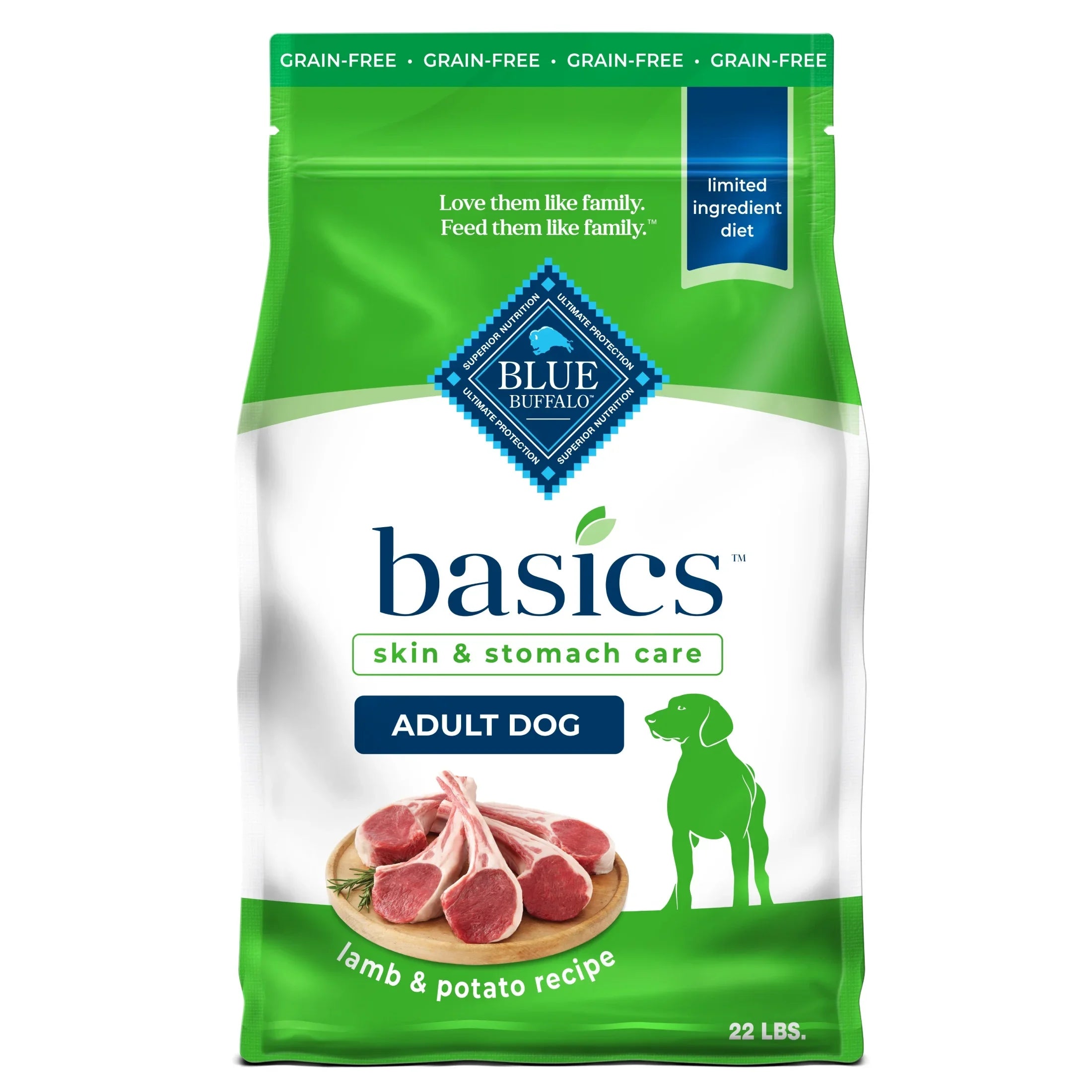
You can shop the Blue Buffalo Basics salmon and potato formula as a sixth option if you want a grain-inclusive bag under $80.
The Elimination Trial: How Vets Confirm a Dietary Trigger
An elimination trial is the only reliable way to confirm a food allergy, and it works by feeding one novel-protein diet exclusively for a set period while tracking symptoms. Veterinary guidance often describes a trial of several weeks, and your veterinarian can advise on the appropriate length.
The rules are strict for a reason:
- One food only. No table scraps, no flavored medications, no other treats unless your vet approves them. A single piece of chicken jerky can reset the clock.
- Check every medication. Chewable heartworm preventives, flavored antibiotics, and joint supplements often contain animal proteins or flavorings that can interfere with a trial. Ask your vet for non-flavored or injectable alternatives during the trial window.
- Transition gradually. Mix the new food in over about a week to avoid digestive upset that muddies your results.
- Log everything. Note stool quality, itching, paw licking, and ear redness daily. A simple 1-to-5 severity score for each sign makes patterns easier to spot than free-text notes.
- Reintroduce deliberately. If symptoms clear, your vet may have you add the old food back for one to two weeks to confirm the trigger. If symptoms return, you have your answer; if they do not, the original problem may not have been food-related.
A "limited ingredient" bag is not automatically hypoallergenic. Ask your vet before you start, and read the label statement about shared facilities.
A common pattern is that owners switch foods casually, see improvement, and assume they have found the trigger, but without a reintroduction step, they cannot tell whether the improvement came from the new food, a seasonal change, or something else entirely.
Picking Your First Bag at Walnut Creek Supply
Choosing your first bag comes down to one question: which protein has your dog never eaten? Start there, then match the format and life stage to your household. We are a family-owned, USA-based shop.
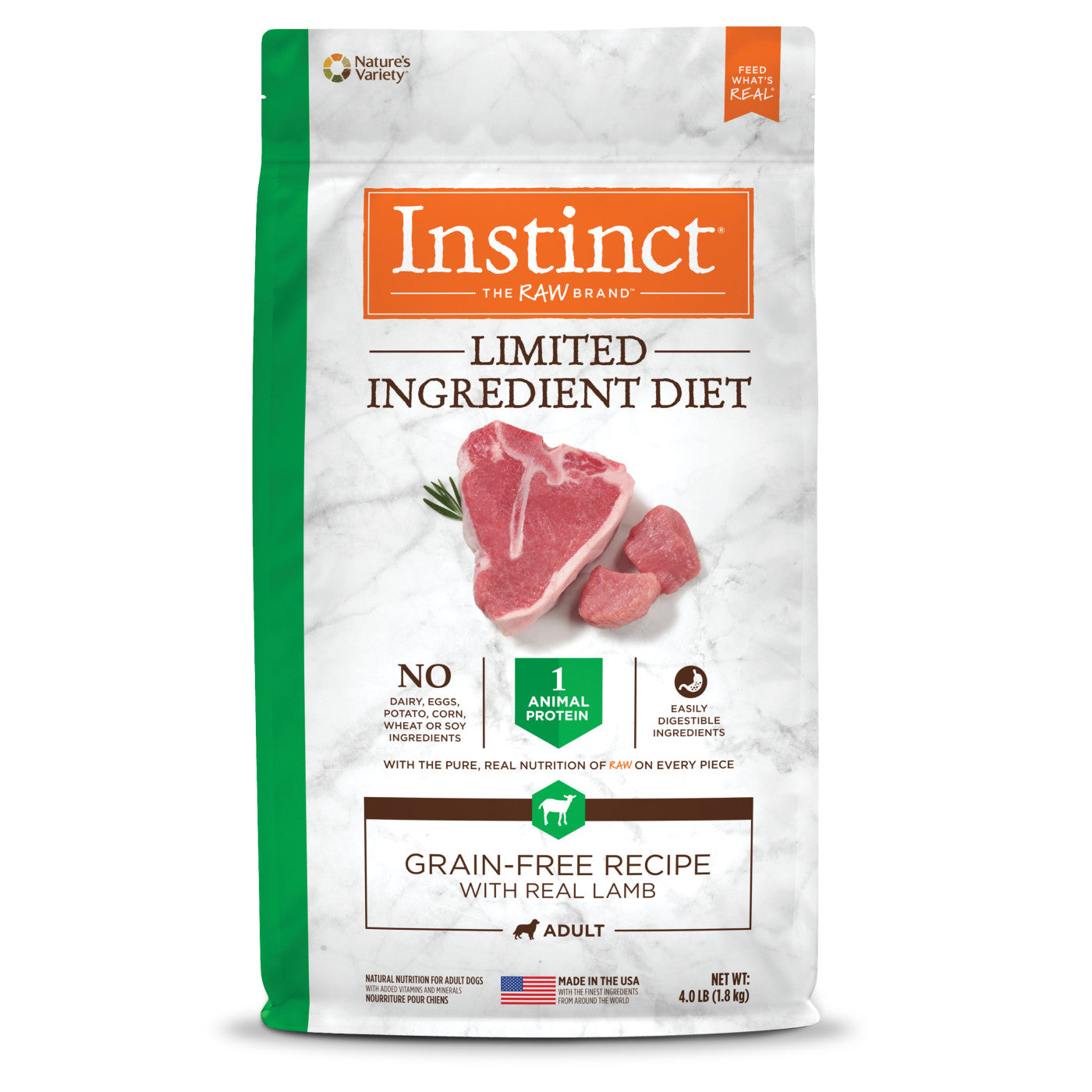
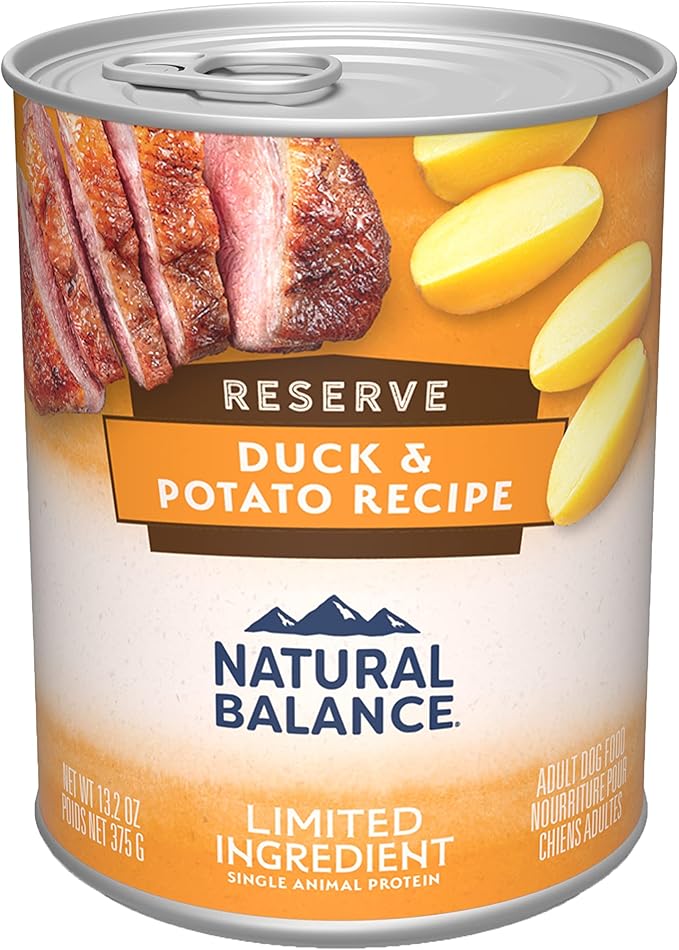
The Wellness Simple Salmon & Potato and the Grandma Mae's whitefish recipe are two options to consider for a first trial. If you want to start with a lamb formula, you can buy the Instinct limited ingredient lamb dry dog food as a grain-free alternative, or browse our full range of limited ingredient duck and potato canned food if your dog prefers wet food.
A dog with itchy skin and a sensitive stomach deserves a food you can actually trace. Walnut Creek Supply curates limited ingredient formulas with short ingredient lists, single animal proteins, and clear labeling, backed by educational guidance so you can run a food trial with confidence. Get started with Walnut Creek Supply and find the right bag for your dog's next trial.
Frequently Asked Questions
Can limited ingredient dog food help with food allergies?
It can help you identify what is triggering the reaction, but it does not treat allergies on its own. A limited ingredient diet narrows the number of proteins and carbohydrates your dog eats, which makes it easier to spot a problem ingredient during a food trial. Most veterinary dermatologists recommend a guided trial of 8 to 12 weeks with strict rules about treats and table scraps. If itching or digestive signs improve, you have a strong clue about the trigger. Always run the plan with your veterinarian, since some dogs need a prescription hydrolyzed protein diet instead.
How long does it take to tell whether a new dog food is helping an allergy?
Plan on 8 to 12 weeks for a full food trial. Skin and coat changes move slowly because the skin cycle takes weeks to turn over, so paw licking or itchy skin may not improve in the first month even when the diet is working. Digestive signs like loose stool often settle sooner, sometimes within two to three weeks. Keep a simple daily log of scratching, paw licking, and stool quality so you and your vet can judge progress with real observations instead of memory.
What are the top food allergens for dogs?
Beef, chicken, dairy, wheat, and lamb show up most often in veterinary allergy literature, though any protein can trigger a reaction in an individual dog. That is why a novel protein dog food for allergies often uses duck, whitefish, pollock, or salmon, proteins a dog may not have eaten before. The goal is not a universally hypoallergenic ingredient but one your specific dog has not been exposed to. A dog already fed fish-based food for years may react to fish just as easily as to chicken.
How do I choose a limited ingredient diet for my dog?
Start with the protein your dog has eaten least, then check the label for a single named animal protein and a short ingredient list. Confirm the food is complete and balanced for your dog's life stage, and compare guaranteed analysis numbers like crude protein and fat. Cross-check the price per pound across bag sizes. Buy the smallest bag first, transition over seven to ten days, and keep treats and chews on the same protein so the trial stays clean.


